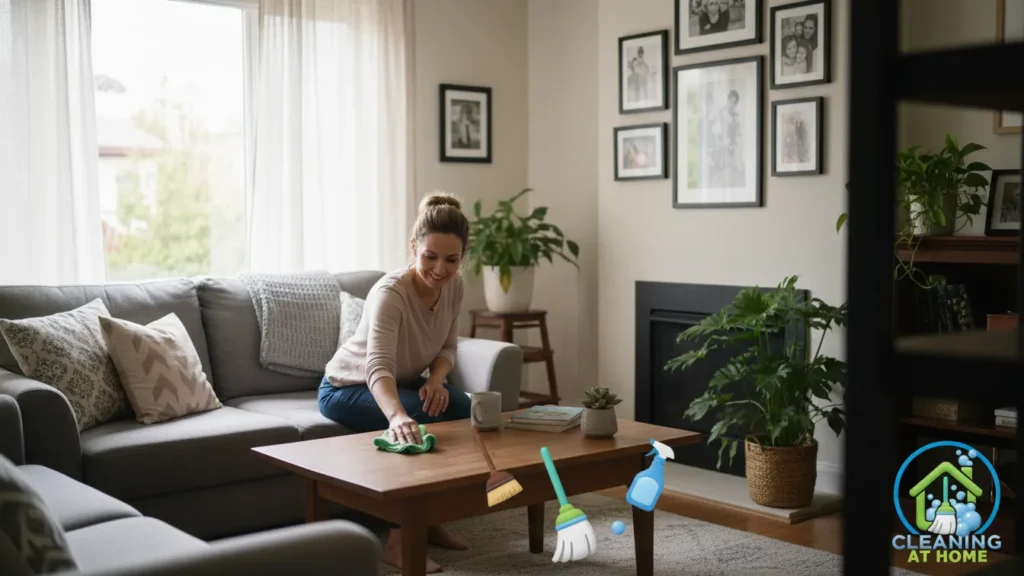

Why Busy People Need a Different Cleaning Routine
Busy people often struggle with traditional cleaning routines because those routines are usually designed for ideal schedules, not real life. Long task lists, rigid plans, and expectations of daily perfection don’t match the reality of work deadlines, commuting, family responsibilities, and limited energy. This mismatch is why a different approach to cleaning is necessary.
A routine for busy people needs to focus on function over appearance. The goal is not a spotless home, but a home that works. When time is limited, cleaning should support daily life instead of competing with it. A realistic routine helps prevent mess from becoming overwhelming without demanding hours of effort.
Another reason busy people need a different routine is mental load. Decision fatigue is common when schedules are full. A cleaning routine that requires constant planning or motivation often gets skipped. Simple, repeatable actions reduce the need to think and make it easier to start, even on exhausting days.
Busy schedules are also unpredictable. Meetings run late, children get sick, and plans change. A flexible cleaning routine adapts to these shifts. Instead of failing when the day goes off track, it allows for shorter efforts that still make a difference.
Most importantly, a routine designed for busy people prioritizes sustainability. It accepts that some days will be messy and that consistency matters more than intensity. By focusing on small, high-impact actions, busy people can maintain a functional home without sacrificing rest, family time, or personal well-being.
A different cleaning routine isn’t about doing more—it’s about doing what makes sense. When cleaning fits into real schedules, it becomes easier to maintain over time, even during the busiest seasons of life.

What “Busy” Really Means in Daily Life
When we say someone is “busy,” it often sounds vague, but in daily life it usually means juggling multiple responsibilities with limited time and energy. Being busy isn’t only about long work hours. It can include commuting, caring for children or relatives, managing a household, and trying to find moments for rest. Cleaning routines that ignore this reality tend to feel unrealistic.
For busy people, time is often fragmented. Instead of long, uninterrupted blocks, the day is made up of short windows between tasks. This makes traditional cleaning advice—like spending an hour every day—hard to follow. A realistic routine needs to work within these small pockets of time.
Being busy also means carrying a heavy mental load. Remembering appointments, deadlines, meals, and responsibilities takes energy. When cleaning adds more decisions—what to clean, when, and how—it often gets pushed aside. Simple routines that remove choice make cleaning easier to start, even on exhausting days.
Another important part of being busy is unpredictability. Plans change, emergencies come up, and energy levels fluctuate. A routine designed for busy life must allow for flexibility. Some days you may clean more; other days, you may do very little. Both are normal.
Understanding what “busy” really means helps set realistic expectations. It’s not about doing everything—it’s about doing enough to keep the home functional. When cleaning routines respect real schedules and real limits, they become supportive rather than stressful, making them easier to maintain over time.
How Much Time Busy People Can Realistically Clean
For busy people, the biggest obstacle to keeping a cleaning routine is time—or the lack of it. Many cleaning plans fail because they assume large blocks of free time that simply don’t exist in everyday life. A realistic routine starts by acknowledging how much time busy people can actually give to cleaning on a daily basis.
In most cases, busy people can realistically clean for 5 to 15 minutes a day. This may not sound like much, but when used intentionally, it’s often enough to keep a home functional. Short cleaning sessions fit more easily between work, family responsibilities, and personal needs, making them far more likely to happen consistently.
It’s also important to understand that available time changes from day to day. Some days may allow for a full 15-minute reset, while other days only offer a few minutes. A realistic routine accepts this variation instead of treating it as a failure. Even small efforts help prevent mess from piling up.
Another key factor is energy, not just time. After long workdays or busy schedules, mental and physical energy may be low. Short routines respect this reality. Tasks that are quick and familiar require less effort and are easier to repeat, even when motivation is low.
Busy people benefit from viewing cleaning as maintenance, not transformation. The goal is not to make the house look perfect every day, but to keep it usable and manageable. By working within realistic time limits, cleaning becomes less stressful and more sustainable.
When routines are built around the time people truly have, they stop feeling like an extra burden. Instead, they become small, supportive habits that fit naturally into busy lives—making consistency possible even during demanding seasons.

The Most Important Daily Cleaning Tasks for Busy People
When time and energy are limited, busy people need to be selective about daily cleaning tasks. Not everything deserves attention every day, and trying to do too much often leads to burnout or inconsistency. The most important daily tasks are those that keep the home functional, not perfect.
One essential task for many busy households is managing dishes. Clearing the sink, loading the dishwasher, or washing a small batch of dishes prevents the kitchen from becoming overwhelming. Because the kitchen is used multiple times a day, keeping it functional has an immediate impact on daily life.
Another high-priority task is clearing visible clutter in shared spaces. Items left on tables, counters, or sofas create visual noise and make spaces feel chaotic. Taking a few minutes to return items to their usual places can instantly improve how a room feels, even if nothing else is cleaned.
Trash and recycling are also important daily tasks. Taking out the trash when it’s full or collecting obvious waste prevents odors and keeps the home feeling fresh. This task is quick but often overlooked when schedules are tight.
For some households, a light bathroom reset may also matter. A quick sink rinse or wipe keeps the space usable without requiring a full clean. This is especially helpful in homes where bathrooms are used frequently throughout the day.
The key for busy people is choosing tasks that deliver the biggest benefit with the least effort. These daily actions don’t need to take long, but they help prevent mess from building up. By focusing on a small set of important tasks, busy people can maintain a functional home without adding unnecessary stress to already full schedules.
What to Stop Trying to Clean Every Day
One of the biggest challenges busy people face is trying to keep up with unrealistic daily cleaning expectations. Many routines fail not because people don’t care, but because they attempt to clean things every day that simply don’t need daily attention. Knowing what to stop cleaning is essential for making a routine sustainable.
A common task to remove from daily cleaning is deep floor cleaning. Vacuuming or mopping entire floors every day takes time and energy that most busy people don’t have. Unless there is visible dirt that affects safety or comfort, floors can usually wait for scheduled weekly cleaning.
Another task to stop doing daily is full bathroom cleaning. Scrubbing toilets, showers, and mirrors every day is unnecessary for most households. A quick sink rinse or surface wipe may be enough to maintain usability until a deeper clean is done later in the week.
Busy people should also stop trying to organize in detail every day. Sorting drawers, rearranging shelves, or decluttering storage areas requires focus and time. These tasks are better handled occasionally, not as part of a daily routine.
Laundry is another area where expectations often become unrealistic. Washing, folding, and putting away clothes every single day can quickly feel overwhelming. Many people find it easier to assign laundry to specific days instead of treating it as a daily task.
Letting go of these unnecessary daily tasks reduces pressure and makes cleaning feel more manageable. When busy people focus only on what truly needs daily attention, routines become lighter, easier to maintain, and far more likely to last over time.
👉 10–15 Minute Daily Cleaning Routine

A Simple Daily Cleaning Order That Saves Time
For busy people, the order in which cleaning tasks are done can make a significant difference. A simple, repeatable order reduces decision fatigue and helps make the most of limited time. When you know exactly what to do first, second, and last, cleaning becomes faster and less stressful.
A time-saving order usually begins with tasks that affect the rest of the day. Managing dishes is a good example. Clearing the sink or loading the dishwasher early prevents mess from spreading and makes meal prep easier later. Because the kitchen is often used multiple times a day, starting here delivers immediate value.
Next, focus on visible clutter in shared spaces. Walking through the living room or entryway and returning items to their usual places helps restore basic order. This step doesn’t require organizing—just quick resets that keep spaces usable.
If time allows, move on to quick surface maintenance. Wiping a bathroom sink, clearing a small table, or straightening cushions can be done in under a minute and improves how a room feels. These actions are optional but helpful when energy permits.
The final step, when possible, is a preventive task, such as taking out the trash or preparing items for the next day. This supports smoother routines later and reduces future workload.
The most important part of this order is flexibility. On very busy days, you may only complete the first step—and that’s enough. A simple, consistent order ensures that even short cleaning sessions are effective. By repeating the same sequence daily, busy people save time, reduce stress, and make cleaning easier to maintain over the long term.
Daily Cleaning Routine for Working Professionals
Working professionals often face long hours, commuting, meetings, and mental fatigue, which makes traditional cleaning routines hard to maintain. For this reason, a daily cleaning routine for working professionals needs to be especially efficient, flexible, and low-pressure.
The most effective routines focus on before-and-after work moments rather than trying to find large blocks of free time. A few minutes in the morning or evening can be enough to reset key areas. For example, loading the dishwasher after dinner or clearing work-related clutter from shared spaces helps keep the home functional without extending the workday.
For professionals working outside the home, prioritizing end-of-day resets can be helpful. Returning to a cluttered space after a long day often adds stress. Simple actions like clearing the kitchen counter, putting away items used during the day, or preparing the space for the next morning can make evenings feel calmer.
Those who work from home face different challenges. Workspaces tend to blend into living areas, creating visual clutter. A short daily routine that includes clearing the desk, organizing papers, or returning work items to their place helps separate work life from personal time.
Another key factor is keeping expectations realistic. Some workdays are demanding, and cleaning energy may be limited. On those days, doing just one or two essential tasks is enough. Consistency over the week matters more than daily perfection.
A daily cleaning routine designed for working professionals respects limited energy and unpredictable schedules. By focusing on maintenance, not perfection, professionals can keep their homes functional without sacrificing rest or personal time—making cleaning a supportive habit rather than another obligation.
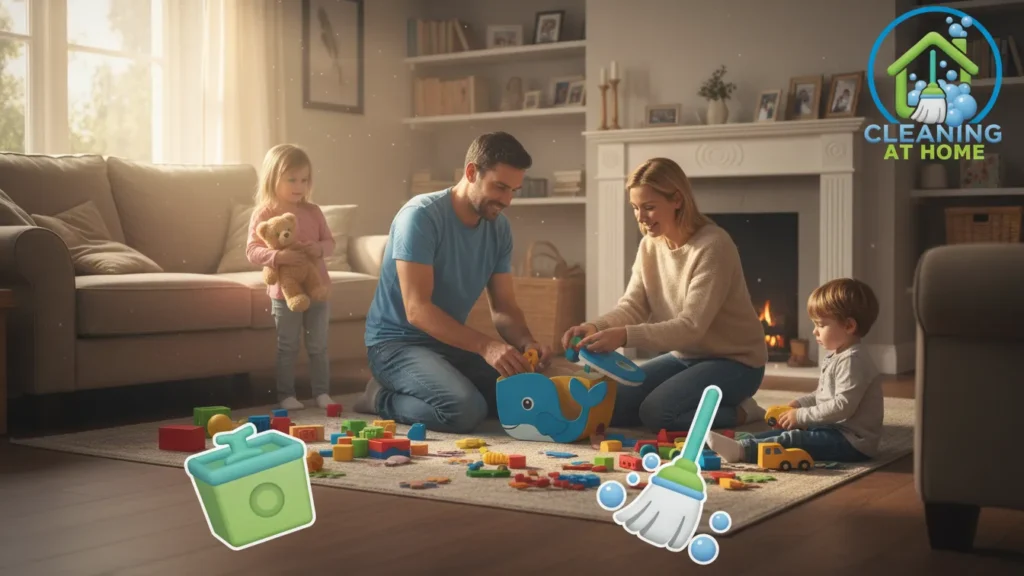
Daily Cleaning Routine for Parents and Families
For parents and families, daily cleaning routines need to work around constant movement, noise, and unpredictability. Children create messes as part of normal life, and routines that expect a perfectly tidy home are rarely realistic. A cleaning routine for families should focus on keeping the home functional and safe, not spotless.
One of the most helpful strategies for families is prioritizing shared spaces. Kitchens, living rooms, and entryways affect everyone and tend to get messy quickly. Spending a few minutes each day clearing surfaces, handling dishes, and picking up obvious clutter can make the entire home feel more manageable.
Involving children, even in small ways, can also support daily routines. Simple tasks like putting toys away, placing shoes by the door, or helping clear the table may not be done perfectly, but they reduce workload and help build habits over time. The goal is participation, not precision.
Parents also benefit from letting go of unrealistic expectations. Some days will be chaotic, and cleaning time may be minimal. On those days, focusing on just one essential task—like clearing the kitchen sink or tidying a main walkway—is enough. Consistency across the week matters more than daily completion.
Another important element is timing. Many families find short resets after meals or before bedtime more realistic than long cleaning sessions. These natural pauses in the day provide opportunities for quick maintenance without interrupting family time.
A daily cleaning routine designed for parents and families respects real life. By focusing on safety, function, and shared responsibility, families can keep their homes manageable without adding unnecessary stress to already busy days.
Common Cleaning Mistakes Busy People Make
Busy people often struggle with cleaning not because they lack discipline, but because they fall into patterns that make routines harder to maintain. These common mistakes usually come from unrealistic expectations and advice that doesn’t match everyday life.
One frequent mistake is trying to do everything at once. Busy schedules rarely allow long cleaning sessions, yet many people still attempt full-house cleanups whenever they find time. This approach often leads to exhaustion and long gaps between cleaning days. Short, consistent maintenance is far more effective than occasional deep cleans fueled by stress.
Another common issue is waiting for the “right time”. Busy people may postpone cleaning until they have a free hour or extra energy, which often never comes. Cleaning routines work best when they fit into small, imperfect moments rather than ideal conditions.
Many busy people also make the mistake of overloading their routines. Trying to include too many daily tasks quickly turns cleaning into another source of pressure. When routines feel heavy, they’re more likely to be skipped altogether.
Perfectionism is another trap. Expecting the home to look spotless every day doesn’t reflect real life, especially in households with children, pets, or demanding schedules. A functional home is a far more realistic goal than a perfect one.
Finally, some people abandon routines entirely after missing a day or two. This all-or-nothing mindset breaks consistency. Busy life is unpredictable, and routines need to allow for interruptions.
By recognizing and avoiding these common mistakes, busy people can create cleaning habits that support their lives instead of adding stress. Simple, flexible routines are easier to maintain—and far more effective over time.
👉 What Happens When You Skip Daily Cleaning

How Small Daily Actions Prevent Overwhelm
For busy people, overwhelm often comes from accumulation rather than from any single mess. Small tasks left undone tend to pile up quietly until cleaning feels unmanageable. This is where small daily actions make a significant difference. They interrupt the buildup before it turns into stress.
When daily cleaning is broken into short, manageable actions, mess never reaches an extreme point. Clearing the kitchen sink, putting items back in place, or taking out the trash may seem minor, but these actions prevent visual clutter and functional problems from growing. Over time, this consistency reduces the need for long, exhausting cleaning sessions.
Small daily actions also reduce mental pressure. Seeing unfinished tasks around the house can create constant background stress, especially for busy people who already carry heavy responsibilities. Quick resets help close those open loops, making the home feel calmer and more under control.
Another benefit is predictability. When cleaning becomes part of a daily rhythm, it stops feeling like a surprise obligation. Busy people don’t have to decide when to clean or how much to do—they simply follow a short, familiar routine. This predictability lowers resistance and makes cleaning easier to start.
Importantly, small actions protect energy. Instead of saving all cleaning for days off or late evenings, effort is spread out evenly. This approach respects limited time and energy, which is essential for busy schedules.
Over time, these small daily habits change how cleaning feels. The home stays more manageable, mess feels less intimidating, and overwhelm becomes less frequent. For busy people, this steady, low-effort approach is one of the most effective ways to maintain a functional home without adding stress to an already full life.
How This Routine Fits Into a Busy Schedule
A daily cleaning routine for busy people only works when it fits naturally into an already full schedule. If cleaning feels like an extra task competing with work, family, or rest, it’s unlikely to last. This routine is designed to blend into daily life instead of demanding additional time or energy.
One of the main ways this routine fits into a busy schedule is through short, flexible time blocks. Instead of requiring a fixed hour, it can be done in small windows—before work, after meals, or in the evening. These moments already exist in most days, which makes the routine easier to repeat.
Another important aspect is predictability without rigidity. Busy schedules often change, and routines that depend on perfect timing tend to fail. This cleaning routine allows you to adjust how much you do based on the day you’re having. Some days may include several tasks; other days may include only one. Both still support the habit.
The routine also reduces planning and decision-making. When you already know which tasks matter most, cleaning doesn’t require extra mental effort. This is especially helpful on busy days, when decision fatigue is already high.
Importantly, this routine respects rest and personal time. It doesn’t assume evenings are always available or that days off should be spent cleaning. By spreading small tasks across the week, it prevents cleaning from taking over free time.
When cleaning fits into a busy schedule, it stops feeling like a burden. Instead, it becomes a quiet support system—helping the home stay functional without demanding more time than busy life can realistically offer.

Keeping a Cleaning Routine Consistent When Life Is Busy
The hardest part of any cleaning routine for busy people is not starting—it’s staying consistent when life gets overwhelming. Schedules change, energy runs low, and unexpected responsibilities appear. A routine that only works on “good days” is unlikely to last.
Consistency comes from lowering the bar, not raising it. A routine should feel doable even on your busiest days. This might mean cleaning for just a few minutes or focusing on one essential task instead of a full checklist. These small efforts still matter and help keep the habit alive.
Another key to consistency is removing guilt. Busy life includes missed days, unfinished tasks, and moments when cleaning simply isn’t possible. Skipping a day does not undo progress. What matters is returning to the routine when you can, without judging yourself for interruptions.
Keeping routines familiar also helps. Repeating the same basic tasks reduces decision fatigue and makes cleaning feel automatic. When you don’t have to think about what to do, starting feels easier—even when energy is low.
It’s also important to allow routines to evolve. What worked during one season of life may not work in another. Adjusting task lists, timing, or expectations keeps the routine aligned with current realities instead of outdated goals.
A cleaning routine for busy people succeeds when it supports life instead of competing with it. By keeping expectations realistic, allowing flexibility, and focusing on consistency over perfection, cleaning becomes a steady habit rather than a constant struggle. Over time, this approach helps maintain a functional home—even during the busiest phases of life.