Why Skipping Daily Cleaning Feels Harmless at First
Skipping daily cleaning often feels harmless in the beginning because the impact is not immediately obvious. One day without tidying usually doesn’t change much. Surfaces may look slightly messier, but everything still feels manageable. This makes it easy to believe that daily cleaning isn’t really necessary.
Another reason skipping feels harmless is that the mess is usually spread out, not concentrated. A few dishes in the sink, some items left on a table, or laundry waiting to be folded don’t seem urgent on their own. Each task feels small enough to postpone, especially after a long or tiring day.
There is also a strong emotional component. When life feels busy, skipping cleaning can feel like a form of rest. Choosing to relax instead of cleaning may feel like a reasonable decision, especially when the consequences don’t show up right away. This reinforces the idea that skipping doesn’t matter.
The problem is that early skipping creates a false sense of control. Because nothing “bad” happens at first, it becomes easier to skip again the next day. Over time, skipping starts to feel normal, not like an exception.
Daily cleaning tasks are designed to prevent buildup, not to create instant results. When they are skipped, the effects are delayed. This delay is what makes skipping feel safe at first.
Understanding why skipping feels harmless helps explain why it becomes a habit so easily. It’s not about laziness or lack of care—it’s about how gradual accumulation works. The real impact appears later, once small skipped tasks start stacking on top of each other.

How Small Messes Turn Into Bigger Problems
Small messes rarely feel like a real problem at first. A few dishes left in the sink, clothes placed on a chair, or items left on a counter often seem easy to deal with later. Because each mess is minor, it’s easy to assume they won’t cause any real issues. Over time, however, these small messes begin to stack up.
The main issue is accumulation. When small tasks are skipped repeatedly, they don’t disappear—they add to what’s already there. One skipped day becomes two, then three. What started as a quick cleanup turns into a longer, more tiring task that feels harder to face.
Small messes also tend to spread. A cluttered counter makes it easier to place more items there. A sink with a few dishes quickly fills with more. Once a space starts feeling messy, people are more likely to add to the mess rather than stop and reset it.
Another problem is that bigger messes require more time and energy. Tasks that could have taken two or three minutes now take much longer. This often leads to avoidance, which causes even more buildup. The cycle repeats, and cleaning starts to feel overwhelming.
There’s also a mental effect. Seeing multiple small messes across the home creates visual noise. Even if none of them are severe on their own, together they can make the space feel chaotic and stressful.
Understanding how small messes grow into bigger problems helps explain why daily cleaning exists in the first place. It’s not about perfection—it’s about preventing small, manageable tasks from turning into large, exhausting ones that demand far more time and effort later.
What Builds Up the Fastest Without Daily Cleaning
When daily cleaning is skipped, not all mess builds up at the same speed. Some areas and tasks accumulate much faster than others, which is why homes can feel out of control surprisingly quickly—even after just a few days of neglect.
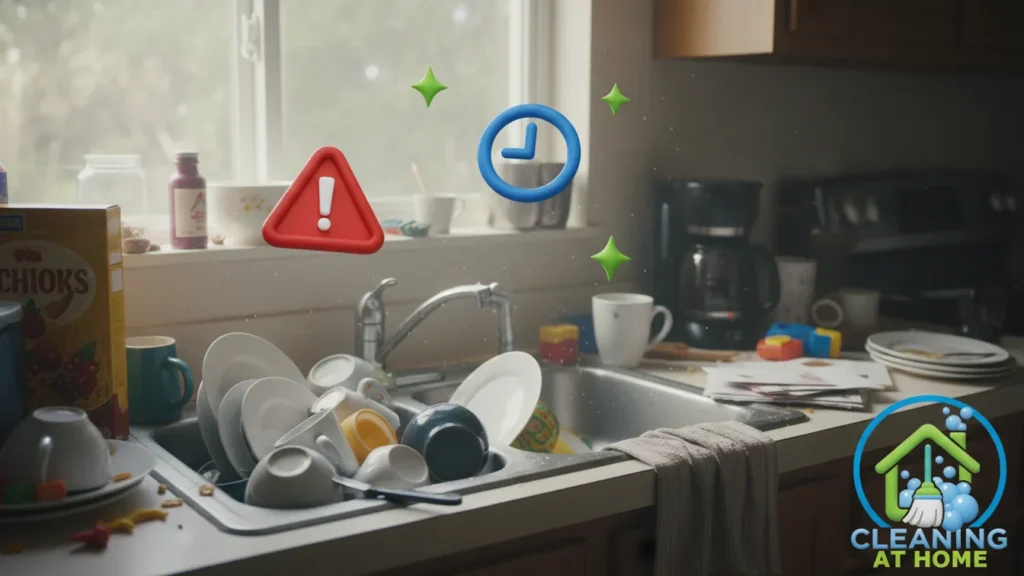
One of the fastest things to build up is dishes. Plates, cups, and utensils are used every day, often multiple times. When dishes aren’t handled daily, sinks and counters fill up quickly, making the kitchen harder to use. Once the sink is full, even simple tasks like cooking or rinsing become more frustrating.
Clutter on flat surfaces is another fast-growing issue. Counters, tables, and chairs naturally attract items—mail, bags, clothes, and random objects. When these surfaces aren’t cleared regularly, clutter spreads and begins to take over entire rooms. This visual buildup can make a space feel chaotic even if it isn’t truly dirty.
Trash and recycling also accumulate quickly. Ignoring them for a few days can lead to overflowing bins, unpleasant smells, and a general feeling of disorder. This buildup affects comfort more than many people expect.
Floors in high-traffic areas are another problem spot. Dirt, crumbs, and debris collect rapidly, especially near entrances and kitchens. Without light daily attention, floors can quickly look and feel neglected.
What makes these areas challenging is that they impact daily function. When the fastest-building messes aren’t addressed, everyday routines become harder. Understanding what builds up first highlights why small daily cleaning tasks matter—they target the areas that affect comfort and usability the most, before mess reaches an overwhelming level.

The Time Cost of Skipping Small Daily Tasks
Skipping small daily cleaning tasks may feel like a time-saver in the moment, but over time it often leads to the opposite result. Tasks that take just a few minutes when done daily can turn into long, exhausting cleaning sessions when they are postponed repeatedly.
The main issue is that small tasks are designed to be quick. Loading the dishwasher, wiping a counter, or putting items back in place usually takes two to five minutes. When these actions are skipped for several days, they stack up and require much more time to fix. What could have been a short reset turns into a catch-up session that feels overwhelming.
Another hidden time cost comes from inefficiency. A cluttered kitchen slows down cooking. A messy entryway makes it harder to find shoes or keys. Floors covered in debris require longer cleaning sessions later. These small delays add up throughout the day, costing more time than the original cleaning task ever would have.
There is also the problem of avoidance. When tasks grow bigger, people are more likely to delay them further. This creates a cycle where cleaning keeps getting postponed because it feels too time-consuming. Ironically, skipping small daily tasks often leads to the very time drain people were trying to avoid.
Daily cleaning is not about spending more time—it’s about spreading time wisely. Handling small tasks regularly keeps cleaning manageable and predictable. When these tasks are skipped, time is not saved; it is simply deferred, often at a much higher cost later.
Understanding the time impact of skipping daily cleaning helps explain why consistency matters. A few minutes a day is usually far more efficient than dealing with a large mess all at once.
How Skipping Daily Cleaning Increases Stress
Skipping daily cleaning doesn’t just affect the home—it often affects how people feel inside it. Stress increases not because the house is suddenly dirty, but because unfinished tasks begin to quietly build up in the background of daily life.
One reason stress rises is visual overload. Cluttered surfaces, piles of dishes, and messy floors constantly signal that something needs attention. Even when people try to ignore it, the brain continues to register these signals. Over time, this creates a low-level sense of pressure that can make it harder to relax at home.
Another factor is mental weight. Skipped cleaning tasks don’t disappear—they stay on an internal to-do list. Each unfinished task becomes something to remember, postpone, or worry about. This adds to mental load, especially for people already managing work, family, or other responsibilities.
Skipping daily cleaning can also create stress through time pressure. As mess builds up, cleaning starts to feel like a large project instead of a small habit. Knowing that a big cleanup is waiting can cause avoidance, which increases anxiety rather than reducing it.
There’s also the impact on routines. Messy kitchens make meals harder to prepare. Cluttered entryways slow down mornings. These small disruptions add friction to the day and can make everything feel more rushed and frustrating.
Importantly, stress doesn’t come from lack of effort—it comes from accumulation. Daily cleaning tasks are meant to prevent this buildup. When they’re skipped repeatedly, stress grows gradually, often without being noticed until it feels overwhelming.
Understanding how skipping daily cleaning increases stress helps reframe the habit. Daily cleaning isn’t about control or perfection—it’s about protecting mental space. Small, regular actions help keep the home calmer, which often supports a calmer state of mind as well.
👉 Daily Cleaning Routine for Busy People

Why Catch-Up Cleaning Feels So Overwhelming
Catch-up cleaning often feels overwhelming because it combines multiple days—or even weeks—of skipped tasks into one moment. What were once small, manageable actions now appear as a long list of things that need attention all at once. This sudden concentration of work can feel mentally and physically exhausting.
One reason catch-up cleaning feels so heavy is task stacking. Dishes, laundry, clutter, trash, and floors all demand attention at the same time. Instead of choosing one small task, people feel pressured to handle everything, which increases stress before cleaning even begins.
Another factor is loss of momentum. Daily cleaning builds rhythm and familiarity. When that rhythm is broken, restarting feels harder. Catch-up cleaning doesn’t have a clear starting point, which can cause hesitation and avoidance. Not knowing where to begin often makes the task feel bigger than it actually is.
There’s also an emotional element involved. Catch-up cleaning can trigger frustration, guilt, or self-criticism. These emotions drain energy and make cleaning feel even more difficult. Instead of focusing on progress, people may focus on how far behind they feel.
Catch-up cleaning is also physically demanding. Tasks that usually take minutes now take much longer, requiring sustained effort. This can be especially challenging after long workdays or busy weeks, when energy is already low.
Understanding why catch-up cleaning feels overwhelming helps explain the value of daily maintenance. Daily cleaning spreads effort evenly across time, preventing tasks from piling up. It keeps cleaning small, predictable, and easier to face—so cleaning never turns into an exhausting reset that feels too big to handle.
How Skipping Daily Cleaning Affects Mornings
Skipping daily cleaning often shows its impact most clearly in the morning. Mornings are usually time-sensitive, and any extra friction can quickly create stress. When daily cleaning is skipped the night before or over several days, mornings tend to start with obstacles instead of ease.
One of the most noticeable effects is lack of readiness. A cluttered kitchen makes breakfast harder to prepare. Dirty dishes may block the sink, and messy counters leave little usable space. These small issues slow everything down at a time when people are usually rushing.
Clutter also affects decision-making in the morning. Searching for keys, shoes, or work items wastes valuable minutes and increases frustration. When items don’t have a clear place because daily resets were skipped, mornings become reactive instead of smooth.
There is also a mental impact. Starting the day surrounded by mess can create a sense of being behind before the day has even begun. This early stress can influence mood, focus, and energy for the rest of the day.
Skipping daily cleaning can also disrupt routines for households with multiple people. Shared spaces that aren’t reset can cause delays, tension, or rushed interactions as everyone navigates around unfinished tasks.
Daily cleaning routines are designed to support mornings, not add work. Even a short reset the day before helps create a calmer starting point. When daily cleaning is skipped, mornings often absorb the cost—turning what could have been a smooth start into a stressful scramble.
Understanding how skipped cleaning affects mornings highlights why small daily efforts matter. They protect one of the most important parts of the day by removing unnecessary friction and helping mornings begin with clarity instead of chaos.

The Impact on Shared Spaces and Family Routines
When daily cleaning is skipped, shared spaces are usually the first areas to feel the impact. Kitchens, living rooms, bathrooms, and entryways are used by everyone in the household, which means small messes multiply quickly. When these spaces aren’t reset regularly, daily routines can start to break down.
One of the main issues is loss of functionality. A cluttered kitchen affects meals for the entire household. A messy living room limits where people can sit or relax. When shared spaces stop working well, everyday activities take longer and require more effort.
Skipping daily cleaning can also create tension between household members. When mess builds up, expectations become unclear. Some people may feel responsible for cleaning more than others, while others may not notice the mess at all. This imbalance can lead to frustration, especially when routines are already busy.
Family routines are also affected by unpredictability. When shared spaces aren’t reset, it’s harder to follow regular schedules. Mornings become rushed, evenings feel disorganized, and transitions between activities take longer. These small disruptions add stress to daily life.
In homes with children, skipped cleaning can make routines harder to manage. Toys left out, cluttered surfaces, or messy floors can interfere with playtime, homework, and bedtime routines. Even simple activities require extra cleanup before they can begin.
Daily cleaning helps protect shared spaces so they remain usable for everyone. It doesn’t require perfection—just small, consistent resets. When shared areas are maintained, family routines flow more smoothly, interactions feel less stressful, and the home supports daily life instead of complicating it.
Common Reasons People Skip Daily Cleaning
People skip daily cleaning for many understandable reasons, and most of them have little to do with laziness or lack of care. In reality, skipping often happens because daily life feels overwhelming, unpredictable, or exhausting. Understanding these reasons helps remove guilt and makes it easier to build realistic routines.
One of the most common reasons is lack of energy. After long workdays, commuting, or caring for family, many people simply feel drained. Even small cleaning tasks can feel heavy when mental and physical energy are low. In these moments, rest feels more urgent than maintenance.
Another reason is time pressure. Busy schedules leave little room for extra tasks, especially when cleaning is seen as something that requires a large time commitment. When people believe cleaning must be done “properly” or all at once, they are more likely to skip it entirely.
Perfectionism also plays a role. Some people skip daily cleaning because they don’t feel able to do it well. If cleaning is associated with deep cleaning or visible perfection, it can feel pointless to start when only a few minutes are available.
Disrupted routines are another factor. Travel, illness, busy seasons, or changes in schedule can break habits. Once daily cleaning is skipped a few times, restarting can feel harder than expected.
Finally, emotional factors matter. Stress, burnout, or feeling overwhelmed can make even small tasks feel unmanageable. In these situations, skipping cleaning is often a coping response, not a failure.
Recognizing these common reasons helps shift the focus away from blame and toward solutions. Daily cleaning routines work best when they respect real limits and adapt to real life.
👉 How to Build a Daily Cleaning Habit That Sticks
What Happens When Skipping Becomes a Habit
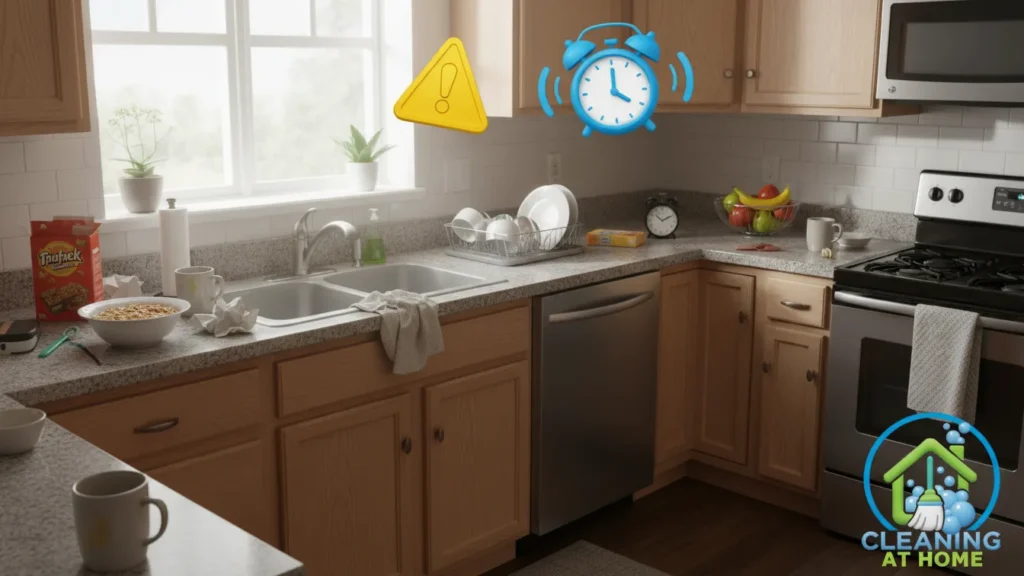
When skipping daily cleaning stops being occasional and turns into a habit, the effects become more noticeable and harder to reverse. What once felt like a harmless choice starts shaping how the home functions—and how cleaning is perceived.
One of the first changes is normalization of mess. As skipping becomes routine, clutter and unfinished tasks begin to feel normal. The baseline standard of cleanliness slowly shifts, making it harder to recognize when things are getting out of control. This often leads to longer gaps between cleanups.
Another consequence is increased resistance to cleaning. The longer daily tasks are skipped, the bigger they grow. Bigger tasks feel heavier, which increases avoidance. This creates a loop where cleaning feels harder each time, even though it started with small skips.
Habitual skipping also affects confidence. When cleaning feels consistently postponed, people may start believing they are “bad at routines” or “never consistent.” This mindset can make restarting feel discouraging, even when simple solutions exist.
There is also a cumulative impact on time and energy. Instead of spreading effort across days, cleaning gets pushed into rare, exhausting sessions. These catch-up cleanings take more time and often require more motivation, which reinforces the habit of skipping.
Importantly, habitual skipping is rarely intentional. It usually develops quietly through busy seasons, stress, or exhaustion. Recognizing when skipping has become a pattern—not just an exception—is the first step toward change.
Understanding what happens when skipping becomes a habit helps reframe daily cleaning. Daily tasks aren’t about strict discipline—they’re about preventing small skips from turning into long-term patterns that make cleaning feel heavier than it needs to be.
How Daily Cleaning Prevents These Problems
Daily cleaning prevents many of the problems caused by skipping not because it eliminates mess entirely, but because it interrupts accumulation. Small, regular actions stop clutter, dirt, and unfinished tasks from reaching a point where they feel overwhelming.
One of the main benefits of daily cleaning is containment. Handling dishes, clearing surfaces, and resetting shared spaces each day keeps mess from spreading. Problems are addressed while they are still small and manageable, rather than being allowed to grow silently over time.
Daily cleaning also protects time and energy. Tasks that take a few minutes when done consistently can take much longer when postponed. By spreading effort across days, daily cleaning avoids the need for exhausting catch-up sessions that drain motivation and time.
Another important benefit is emotional relief. A home that receives regular maintenance tends to feel calmer and more predictable. Visual clutter is reduced, routines flow more smoothly, and the mental weight of unfinished tasks is lighter. This often makes the home feel more supportive rather than stressful.
Daily cleaning also supports better routines. Mornings are easier when spaces are reset. Evenings feel calmer when the day ends with a sense of closure. These small improvements compound over time and help daily life feel more organized.
Importantly, daily cleaning does not require perfection or long sessions. Its power comes from consistency, not intensity. Even short resets make a difference when they happen regularly.
By preventing buildup, reducing stress, and protecting routines, daily cleaning acts as a buffer against many of the problems discussed earlier. It keeps the home functional and manageable, making cleaning easier—not harder—over time.

Finding a Balanced Approach Without Guilt
After understanding the consequences of skipping daily cleaning, it’s important to talk about balance. Daily cleaning is meant to support life, not become another source of pressure or guilt. A balanced approach recognizes that skipping happens sometimes—and that this doesn’t mean failure.
One key part of balance is removing moral weight from cleaning. Skipping a day does not reflect laziness or lack of care. It usually reflects limited time, low energy, or competing priorities. When cleaning is tied to self-judgment, it becomes harder to restart. A balanced mindset treats cleaning as a practical tool, not a measure of worth.
Another important element is realistic expectations. Daily cleaning does not mean doing everything every day. It means doing small resets when possible and letting go when it’s not. Some days will include a full routine; other days may include only one small task—or none at all. Balance comes from returning to the habit, not maintaining perfection.
Flexibility also matters. Life changes, schedules shift, and energy fluctuates. A balanced approach allows routines to adjust without being abandoned. When daily cleaning feels adaptable, it’s easier to re-engage after busy or stressful periods.
It’s also helpful to focus on forward movement instead of catching up. When cleaning is skipped, the goal doesn’t need to be fixing everything at once. Starting with one small task is often enough to restore momentum without overwhelm.
Finding balance means accepting that daily cleaning is a support system, not a rulebook. When guilt is removed and flexibility is allowed, cleaning becomes lighter and more sustainable—helping maintain a functional home while respecting real life.