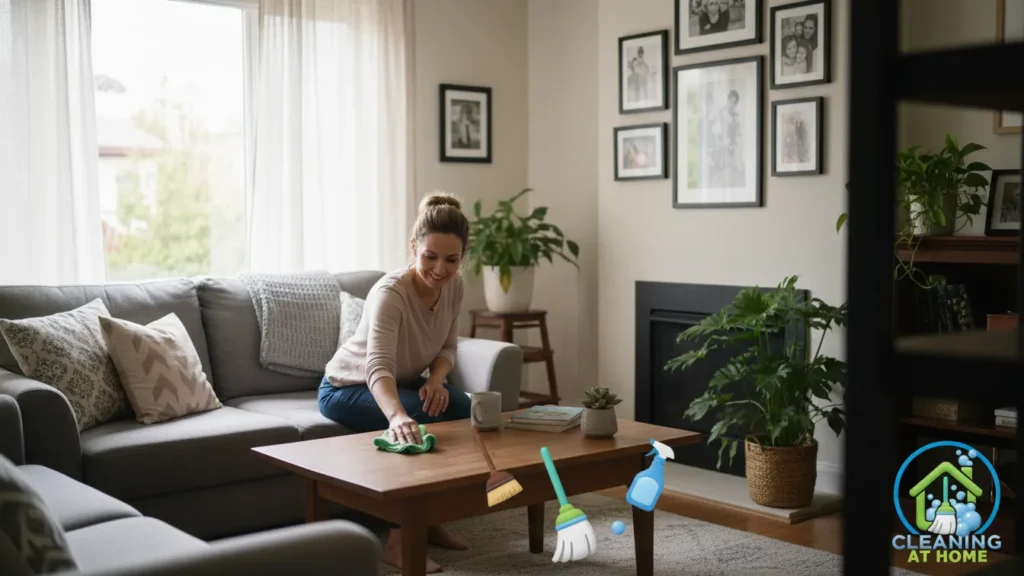

Why a Weekly Cleaning Checklist Makes Life Easier
A weekly cleaning checklist might seem like a small thing, but for many people, it’s the difference between feeling constantly behind and feeling quietly in control of their home. Most cleaning stress doesn’t come from the act of cleaning itself—it comes from uncertainty. Not knowing what needs to be done, when to do it, or whether you’re forgetting something important creates mental clutter long before physical mess becomes a problem.
Without a checklist, cleaning often turns into reactive behavior. You clean what looks dirty, ignore what doesn’t, and hope nothing important is being missed. This approach works temporarily, but over time it leads to inconsistency. Some areas get cleaned too often, others are neglected, and cleaning starts to feel endless because there’s no clear finish line. A weekly checklist replaces that guesswork with structure.
What makes a weekly cleaning checklist especially powerful is that it reduces decision fatigue. Instead of constantly asking yourself, “What should I clean today?” the checklist already answers that question. This frees up mental energy and makes it easier to start—even on busy or low-energy days. When decisions are removed, action becomes simpler.
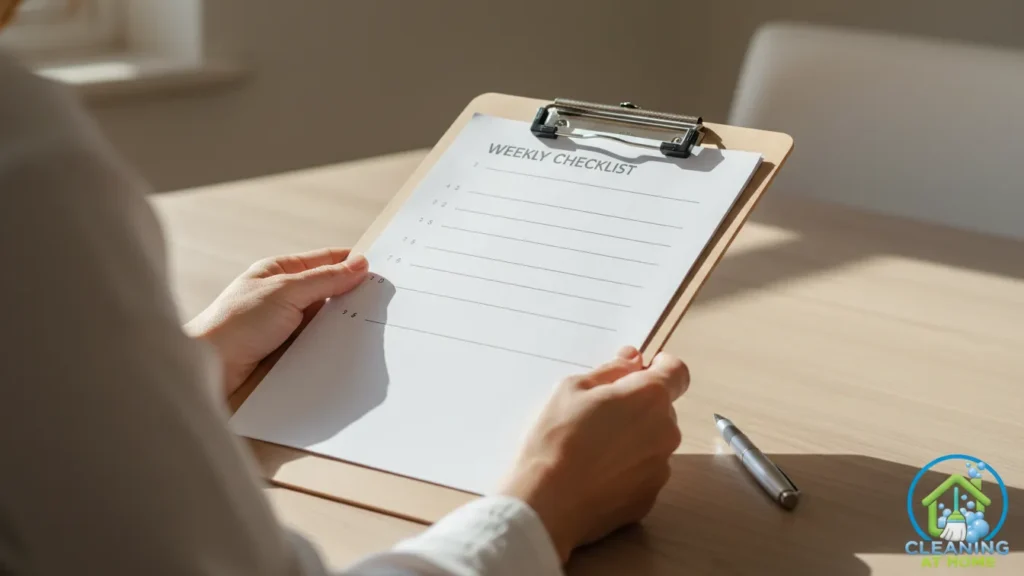
A checklist also changes how progress feels. When cleaning is unstructured, it’s hard to tell if you’re “done.” There’s always something else you could clean. A weekly checklist creates boundaries. When the tasks are completed, you’re finished for the week. That sense of completion is incredibly motivating and helps prevent overcleaning and burnout.
Another reason weekly cleaning checklists make life easier is consistency. Homes stay cleaner not because people clean harder, but because they clean regularly. A checklist supports repetition without requiring constant planning. Over time, tasks become familiar, quicker, and less emotionally charged. Cleaning shifts from something you dread into something routine and manageable.
Importantly, a good weekly cleaning checklist is not about perfection. It’s about coverage. It ensures that essential areas—kitchen, bathrooms, floors, laundry flow—are handled regularly, so mess never reaches an overwhelming level. When these basics are covered, everything else feels easier, even if some areas aren’t spotless.
For busy people, a checklist also provides flexibility. You don’t have to do everything in one day. Tasks can be spread across the week, rearranged, or adjusted without losing control. The checklist stays the same, but how you use it adapts to your life. This flexibility is what makes a weekly checklist sustainable long term.
Ultimately, a weekly cleaning checklist makes life easier because it creates a system you can rely on. It removes uncertainty, reduces stress, and turns cleaning into a predictable routine instead of a constant mental burden. When you know exactly what needs to be done—and what doesn’t—you spend less time worrying about your home and more time living in it.
What Makes a Good Weekly Cleaning Checklist
A good weekly cleaning checklist is not defined by how long it is, but by how well it fits into real life. Many checklists fail because they try to cover everything instead of focusing on what actually keeps a home functional. The best checklists are simple, clear, and designed to be used repeatedly without feeling overwhelming.
One key element of a good checklist is prioritization. It highlights essential weekly tasks instead of treating all cleaning equally. Areas like the kitchen, bathrooms, floors, trash, and laundry flow usually matter far more than low-use rooms or occasional tasks. When a checklist reflects these priorities, it delivers results faster and feels more rewarding to follow.
Another important factor is clarity. Each task should be easy to understand at a glance. Vague items like “clean the house” or “tidy rooms” don’t work well because they require extra thinking. Clear, specific tasks reduce hesitation and make it easier to start, especially on busy days.
A good weekly checklist is also flexible by design. It doesn’t assume you’ll clean everything in one day or follow a rigid schedule. Instead, it allows tasks to be spread across the week, completed in any order, or adjusted based on time and energy. This flexibility is what makes a checklist sustainable rather than stressful.
Length matters too—but shorter is often better. A strong checklist avoids unnecessary tasks that belong in monthly or seasonal cleaning. By keeping the list focused, it prevents burnout and helps maintain consistency week after week.
Finally, a good weekly cleaning checklist creates a sense of completion. When the listed tasks are done, you can confidently stop cleaning for the week. That clear endpoint is what turns a checklist into a supportive tool instead of an endless obligation.
When a checklist is prioritized, clear, flexible, and realistic, it becomes something you rely on—not something you avoid.
How to Use This Checklist (Printable-Style Approach)
A printable-style weekly cleaning checklist isn’t about following strict rules—it’s about creating a visual and mental guide you can return to every week. Even when the checklist lives on your phone, tablet, or screen, using it as if it were printable helps make cleaning feel more concrete, structured, and doable.
The first step is mindset. Treat this checklist as a reference, not a daily command. You don’t need to complete everything in one day, and you don’t need to follow a fixed order unless it helps you. Think of the checklist as a menu of weekly essentials. Your job each week is simply to make sure those items are covered at some point.
Many people find it helpful to imagine the checklist divided into sections—kitchen, bathrooms, bedrooms, living areas—rather than a single long list. This makes it easier to mentally “check off” progress as you go. Even without physically printing the list, this visual separation creates clarity and reduces overwhelm.
Another effective way to use a printable-style checklist is to pair it with your weekly rhythm. You might glance at it at the beginning of the week to plan, then return to it briefly each day to see what still needs attention. This quick review prevents tasks from being forgotten and keeps cleaning from piling up at the end of the week.
It’s also important to avoid overusing the checklist. You don’t need to rewrite it, redesign it, or constantly adjust it. The power of a checklist comes from repetition. When you use the same structure week after week, tasks become familiar and faster. The checklist fades into the background, quietly guiding your routine.
Finally, remember that “printable-style” means clean, simple, and reusable. No extra explanations. No pressure to be perfect. Just a clear list of what matters weekly. When used this way, the checklist becomes a steady support system—something you can rely on even when life feels busy or unpredictable.
Used consistently, this approach turns cleaning from a mental burden into a straightforward habit you don’t have to overthink.
Core Weekly Cleaning Tasks (The Essentials)
Core weekly cleaning tasks are the foundation of a clean, manageable home. These are the tasks that make the biggest difference in how your space feels day to day. When they’re done consistently, your home stays under control—even if nothing else gets cleaned that week.
The purpose of core tasks is maintenance, not deep cleaning. They focus on areas that get dirty quickly and affect daily comfort the most. When these essentials are covered, mess never reaches an overwhelming level, and cleaning stops feeling urgent or stressful.
For most homes, the kitchen is at the top of the list. Weekly kitchen essentials usually include wiping countertops, cleaning the sink, checking for spills in the refrigerator, and taking out the trash. These tasks keep food areas hygienic and prevent odors or sticky buildup that makes the whole house feel dirty.
Bathrooms are another essential focus. Weekly tasks typically involve cleaning toilets, sinks, mirrors, and giving the shower or tub a quick refresh. Bathrooms don’t need deep scrubbing every week, but skipping basic upkeep quickly leads to visible grime and discomfort.
Floors in high-traffic areas also fall into the core category. Vacuuming or sweeping main walkways, kitchens, and living areas controls dust, crumbs, and pet hair before they spread. This single task has a big visual impact and helps the entire home feel cleaner.
Laundry flow is often overlooked, but it’s a key weekly essential. The goal isn’t to wash every item you own—it’s to keep clothes moving. Washing, drying, folding, and putting away at least one or two loads prevents piles that create clutter and stress.
Finally, trash and quick resets matter more than people think. Emptying trash cans, clearing obvious clutter, and doing small end-of-week resets help your home start the next week in a stable place.
These core weekly tasks form the backbone of any good checklist. When they’re done regularly, everything else becomes optional instead of urgent. That’s what makes weekly cleaning sustainable—not doing more, but doing what matters most.
Weekly Kitchen Cleaning Checklist
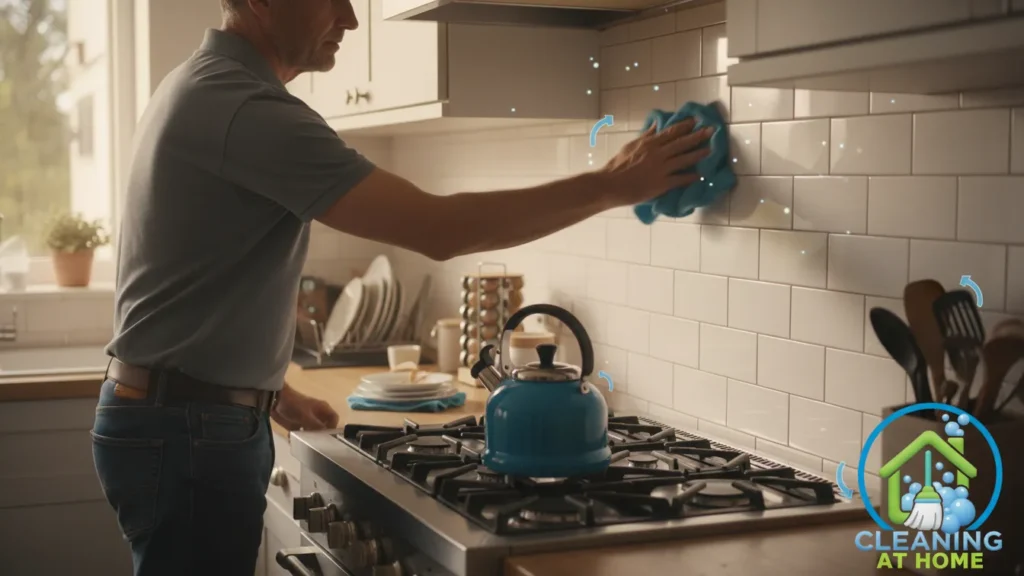
The kitchen is one of the most important areas to include in a weekly cleaning checklist because it affects hygiene, comfort, and how the entire home feels. When the kitchen is under control, the house feels calmer. When it’s neglected, mess tends to spread quickly to other rooms.
A weekly kitchen checklist focuses on surface-level maintenance, not deep cleaning. The goal is to reset the space so it stays functional and easy to use throughout the week. These tasks prevent buildup without requiring a lot of time or effort.
Start with countertops. Wipe all surfaces thoroughly, paying attention to corners and areas around appliances where crumbs and spills collect. Clear items first so you’re cleaning the surface itself, not just around objects.
Next, clean the sink. Rinse away food residue, scrub lightly if needed, and wipe the faucet handles. The sink is used constantly, and keeping it clean weekly helps prevent odors and grime from building up.
Appliances that get daily use should also be part of the weekly checklist. Wipe the exterior of the stove, microwave, and refrigerator doors. Check inside the microwave for obvious splatters and clean them before they harden.
Trash is another essential weekly task. Empty the trash can, wipe the lid if needed, and replace the liner. Even with liners, residue and odors can build up quickly if this step is skipped.
Finish with a quick floor check. Sweep or vacuum the kitchen floor to remove crumbs and dirt. This keeps mess from spreading and makes the kitchen feel freshly reset.
A weekly kitchen checklist isn’t about perfection. It’s about keeping the space clean enough that cooking, eating, and daily routines feel easy. When these simple tasks are done consistently, deeper kitchen cleaning becomes far less necessary—and far less overwhelming.
👉 Weekly Cleaning Routine (Simple Plan)

Weekly Bathroom Cleaning Checklist
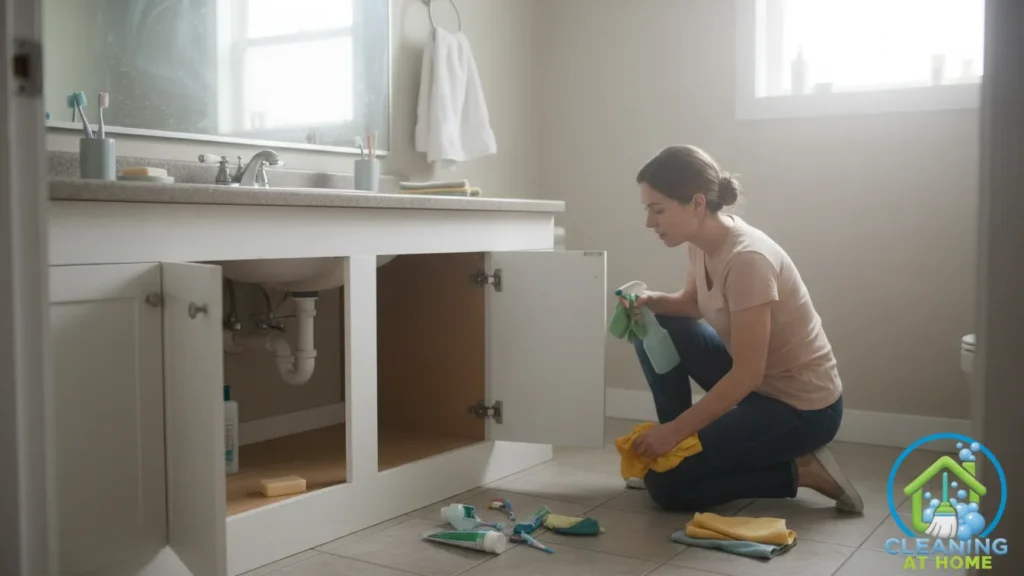
Bathrooms need consistent weekly attention because they collect moisture, bacteria, and buildup faster than most other rooms. A weekly bathroom cleaning checklist keeps these spaces hygienic and comfortable without turning cleaning into a time-consuming project. The goal is maintenance—not deep scrubbing.
Start with the toilet. Clean the bowl, seat, and exterior surfaces. This single task has a big impact on how clean the bathroom feels and helps prevent odors and bacteria from spreading.
Next, move to the sink and countertop. Wipe the surface, clean around the faucet handles, and check for toothpaste splatter or soap residue. These areas are touched frequently and benefit greatly from regular upkeep.
Mirrors should also be part of the weekly checklist. A quick wipe removes spots and streaks, instantly making the bathroom look cleaner and brighter.
Showers and tubs don’t need deep cleaning every week, but they do need a weekly refresh. Rinse away visible residue, wipe fixtures, and clean the most-used areas to prevent soap scum and water spots from hardening over time.
Finish with the floor. Sweep or vacuum hair and dust, then wipe or mop if needed. Bathroom floors collect more debris than people expect, especially around the toilet and sink.
A weekly bathroom checklist keeps small problems from turning into big ones. When these basics are handled consistently, bathrooms stay fresh, deeper cleaning takes less effort, and weekly cleaning remains quick and manageable.
Weekly Bedroom Cleaning Checklist
Bedrooms often get overlooked during weekly cleaning because they don’t always look messy at first glance. However, dust, fabric fibers, and clutter quietly build up and affect comfort, air quality, and how restful the space feels. A weekly bedroom cleaning checklist keeps this area calm and manageable without turning it into a major task.
Start with a quick reset. Put away clothes, shoes, and items left on surfaces or the floor. This step alone makes the room feel noticeably cleaner and prevents clutter from spreading into other areas of the house. Weekly bedroom cleaning is not about organizing closets—it’s about restoring order.
Next, make the bed and refresh the bedding. Changing sheets weekly is ideal for hygiene and comfort. Even when sheets don’t need changing, straightening the bed instantly improves how the room looks and feels.
Dusting is another key weekly task. Wipe nightstands, dressers, headboards, and other frequently touched surfaces. Bedrooms collect dust quickly because of fabrics, skin cells, and limited airflow, so regular dusting helps keep the space fresher.
Floors should also be included. Vacuum or sweep the bedroom floor, paying attention to areas around the bed where dust and hair tend to gather. If possible, check under the bed as well—this area is easy to forget and can hold a surprising amount of debris.
Finally, do a quick trash and laundry check. Empty small trash bins and move any laundry to its proper place. Keeping this flow moving weekly prevents piles from forming and keeps the room feeling lighter.
A weekly bedroom checklist doesn’t take long, but it makes a big difference. When bedrooms are cleaned consistently, they stay restful, easier to maintain, and far less likely to require time-consuming catch-up cleaning later.
👉 Weekly Cleaning Schedule for Busy People
Weekly Living Areas Cleaning Checklist
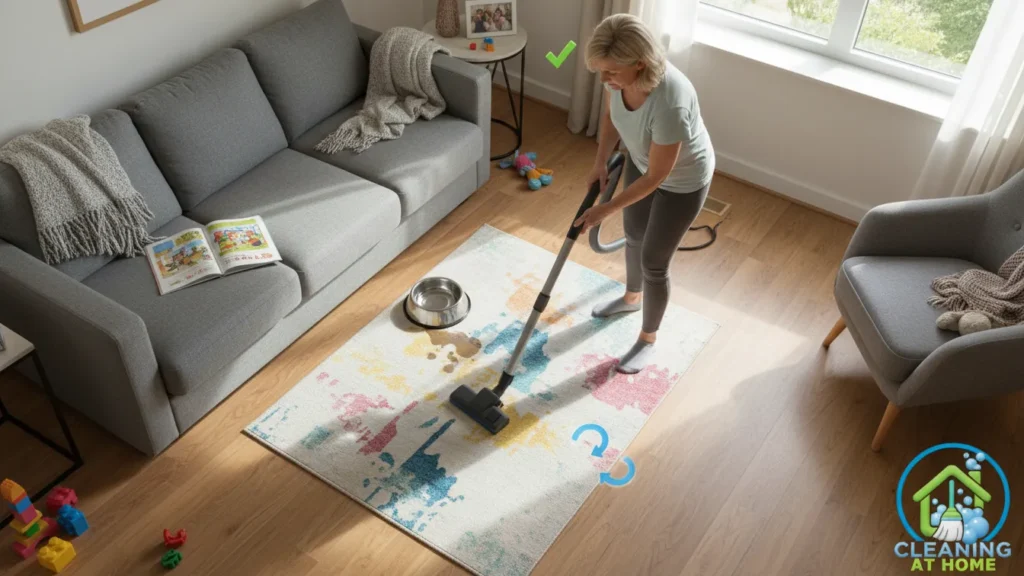
Living areas—including living rooms, family rooms, and dining spaces—are shared zones that collect a little bit of everything: dust, crumbs, clutter, and fingerprints. Because these rooms are used daily, a weekly cleaning checklist helps keep them comfortable and presentable without requiring constant attention.
Start with a quick declutter pass. Return items to their proper places, clear coffee tables, side tables, and dining surfaces, and remove anything that doesn’t belong in the room. This step sets the foundation for effective cleaning and instantly makes the space feel calmer.
Next, focus on dusting. Wipe shelves, TV stands, picture frames, lamps, and other decorative items. Dust tends to build up quickly in living areas, especially around electronics. Regular weekly dusting improves air quality and keeps surfaces looking fresh without deep cleaning.
Upholstered furniture benefits from weekly care as well. Vacuum sofas and chairs, paying attention to seat cushions and crevices where crumbs and dust collect. If cushions are removable, a quick shake or rotation helps maintain their shape and cleanliness.
Dining areas should be included in the weekly checklist, even if they’re used lightly. Wipe the dining table, chair backs, and any nearby surfaces. This prevents sticky residue and keeps the space ready for meals or gatherings without last-minute cleaning.
Finish with floors. Vacuum or sweep living and dining areas, especially in high-traffic paths. Floors in shared spaces show dirt quickly, and weekly attention makes the entire home feel cleaner.
A weekly living areas checklist keeps these shared spaces welcoming and easy to maintain. When done consistently, it prevents clutter and dust from taking over—and makes the rest of the house feel more put together with minimal effort.
Optional Weekly Cleaning Tasks (Flexible Add-Ons)
Optional weekly cleaning tasks are what make a checklist flexible instead of rigid. These are not tasks that must be done every week to keep your home functional, but tasks that can be added when you have extra time, energy, or motivation. Including them as optional helps prevent guilt and burnout while still giving you room to do more when it makes sense.
The purpose of optional tasks is to support progress, not create pressure. They exist for weeks when your schedule feels lighter or when a specific area needs a bit more attention. By clearly labeling these tasks as optional, you avoid turning your weekly checklist into an overwhelming list that feels impossible to complete.
Common optional weekly tasks might include wiping baseboards in one room, cleaning interior windows or mirrors beyond the basics, dusting ceiling fans, wiping cabinet fronts, or vacuuming under furniture. These tasks improve overall cleanliness, but skipping them for a week or two won’t cause your home to fall apart.
Optional tasks also work well as rotation items. Instead of doing everything at once, you might choose one or two optional tasks each week and rotate through them over time. This spreads effort evenly and keeps deeper-maintenance tasks from piling up into a major cleaning day.
Another benefit of optional tasks is flexibility during busy weeks. When life gets hectic, you can confidently ignore this section and focus only on essentials. When life slows down, optional tasks give you a clear way to make extra progress without reinventing your routine.
Optional weekly cleaning tasks remind you that a checklist is a tool, not a rulebook. They give structure without rigidity and allow your cleaning routine to adapt to real life. When used intentionally, they help your home improve gradually—without turning cleaning into a constant obligation.

How to Customize This Checklist for Your Home
A weekly cleaning checklist works best when it reflects how your home actually functions. No two homes have the same layout, traffic patterns, or priorities, which is why customization is essential. A checklist should adapt to your space—not force your space to adapt to it.
Start by identifying your high-impact areas. These are the rooms or zones that affect your daily comfort the most. For many homes, that means the kitchen, main bathroom, living area, and laundry flow. If certain rooms are rarely used, they may not need weekly attention. Customizing your checklist means giving more focus to what truly matters in your home.
Next, adjust tasks based on household size and lifestyle. Homes with kids or pets may need more frequent floor cleaning or upholstery care. Smaller households or homes with lighter use may be able to simplify tasks without losing control. The checklist should reflect real usage, not ideal conditions.
Another way to customize is by adjusting task depth. For example, “clean bathroom” might mean a quick surface wipe in a busy season and a more thorough clean during calmer weeks. The task stays on the checklist, but the intensity changes based on time and energy. This keeps the routine consistent without making it rigid.
You can also customize by combining or separating tasks. In small homes, multiple rooms can be handled in one session. In larger homes, breaking tasks into zones may feel more manageable. The checklist should match how you naturally move through your space.
Finally, allow your checklist to evolve. What works now may need adjustment later. Seasonal changes, schedule shifts, or lifestyle changes may require small updates. A checklist is not a permanent rule—it’s a living tool.
When customized thoughtfully, a weekly cleaning checklist feels supportive instead of demanding. It becomes something you can rely on week after week, because it’s built around your home, your habits, and your reality.
Common Mistakes When Using Cleaning Checklists
Cleaning checklists are meant to make life easier, but when they’re used incorrectly, they can have the opposite effect. Many people give up on checklists not because the idea is bad, but because small, common mistakes turn a helpful tool into a source of stress or frustration.
One of the most common mistakes is treating the checklist as a strict rulebook. When people believe every item must be completed every single week, the checklist quickly feels overwhelming. This rigid mindset leads to guilt when tasks are skipped and often causes people to abandon the checklist altogether. A weekly checklist should guide you, not judge you.
Another frequent issue is overloading the checklist. Adding too many tasks—especially ones that belong in monthly or seasonal cleaning—makes the list feel endless. When a checklist is too long, it becomes harder to start, and progress feels insignificant. A good weekly checklist stays focused on essentials and leaves deeper tasks for other routines.
Some people also misuse checklists by ignoring prioritization. Treating all tasks as equally important can waste time and energy. For example, spending extra effort on low-impact tasks while high-use areas fall behind defeats the purpose of having a checklist in the first place. Weekly checklists work best when essentials are clearly understood and handled first.
Another mistake is constantly changing the checklist. While customization is important, rewriting or redesigning the checklist every week creates unnecessary friction. Checklists are most effective when they stay consistent. Familiarity reduces mental effort and makes cleaning faster over time.
Finally, a common mistake is using the checklist as motivation instead of support. A checklist doesn’t create motivation—it removes obstacles. Waiting to “feel motivated” before using it usually leads to inconsistency. The checklist works best when it’s used simply because it exists, not because you’re inspired.
Avoiding these mistakes keeps your checklist helpful and sustainable. When used correctly, a weekly cleaning checklist becomes a quiet support system—one that keeps your home under control without adding pressure or stress.
How This Checklist Fits Into a Weekly Cleaning Routine
A weekly cleaning checklist works best when it’s part of a broader routine, not something used in isolation. The checklist provides structure, but the routine gives it rhythm. Together, they turn cleaning into a predictable system instead of a recurring decision you have to rethink every week.
In a weekly cleaning routine, the checklist acts as the anchor. It defines what needs to be covered within the week, while the routine determines when and how those tasks happen. Some people prefer assigning checklist sections to specific days. Others work through the list gradually whenever time allows. Both approaches work, because the checklist stays consistent even if the timing changes.
This checklist also fits naturally into routines that prioritize maintenance over intensity. By focusing on core weekly tasks, it supports routines designed to keep the home stable rather than perfectly clean. When used consistently, the checklist prevents buildup, reduces the need for frequent deep cleaning, and makes each week feel easier than the last.
Another benefit is clarity during busy weeks. When life gets hectic, routines often break down—not because people stop caring, but because they don’t know what to prioritize. A weekly checklist removes that uncertainty. Even if you can only do a few tasks, you know exactly which ones matter most. That keeps your routine alive instead of abandoned.
Over time, the checklist blends into your routine so smoothly that you don’t actively think about it. Tasks become familiar. The order feels natural. Cleaning takes less time and less mental effort because the system is already in place.
Ultimately, this checklist isn’t meant to control your routine—it’s meant to support it. When paired with a realistic weekly rhythm, it helps cleaning feel lighter, more predictable, and easier to maintain long term. That’s what turns a simple checklist into a routine that actually works.