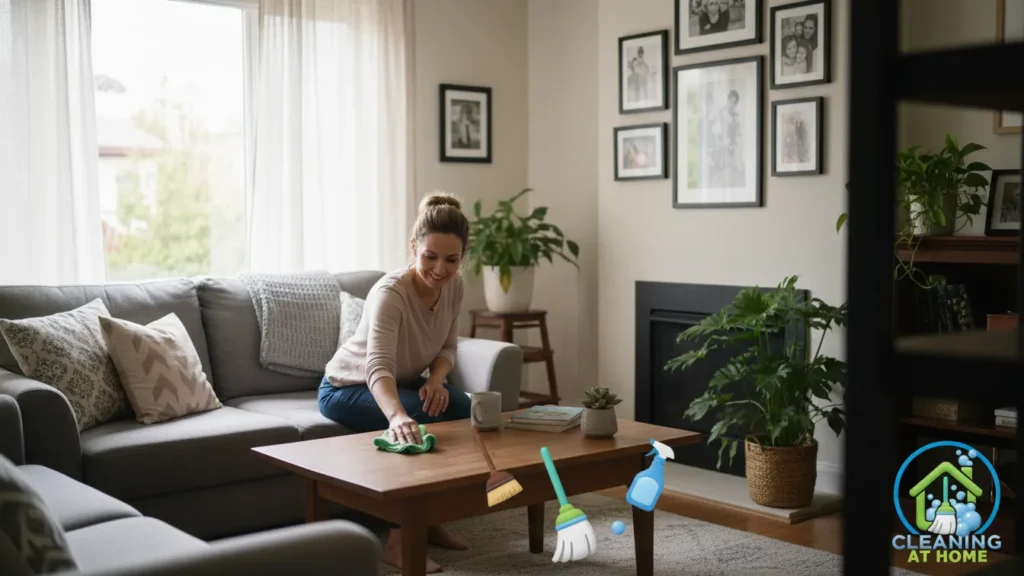

Why a Morning Cleaning Routine Makes the Day Easier
A morning cleaning routine may help set a calmer tone for the rest of the day. When you wake up to small areas already taken care of, your home feels more functional, even if it’s not perfectly clean. This sense of order can make everyday tasks feel lighter and more manageable.
One of the main benefits of a morning routine is preventing mess from piling up. Small actions done early—like clearing the kitchen counter or making the bed—reduce the chance of clutter growing throughout the day. Instead of reacting to a bigger mess later, you’re simply maintaining what’s already under control.
Another reason morning routines work well is mental clarity. Some people find that starting the day with a few simple tasks helps them feel more focused and less overwhelmed. A tidy space doesn’t mean a spotless house; it means fewer visual distractions competing for your attention as the day begins.
Morning cleaning routines are also easier to keep consistent because they rely on short, repeatable actions. You’re not trying to deep clean or organize everything. You’re creating a basic reset that supports the rest of your daily activities. Over time, these small habits may reduce the need for longer cleaning sessions later.
Most importantly, a realistic morning routine supports real life. It adapts to busy schedules, different household sizes, and energy levels. The goal is not perfection, but functionality—helping your home work for you from the very start of the day.

What “Realistic” Morning Cleaning Actually Means
When people hear “morning cleaning routine,” many imagine something time-consuming or exhausting. In reality, a realistic morning cleaning routine is about doing just enough to make your home function better throughout the day. It does not mean deep cleaning, organizing drawers, or scrubbing surfaces every morning.
A realistic routine focuses on tasks that make the biggest difference with the smallest effort. For some people, that might mean making the bed and clearing the kitchen counter. For others, it could be loading the dishwasher or doing a quick bathroom sink wipe. What matters is that the routine fits naturally into your morning, instead of competing with work, school, or family responsibilities.
Another key part of being realistic is accepting that mornings are not equal. Some days you have energy and time; other days you don’t. A realistic routine allows flexibility without guilt. Skipping a task doesn’t mean failure—it simply means adjusting to the day you’re having. Consistency over time matters more than perfection in one single morning.
Realistic morning cleaning also respects your household size and lifestyle. A home with children, pets, or multiple adults will never look the same every morning, and that’s normal. The goal is not a flawless space, but a manageable one.
In short, a realistic morning cleaning routine supports real life. It works with your schedule, your energy level, and your priorities, helping your home feel easier to live in—not harder to maintain.
How Much Time You Really Need in the Morning
One of the biggest barriers to starting a morning cleaning routine is the belief that it requires a lot of time. In reality, most effective morning routines take between 5 and 15 minutes. That small window is often enough to reset key areas of the home and make the rest of the day feel easier.
The goal is not to clean everything, but to focus on tasks that prevent chaos later. For example, spending a few minutes clearing the kitchen sink or loading the dishwasher can save you much more time in the evening. Making the bed or doing a quick floor check in high-traffic areas can instantly make a space feel more put together.
It’s also important to understand that time looks different for everyone. Some mornings allow for a calm start, while others are rushed. A realistic routine adapts to both. On slower mornings, you might complete all your core tasks. On busy days, even two or three minutes of effort can make a noticeable difference.
Another helpful mindset is to attach cleaning tasks to things you already do. While the coffee brews, you can wipe the counter. While brushing your teeth, you can rinse the sink. These small overlaps help cleaning feel less like an extra chore and more like part of your normal flow.
Ultimately, the time you need in the morning is less about the clock and more about intention. Short, consistent actions done daily may reduce stress, save time later, and help your home stay functional without requiring long cleaning sessions.

The 3–5 Non-Negotiable Morning Tasks
A realistic morning cleaning routine works best when it includes a short list of non-negotiable tasks. These are the actions that deliver the most impact with the least effort. Instead of trying to do everything, focusing on three to five essential tasks helps keep your home functional without overwhelming your morning.
One common non-negotiable task is clearing the kitchen sink and counters. A clean sink instantly makes the kitchen feel more organized, even if other areas are not perfect. Another high-impact task is making the bed. This simple action can visually transform a bedroom in less than a minute and set a productive tone for the day.
For many households, loading or unloading the dishwasher is another essential step. It prevents dishes from piling up and makes meal preparation easier later. A quick bathroom sink wipe may also be worth including, especially in busy homes where the bathroom is used frequently in the morning.
The exact list of non-negotiables will vary depending on your lifestyle. Homes with children may prioritize clearing floors of toys, while smaller households may focus more on shared spaces. The key is choosing tasks that directly support how your home functions during the day.
Keeping this list short is what makes it sustainable. When you know exactly which tasks matter most, you reduce decision fatigue and save time. Over time, these few consistent actions may prevent bigger messes and reduce the need for longer cleaning sessions later in the week.
Tasks You Can Skip Without Guilt
One of the biggest reasons morning cleaning routines fail is the pressure to do too much. A realistic routine includes knowing what you can safely skip without feeling guilty. Not every task needs to be done every morning, and understanding this helps keep your routine sustainable.
For example, vacuuming or sweeping entire floors is rarely necessary in the morning. These tasks take more time and are better suited for later in the day or weekly cleaning sessions. Unless there is visible debris that affects safety or comfort, floors can usually wait.
Another task you can skip is deep bathroom cleaning. Scrubbing the toilet, shower, or mirrors every morning is unnecessary for most households. A quick sink rinse or wipe may be enough to maintain cleanliness until a scheduled weekly clean.
You can also skip organizing clutter perfectly. Straightening items and putting obvious things away is helpful, but detailed organizing can easily consume time and energy. The goal is function, not perfection.
Laundry is another area where guilt often appears. Starting a load every morning is not required unless it fits naturally into your schedule. Many people find it easier to handle laundry on specific days rather than daily.
Letting go of guilt is essential. A morning cleaning routine should support your life, not add stress. Skipping certain tasks does not mean you are falling behind—it means you are prioritizing what truly matters. Over time, this balanced approach helps you stay consistent and avoid burnout, which is far more important than doing everything every single morning.
👉 Daily Cleaning Checklist (Simple & Flexible)

A Simple Morning Cleaning Order That Works
Having a clear order for your morning cleaning tasks can save time and reduce decision fatigue. When you know what to do first, second, and last, you avoid moving back and forth between rooms or wasting energy deciding what comes next. A simple order helps your routine feel smooth and easy to follow.
A practical approach is to start with tasks that create immediate visual impact. Making the bed or clearing the kitchen counter quickly changes how a space looks and feels. These early wins can make the rest of the routine feel lighter, even if your time is limited.
Next, focus on tasks that prevent mess from growing. Loading the dishwasher, rinsing the sink, or putting items back in their place helps stop clutter from building up during the day. These actions support your future self by reducing what you’ll have to deal with later.
If time allows, finish with quick surface resets in high-traffic areas. A fast bathroom sink wipe or a brief check of entryways can keep frequently used spaces functional without turning the routine into a deep clean.
The most important part of the order is flexibility. This sequence is meant to guide you, not control you. Some mornings you may skip steps or change the order, and that’s perfectly fine. Over time, you’ll naturally adjust the flow to match your home and lifestyle.
A simple, repeatable order helps turn morning cleaning into a habit instead of a chore. When the routine feels logical and manageable, consistency becomes much easier to maintain.
Morning Cleaning Routine for Busy Households
Busy households often feel like morning cleaning routines are unrealistic, but they don’t have to be. When multiple people share the same space—adults, children, and sometimes pets—the goal shifts from “keeping everything clean” to keeping the home functional during the busiest hours of the day.
In these homes, simplicity matters more than structure. A morning routine should focus on shared spaces that affect everyone, such as the kitchen, living area, and entryway. Clearing obvious clutter, loading dishes, and making sure walkways are safe and usable usually deliver the biggest impact with minimal effort.
It also helps to share responsibility, even in small ways. Children can be encouraged to put toys away or make their beds, while adults handle kitchen or bathroom resets. These tasks don’t need to be perfect; they just need to reduce chaos. Over time, these small contributions may support better habits without turning mornings into stressful checklists.
Another important adjustment is accepting that not every morning will go as planned. Some days will be rushed, noisy, or unpredictable. On those days, doing just one or two essential tasks is enough. Consistency across the week matters more than any single morning.
For busy households, the best morning cleaning routine is flexible, forgiving, and realistic. It supports daily life instead of competing with it. When routines adapt to real schedules and energy levels, they become easier to maintain—and far more effective in the long run.
👉 10–15 Minute Daily Cleaning Routine

Morning Cleaning Routine for Small Spaces
Living in a small space does not mean you need a complicated morning cleaning routine. In fact, smaller homes often benefit the most from short, focused cleaning habits. Because everything is closer together, small messes become noticeable quickly—but they’re also easier to manage with minimal effort.
A realistic morning routine for small spaces focuses on keeping surfaces clear and pathways open. Clearing the kitchen counter, making the bed, and putting away items left out overnight can instantly make the space feel larger and calmer. Even a few minutes of tidying can dramatically change how the home feels.
In small homes, it’s especially helpful to clean as you move. For example, when you leave a room, take one or two items with you and put them back where they belong. This habit reduces clutter without adding extra steps to your routine.
Another important consideration is avoiding over-cleaning. Deep cleaning or organizing every morning can quickly lead to frustration. Instead, focus on maintenance. A quick sink rinse, a fast wipe of a table, or a brief floor check in high-traffic areas is often enough.
Small spaces work best when routines stay simple and consistent. The goal is not to make the home look perfect, but to make it comfortable and functional for the day ahead. With a few well-chosen actions, morning cleaning can feel easy, even in the smallest of homes.
Common Morning Cleaning Mistakes to Avoid
Many people struggle with morning cleaning routines not because they are lazy, but because they fall into common mistakes that make the routine feel harder than it needs to be. Recognizing these mistakes is an important step toward creating a routine that actually works.
One frequent mistake is trying to do too much. Packing too many tasks into the morning often leads to frustration and inconsistency. When the routine feels overwhelming, it’s more likely to be skipped entirely. A morning routine should be short and focused, not a full cleaning session.
Another common issue is aiming for perfection. Expecting the house to look spotless every morning sets an unrealistic standard. Homes are lived in, especially in households with children, pets, or multiple adults. Perfection-focused routines tend to fail because they don’t match real life.
Many people also make the mistake of cleaning without a clear order. Jumping from room to room wastes time and energy. A simple sequence helps tasks flow more naturally and prevents unnecessary backtracking.
Skipping routines altogether after a “bad morning” is another trap. Missing one day does not undo your progress. Consistency over time matters far more than any single morning. A flexible mindset allows you to restart without guilt.
Finally, comparing your routine to others can be discouraging. What works for one household may not work for another. The most effective morning cleaning routine is the one that fits your space, schedule, and energy level. Avoiding these common mistakes can make your routine feel lighter, more realistic, and easier to maintain long term.

How to Make the Routine Faster Over Time
A morning cleaning routine often feels slow at first, especially when it’s new. This is completely normal. Over time, however, routines naturally become faster as actions turn into habits and decision-making decreases. The key is allowing this process to happen without forcing it.
One of the main reasons routines speed up is familiarity. When you repeat the same small tasks every morning, your body learns the sequence. You no longer stop to think about what comes next. Making the bed, clearing counters, or loading dishes becomes almost automatic, saving both time and mental energy.
Another way routines become faster is through environmental adjustments. As you notice small friction points—like not having cleaning supplies nearby or clutter building up in certain areas—you naturally adjust. Keeping a cloth under the sink or reducing items on counters can shave minutes off your routine without adding effort.
It also helps to let go of unnecessary steps. As you gain experience, you’ll realize which tasks truly matter and which ones can be skipped most days. This refinement is what makes routines efficient, not rigid.
Importantly, speed should never be the main goal. A routine that feels rushed or stressful is less likely to last. The real goal is ease. When a routine feels simple and manageable, it naturally becomes quicker over time.
By staying consistent and flexible, your morning cleaning routine may evolve into a smooth, efficient habit that supports your day without demanding extra time or energy.

How This Routine Fits Into Your Daily Cleaning System
A morning cleaning routine works best when it’s seen as part of a larger daily cleaning system, not as an isolated task. Instead of carrying the full responsibility of keeping the house clean, the morning routine plays a supportive role—it sets the stage for the rest of the day.
This routine helps create a baseline level of order. By resetting key areas in the morning, you reduce the amount of effort needed later. The home doesn’t start the day in chaos, which makes midday maintenance and evening resets feel lighter and more manageable.
A daily cleaning system usually includes small touchpoints throughout the day. The morning routine handles the initial reset. Later, short check-ins—like clearing dishes after meals or putting items back in place—maintain that baseline. In the evening, a brief reset prepares the home for the next day. Each part supports the others without overlapping too much.
Understanding this system prevents unrealistic expectations. The morning routine is not meant to replace weekly or monthly cleaning tasks. It simply reduces buildup and keeps daily life running more smoothly. When each part of the system has a clear role, cleaning feels more organized and less overwhelming.
When your morning routine fits naturally into your daily cleaning system, consistency becomes easier. You’re no longer “catching up” on mess—you’re maintaining a flow. Over time, this balanced approach may help your home feel cleaner with less effort, simply because tasks are spread out in a way that supports real life.
Keeping It Simple: The Key to Consistency
The most important factor in maintaining a morning cleaning routine is simplicity. Complex routines may look impressive, but they are rarely sustainable in real life. When cleaning feels easy and achievable, it becomes part of your day instead of a task you constantly resist.
Keeping things simple means focusing on actions that fit naturally into your routine. If a task feels heavy, stressful, or unrealistic, it’s unlikely to last. A simple routine respects your time, energy level, and priorities. It allows you to show up consistently, even on busy or low-energy mornings.
Consistency does not come from doing more—it comes from doing less, more often. Small daily actions may seem insignificant on their own, but over time they create noticeable results. A few minutes spent resetting key areas each morning can reduce clutter, stress, and the need for long cleaning sessions later.
Another benefit of simplicity is flexibility. When your routine is short and clear, it’s easier to adjust without giving up entirely. You can scale it down on hard days and expand it slightly when time allows, without breaking the habit.
Ultimately, a simple morning cleaning routine supports your life instead of controlling it. It helps your home stay functional without demanding perfection. By keeping your routine realistic and manageable, you create a habit that lasts—one that works quietly in the background, making daily life a little easier every day.