Why Daily Cleaning Is Hard to Turn Into a Habit
Daily cleaning is often harder to turn into a habit than people expect, even when the tasks themselves are simple. The difficulty usually doesn’t come from the cleaning—it comes from how daily cleaning fits into real life. Unlike weekly or monthly tasks, daily cleaning competes with routines that are already full.
One major challenge is inconsistency in daily schedules. Wake-up times, work hours, family responsibilities, and energy levels can change from day to day. Habits rely on repetition, but daily life rarely looks the same every day. When cleaning doesn’t have a stable place in the routine, it’s easy to skip.
Another reason daily cleaning is hard to maintain is mental resistance. Cleaning is often associated with effort, obligation, or perfection. Even small tasks can feel heavier when they’re mentally framed as “something else I have to do.” This resistance makes it harder for cleaning to become automatic.
Daily cleaning also struggles against unrealistic expectations. Many people believe daily cleaning should result in a perfectly tidy home. When that result doesn’t happen, motivation drops. Habits weaken when effort doesn’t seem to produce visible payoff.
There’s also the issue of delayed rewards. Daily cleaning prevents future mess rather than creating dramatic results right away. Because the benefits aren’t immediate, it’s harder for the brain to connect the action with a reward.
Understanding why daily cleaning is hard to turn into a habit helps remove self-blame. The challenge isn’t a lack of discipline—it’s a mismatch between expectations and reality. Once this is understood, it becomes easier to build a habit that actually fits into everyday life.

What Makes a Cleaning Habit Actually Stick
A cleaning habit only sticks when it fits naturally into everyday life. Many routines fail not because people don’t try hard enough, but because the habit is built on unrealistic expectations. For a daily cleaning habit to last, it needs to feel easy, repeatable, and flexible.
One of the most important elements of a lasting habit is low effort. Habits stick when they don’t require a lot of motivation to start. Daily cleaning works best when tasks are small enough to be done even on tired or busy days. When a routine depends on high energy or long time blocks, it becomes fragile.
Another key factor is consistency over intensity. Doing a little bit every day is far more effective than doing a lot occasionally. Habits grow through repetition, not through big efforts. Even short daily actions help reinforce the behavior and make it feel normal.
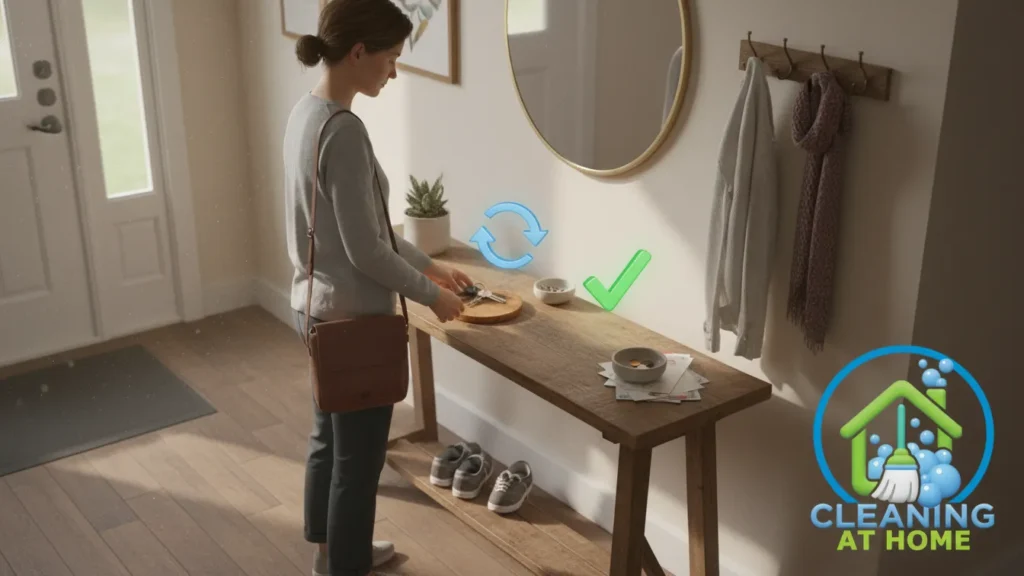
A cleaning habit also sticks better when it’s tied to an existing routine. For example, cleaning after dinner or before bed connects the habit to something that already happens daily. This makes it easier to remember and reduces the need for reminders or motivation.
Flexibility is equally important. Life changes, and habits that don’t allow adjustment tend to break. A habit that allows skipped days or reduced effort without guilt is more likely to survive busy periods.
Finally, a habit sticks when expectations are realistic. Daily cleaning doesn’t need to create a perfect home. Its purpose is maintenance, not transformation. When the goal matches reality, the habit feels achievable.
A cleaning habit that actually sticks is one that respects time, energy, and real life. When built around simplicity, repetition, and flexibility, daily cleaning becomes easier to maintain over the long term.
Starting Small: The Foundation of Lasting Habits
Starting small is the foundation of any habit that lasts, and daily cleaning is no exception. Many people fail to build a cleaning habit because they begin with routines that are too big, too detailed, or too demanding. When a habit feels heavy from the start, it quickly becomes something to avoid.
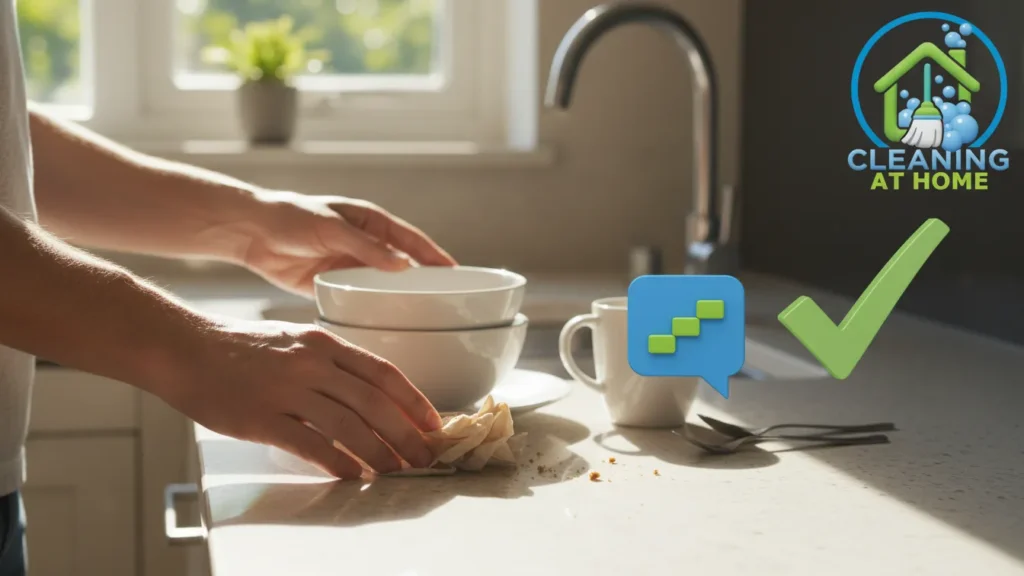
Small actions are powerful because they are easy to repeat. A habit doesn’t grow from doing a lot once—it grows from doing a little many times. For daily cleaning, this might mean focusing on one simple task, such as clearing the kitchen sink or putting a few items back in place. These actions may seem insignificant, but repetition is what turns them into habits.
Starting small also lowers resistance. When a task feels manageable, the brain is less likely to push back. There’s less negotiation, less procrastination, and less need for motivation. This makes it easier to begin, even on busy or low-energy days.
Another benefit of starting small is that it builds confidence. Completing a small task creates a sense of follow-through. Over time, this reinforces the belief that daily cleaning is something you can actually maintain. Confidence grows from consistency, not from effort alone.
Small habits are also more flexible. If life gets busy, a small task can still fit into the day. Larger routines are more likely to be skipped entirely when schedules change.
Starting small doesn’t mean staying small forever. As the habit becomes familiar, it can naturally expand. The key is that growth happens gradually, without pressure.
By beginning with the smallest possible version of daily cleaning, you create a habit that fits real life. This approach makes consistency achievable—and consistency is what allows a cleaning habit to truly stick.
Choosing the Right Time of Day for Daily Cleaning
Choosing the right time of day for daily cleaning can make the difference between a habit that sticks and one that keeps falling apart. The best time is not the same for everyone, and it doesn’t need to be “ideal” to be effective. What matters most is consistency and fit with daily life.
Many people assume cleaning needs to happen at a specific time, such as early in the morning or late at night. In reality, a habit sticks better when it aligns with natural energy patterns. Some people feel more focused in the morning, while others have more energy in the evening. Daily cleaning should fit where it feels easiest, not where it feels forced.
Another helpful approach is tying cleaning to an existing routine. Cleaning after dinner, before bed, or after the last meal of the day connects the habit to something that already happens consistently. This reduces the need to remember or decide when to clean.
Time flexibility is also important. The right time of day doesn’t need to be exact. A cleaning habit that only works at one precise moment is fragile. A habit that works within a general window—such as “sometime in the evening”—is more resilient.
It’s also important to consider emotional energy. Cleaning at a time when stress is already high can create resistance. Choosing a calmer moment helps cleaning feel lighter and more automatic.
The right time for daily cleaning is the one you can repeat most days without effort or negotiation. When cleaning fits naturally into the rhythm of the day, it becomes easier to maintain. Over time, this consistency helps the habit become part of daily life instead of something that constantly needs to be restarted.
How Repetition Builds a Cleaning Habit Naturally
Repetition is what turns daily cleaning from an effort into a habit. Without repetition, even the best routines remain occasional actions rather than something automatic. The goal of daily cleaning is not to rely on motivation, but to create familiarity through consistent practice.
When a task is repeated regularly, the brain starts to recognize it as part of the normal day. This reduces resistance over time. At first, daily cleaning may feel intentional and slightly uncomfortable. With repetition, it becomes expected—and eventually automatic.
Repetition works best when the task stays simple and predictable. Doing the same small actions each day—such as clearing the sink or resetting a shared space—helps the brain form patterns. Constantly changing tasks or adding complexity can slow this process and make the habit harder to maintain.
Another benefit of repetition is reduced decision-making. When cleaning happens the same way and at roughly the same time each day, there is less need to think about what to do. This makes starting easier, especially on busy or low-energy days.
Repetition also builds trust in the routine. Over time, you begin to see that small daily actions prevent bigger problems. This reinforces the habit naturally, without the need for strict rules or reminders.
It’s important to understand that repetition doesn’t require perfection. Missing a day doesn’t break the habit. What matters is returning to the routine consistently. Habits grow from patterns, not streaks.
By repeating small cleaning actions day after day, daily cleaning becomes part of the background of life. It no longer feels like a task that needs motivation—it becomes something you do because it’s simply part of how the day flows. This natural integration is what allows a cleaning habit to truly stick.
The Role of Environment in Supporting Cleaning Habits
The environment plays a powerful role in whether a daily cleaning habit sticks or fades. Habits are easier to maintain when the surroundings support the behavior, rather than working against it. When cleaning feels complicated by the environment, even simple routines can become hard to repeat.
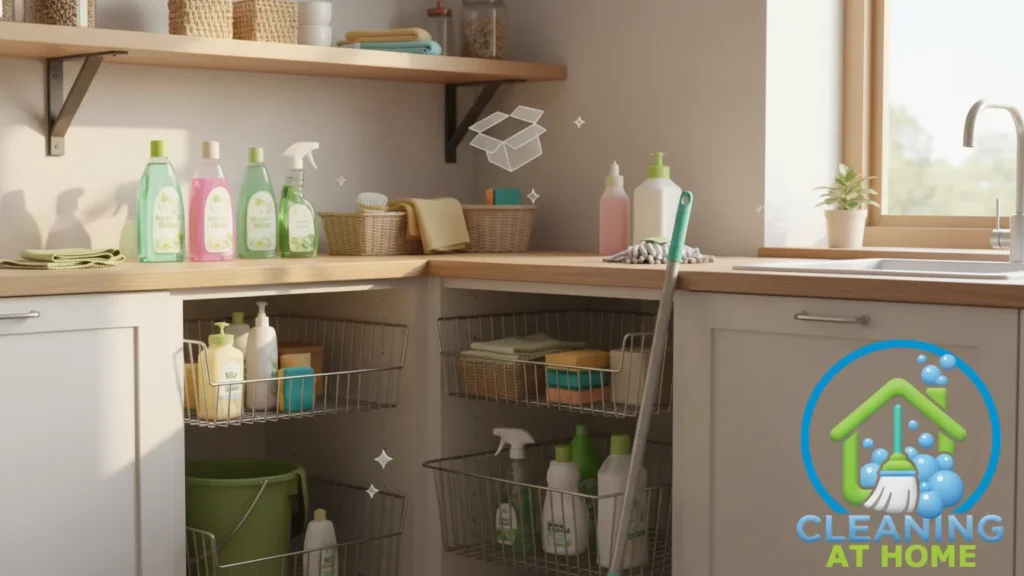
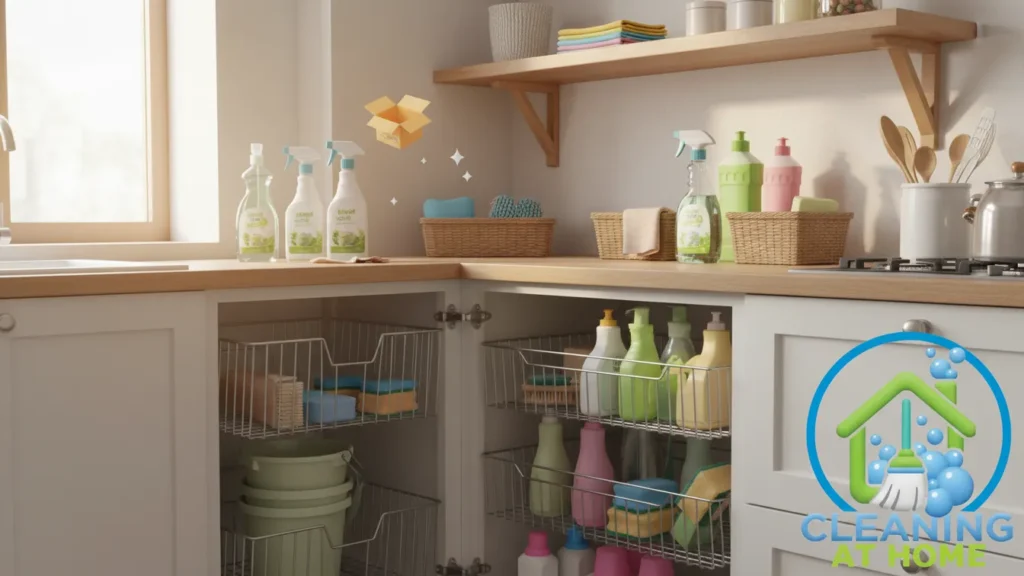
One important factor is accessibility. When cleaning tools are easy to reach, tasks feel quicker and less demanding. If supplies are hidden, hard to find, or stored far from where they’re needed, cleaning becomes easier to postpone. A supportive environment removes small barriers that create resistance.
Another key element is visual clarity. Spaces that are already crowded or overfilled make cleaning feel harder than it actually is. When surfaces are overloaded with items, even small resets can feel overwhelming. Reducing excess clutter makes daily cleaning faster and more achievable.
The environment also influences habits through cues. Seeing a clear counter, an empty sink, or a tidy entryway can act as a reminder to maintain it. These visual cues reinforce the habit without requiring conscious effort. Over time, the environment itself encourages maintenance.
Consistency in layout helps as well. When items have a regular place, returning them becomes easier and more automatic. Daily cleaning works best when it involves simple resets, not decisions about where things should go.
Importantly, a supportive environment doesn’t mean a perfect home. It means a space arranged to make small actions easier. Adjusting storage, simplifying surfaces, and keeping tools accessible all help cleaning fit naturally into daily life.
When the environment supports cleaning habits, less motivation is needed. The space quietly guides behavior, making daily cleaning feel lighter, faster, and easier to repeat over time.
How to Recover When the Habit Breaks
Even the most consistent daily cleaning habits will break at some point. Busy weeks, illness, travel, or unexpected changes can interrupt routines, and this is completely normal. What determines whether a habit truly sticks is not avoiding breaks, but knowing how to recover without frustration or guilt.
The first step in recovery is letting go of the idea that the habit is “lost.” Missing a few days does not erase progress. Habits are patterns built over time, not fragile streaks that disappear after one interruption. Viewing breaks as temporary pauses helps reduce resistance to restarting.
Another important part of recovery is starting small again. After a break, it’s tempting to try to catch up by doing everything at once. This often backfires and creates overwhelm. Returning with one simple task—like clearing a surface or handling dishes—is usually enough to rebuild momentum.
Avoiding self-criticism is also essential. Feeling guilty or disappointed can make cleaning feel emotionally heavy, which increases avoidance. A supportive mindset focuses on what can be done now, not on what was skipped before.
It also helps to reconnect the habit to an existing routine. After a break, linking cleaning to a familiar moment—such as after dinner or before bed—can make restarting feel easier and more automatic.
Finally, it’s useful to see breaks as feedback rather than failure. If a habit keeps breaking at the same point, it may need to be simplified or adjusted. This flexibility is what allows habits to last long term.
Recovering from a break doesn’t require motivation or discipline—it requires kindness and simplicity. When recovery feels easy, daily cleaning becomes a habit that can survive real life, not just ideal conditions.
👉 Night Cleaning Reset Before Bed
Common Mistakes That Prevent Cleaning Habits From Sticking
Many daily cleaning habits fail not because people don’t try, but because small mistakes quietly undermine consistency. These mistakes are common and often unintentional, which is why they’re so easy to repeat without noticing.
One of the most frequent mistakes is starting with too much. When a cleaning habit includes too many tasks, it quickly feels overwhelming. Large routines require more time, energy, and motivation than most days allow. This makes the habit fragile and easy to abandon.
Another common issue is depending on motivation. Motivation fluctuates, especially during busy or stressful periods. Habits that only work when motivation is high rarely last. Daily cleaning needs to function even on tired, low-energy days to truly stick.
Rigid rules are another problem. When a habit allows no flexibility—no skipped days, no reduced effort—it creates pressure. As soon as the routine is broken, people may feel like they’ve failed and give up entirely. Flexibility is essential for long-term success.
Perfectionism also plays a role. Expecting visible results or a perfectly clean home every day can lead to disappointment. When effort doesn’t match expectations, the habit loses appeal. Daily cleaning works best when the goal is maintenance, not perfection.
Another mistake is poor timing. Choosing a time of day that regularly conflicts with other responsibilities makes the habit harder to repeat. When cleaning competes with rest or family time, resistance grows.
Recognizing these common mistakes helps remove frustration from the process. Building a cleaning habit isn’t about discipline—it’s about design. When habits are simple, flexible, and realistic, they are far more likely to stick over time.
How Long It Really Takes to Build a Cleaning Habit
Many people ask how long it really takes to build a daily cleaning habit, expecting a clear number of days or weeks. In reality, habit formation is less about time and more about repetition and fit. A habit doesn’t suddenly appear after a fixed period—it gradually becomes easier and more automatic.
One reason this question is confusing is that daily cleaning habits vary in complexity. A habit made of one small task, such as clearing the sink, forms much faster than a habit that includes multiple steps. Simpler actions require less effort and are easier to repeat consistently, which helps them stick sooner.
Consistency also matters more than intensity. Doing a small task most days creates familiarity, even if some days are skipped. Habits grow from patterns, not perfect streaks. Missing a day doesn’t reset progress—it’s the overall repetition that counts.
Another important factor is emotional resistance. When cleaning feels heavy or stressful, habit formation slows down. When it feels light and manageable, the habit settles in more naturally. This is why habits tied to low-pressure routines tend to stick faster.
It’s also common for people to notice change gradually. At first, cleaning feels intentional. Later, it feels expected. Eventually, it feels automatic. This transition doesn’t happen overnight, but it doesn’t require months of struggle either when the habit is small.
Rather than focusing on a timeline, it’s more helpful to focus on ease. When daily cleaning starts to feel easier than skipping it, the habit is taking hold. By keeping tasks simple and repeatable, a daily cleaning habit can begin to stick in a matter of weeks—sometimes even sooner—without forcing or frustration.
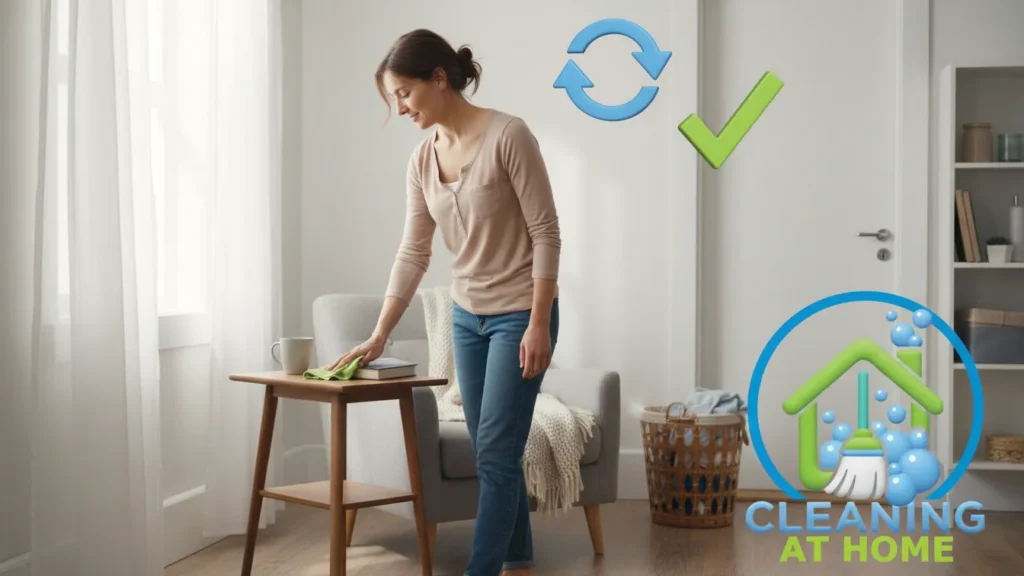
👉 Daily Cleaning Checklist (Simple & Flexible)
Why Motivation Fades but Habits Remain
Motivation is often seen as the key to building new habits, but when it comes to daily cleaning, motivation is unreliable. It naturally rises and falls depending on energy, mood, stress, and life circumstances. This is why routines built only on motivation tend to collapse over time.
Motivation works best at the beginning, when something feels new or inspiring. Starting a cleaning routine may feel easy for a few days, but as novelty fades, motivation often drops. When cleaning depends on motivation alone, skipped days become more frequent.
Habits, on the other hand, don’t rely on feeling motivated. A habit continues because it’s familiar and expected. Once daily cleaning becomes part of the normal flow of the day, it requires less mental effort. You don’t need to feel like cleaning—you simply do it because it’s what usually happens next.
Another reason habits remain when motivation fades is reduced decision-making. Habits remove the question of “Should I clean today?” When cleaning is automatic, it no longer competes with rest, work, or other priorities. It becomes neutral, not emotional.
Habits also survive low-energy days better than motivation-based routines. On tired or stressful days, motivation may be completely absent, but a small habit can still happen because it feels manageable and familiar.
This is why building a daily cleaning habit should focus on repetition and simplicity rather than inspiration. Motivation can help you start, but it won’t carry you through busy seasons.
When daily cleaning is built as a habit, it stays in place even when motivation fades. That stability is what makes cleaning routines sustainable over the long term—supporting real life instead of depending on perfect conditions.
How This Habit Fits Into a Simple Cleaning System
A daily cleaning habit works best when it’s part of a simple cleaning system rather than a standalone task. When cleaning is seen as one connected piece of a larger routine, it becomes easier to maintain and less mentally demanding.
In a simple cleaning system, daily cleaning handles maintenance, not deep cleaning. Its role is to keep mess from building up between weekly or monthly cleaning sessions. Tasks like clearing dishes, resetting shared spaces, or doing quick surface wipes help preserve order without requiring large time commitments.
This habit also supports other routines naturally. When daily cleaning is consistent, weekly cleaning becomes faster and more focused. There’s less clutter to move, fewer surprises, and less catching up to do. Instead of starting from chaos, deeper cleaning starts from a manageable baseline.
Another advantage of fitting daily cleaning into a system is predictability. When each type of cleaning has its place—daily for maintenance, weekly for deeper tasks—cleaning stops feeling random or urgent. This structure reduces stress and helps prevent burnout.
A simple system also allows flexibility. If daily cleaning is skipped occasionally, the system still works. You simply return to maintenance without needing to “fix everything.” This prevents the all-or-nothing thinking that often breaks routines.
Importantly, a system doesn’t require complexity. It doesn’t need schedules, charts, or strict rules. It just needs clear roles for daily, weekly, and occasional tasks.
When a daily cleaning habit fits into a simple system, it feels purposeful rather than repetitive. It becomes an essential support layer—keeping the home functional and making all other cleaning easier to manage over time.
Maintaining a Daily Cleaning Habit Over the Long Term
Maintaining a daily cleaning habit over the long term depends less on discipline and more on sustainability. Habits last when they continue to fit into life as it changes, not when they rely on constant effort or motivation. A cleaning habit that feels supportive is far more likely to remain consistent over time.
One key factor is regular simplification. As routines evolve, there is often a temptation to add more tasks. While adjustments are natural, adding too much can slowly make the habit heavier. Periodically returning to the basics helps keep the habit light and manageable. If the habit feels difficult to start, it may need to be simplified again.
Another important element is accepting imperfect consistency. Long-term habits are not built on daily perfection. There will be busy weeks, low-energy days, and skipped routines. What matters is returning to the habit without guilt. This mindset prevents small breaks from turning into complete abandonment.
Maintaining a habit also means allowing it to change with life stages. What works during one season may not work during another. Adjusting timing, tasks, or expectations keeps the habit aligned with current realities instead of outdated routines.
Environmental support continues to matter long term. Keeping tools accessible, surfaces manageable, and storage simple helps reduce friction. When the environment supports the habit, less effort is required to maintain it.
Finally, it helps to remember the purpose of the habit. Daily cleaning is not about control or perfection—it’s about protecting time, reducing stress, and keeping the home functional. When the habit stays connected to these benefits, it remains meaningful.
A daily cleaning habit that sticks long term is one that adapts, forgives, and stays simple. When it continues to fit real life, it becomes a natural part of daily routine rather than something that needs constant restarting.