
What People Usually Mean by “Regular Cleaning”
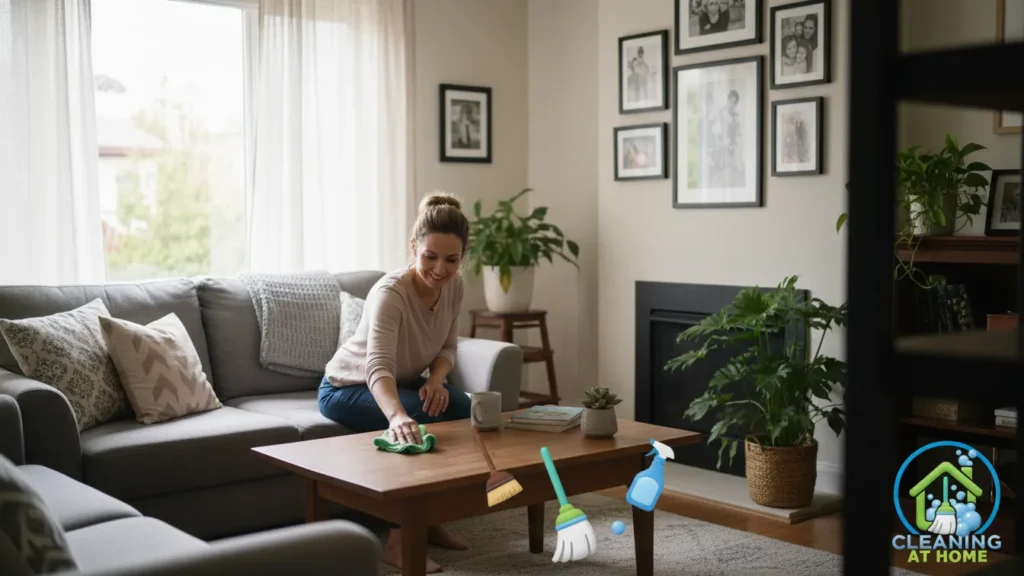
When people talk about “regular cleaning,” they’re usually referring to the basic tasks that keep a home looking tidy and functional on a day-to-day basis. This type of cleaning focuses on visible messes, high-use areas, and hygiene essentials rather than deep or detailed work. It’s the kind of cleaning most households rely on to stay comfortable throughout the week.
Regular cleaning typically includes things like wiping kitchen counters, cleaning sinks, taking out the trash, vacuuming or sweeping floors, and doing quick bathroom cleanups. These tasks are repeated often because they deal with dirt and clutter that appear quickly. Food crumbs, water splashes, dust, and fingerprints don’t take long to build up, so regular cleaning prevents them from getting out of control.
Another key characteristic of regular cleaning is speed. Most tasks are designed to be done quickly and fit into a routine. You’re not pulling everything out of cabinets or scrubbing hard-to-reach areas. Instead, the goal is to restore order and cleanliness with minimal effort. This is why regular cleaning works well as a daily or weekly habit.
It’s also important to understand what regular cleaning is not. It’s not meant to remove long-term buildup, reach hidden areas, or address neglected spaces. That doesn’t make it ineffective—it just means it has a specific role. Regular cleaning maintains cleanliness between deeper cleanings and keeps your home livable and pleasant.
When done consistently, regular cleaning reduces stress and makes your home easier to manage. It creates a baseline of cleanliness that supports other routines and prevents messes from piling up too quickly.

What Deep Cleaning Really Is (and What It’s Not)
Deep cleaning is often misunderstood. Many people assume it means cleaning everything at once, spending an entire day scrubbing, or making the house look perfect. In reality, deep cleaning is not about intensity or perfection—it’s about reach and detail.
Deep cleaning focuses on areas that regular cleaning doesn’t touch. These are places where dirt builds up slowly and quietly, such as grout lines, baseboards, inside appliances, behind furniture, vents, and corners that are easy to ignore. Deep cleaning targets long-term buildup rather than everyday mess.
One important thing to understand is what deep cleaning is not. It is not something that should happen every week. Doing deep cleaning too often usually leads to burnout and frustration. It’s also not meant to replace regular cleaning. Skipping regular cleaning and relying only on occasional deep cleaning actually makes the process harder and more overwhelming.
Deep cleaning is also different from organizing. While some deep-cleaning tasks may involve clearing out a space to clean it properly, the main goal is cleaning—not decluttering or redesigning your home. Mixing these goals together is one reason deep cleaning feels so exhausting for many people.
When done correctly, deep cleaning is intentional and limited. It’s planned, focused, and spaced out over time. Instead of trying to clean everything deeply at once, deep cleaning works best when specific tasks are addressed periodically as part of a broader routine.
Understanding what deep cleaning really is—and what it isn’t—helps you use it wisely. When paired with consistent regular cleaning, deep cleaning becomes manageable and effective rather than stressful or overwhelming.
The Core Difference Between Deep Cleaning and Regular Cleaning
The main difference between deep cleaning and regular cleaning comes down to purpose and depth, not effort. Regular cleaning is designed to manage everyday messes, while deep cleaning is meant to remove buildup that develops slowly over time. Understanding this distinction helps you choose the right approach instead of doing more work than necessary.
Regular cleaning focuses on what you see and use most often. It keeps surfaces clean, floors clear, and spaces functional. Its role is maintenance. Deep cleaning, on the other hand, focuses on what you don’t usually notice—hidden grime, accumulated dust, and areas that are easy to overlook. Its role is correction and prevention.
Another key difference is frequency. Regular cleaning happens often because daily life creates mess quickly. Deep cleaning happens less frequently because buildup takes time. Trying to treat deep cleaning like a weekly task usually leads to exhaustion, while treating regular cleaning as optional causes dirt to pile up faster than expected.
The tools and mindset are also different. Regular cleaning is quick and routine-based. Deep cleaning requires more attention, patience, and sometimes moving items or working in smaller sections. That doesn’t mean deep cleaning is harder—it just requires a different pace and intention.
Most importantly, these two types of cleaning are not interchangeable. Regular cleaning cannot replace deep cleaning, and deep cleaning cannot compensate for skipped regular cleaning. When they’re confused or mixed together, people often feel like they’re cleaning constantly without seeing lasting results.
When each type of cleaning is used for its correct purpose, your home stays cleaner with less effort overall. Regular cleaning maintains order, while deep cleaning resets problem areas—together, they create a balanced and sustainable cleaning system.
Tasks That Belong to Regular Cleaning
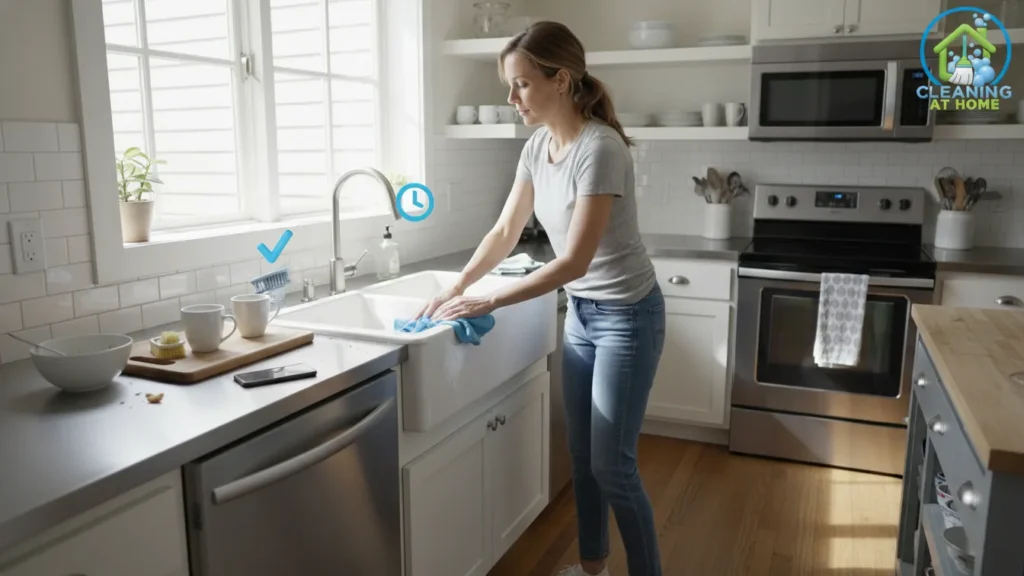
Regular cleaning includes the tasks that keep your home functional, comfortable, and hygienic from day to day. These are the activities designed to manage messes that appear quickly and need frequent attention. When done consistently, regular cleaning prevents clutter and dirt from building up faster than you can handle.
Most regular cleaning tasks focus on high-use areas. In the kitchen, this usually means wiping countertops, cleaning the sink, washing dishes, and taking out the trash. In bathrooms, regular cleaning covers wiping surfaces, cleaning the toilet, rinsing the shower or tub, and emptying trash bins. These are tasks that support basic hygiene and comfort.
Floors are another major part of regular cleaning. Sweeping, vacuuming, or mopping high-traffic areas helps control dust, crumbs, and pet hair before they spread through the house. These tasks are typically done weekly—or more often in busy households—because dirt accumulates quickly.
Regular cleaning also includes light tidying. Putting items back where they belong, clearing clutter from visible surfaces, and doing quick resets at the end of the day help maintain order without requiring a lot of time or energy. This type of cleaning is about restoring balance, not achieving perfection.
What defines regular cleaning is not how hard the task feels, but how often it needs to be done. These tasks are repeated because daily life creates mess naturally. When regular cleaning becomes a habit, your home stays manageable—and deeper cleaning tasks become far less overwhelming.
Tasks That Are Considered Deep Cleaning
Deep cleaning tasks focus on areas that regular cleaning doesn’t reach. These tasks deal with buildup that forms slowly over time, often in places that are out of sight or easy to ignore. While they don’t need to be done often, they play a key role in keeping your home truly clean and preventing long-term issues.
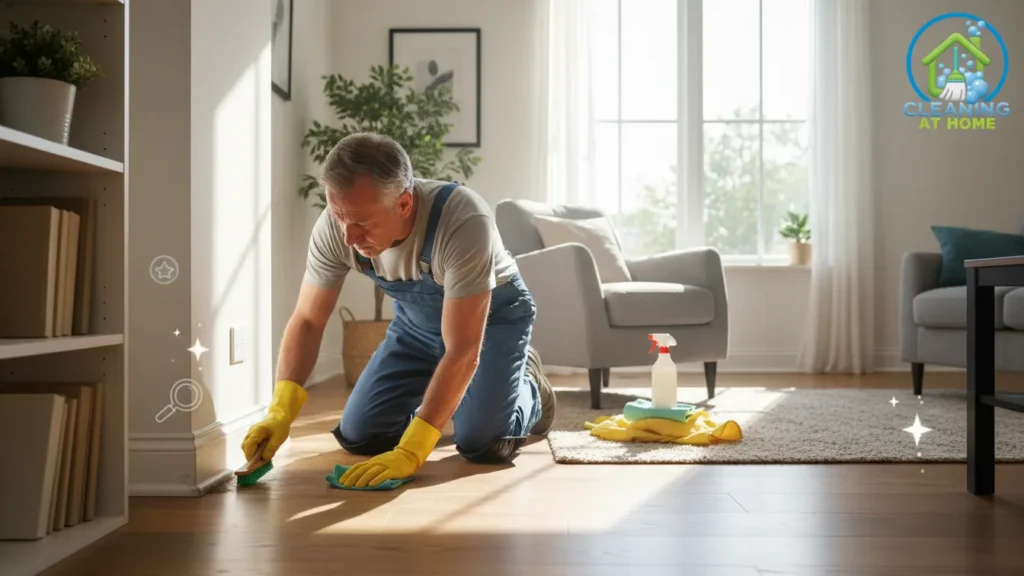
One common category of deep cleaning tasks involves hidden or hard-to-reach areas. This includes cleaning behind and underneath furniture, wiping baseboards, scrubbing grout lines, and cleaning corners where dust and grime collect. These spots may not look dirty at first, but they steadily accumulate buildup that affects the overall cleanliness of a room.
Inside appliances are another major part of deep cleaning. Cleaning the refrigerator shelves, oven interior, microwave, dishwasher filter, and washing machine drum helps prevent odors, residue, and reduced performance. These tasks go beyond surface wiping and require more attention, which is why they aren’t part of regular cleaning routines.
Deep cleaning also includes detailed surface work. This might mean washing walls, cleaning doors and door frames, wiping cabinet fronts, or cleaning light fixtures and vents. These areas are touched or exposed to dust regularly but aren’t usually cleaned often enough to prevent buildup without scheduled deep cleaning.
What defines a deep cleaning task is not how difficult it is, but how rarely it needs to be done. These tasks restore areas that regular cleaning maintains. When deep cleaning is spaced out and planned intentionally, it becomes manageable and supports a cleaner, healthier home over time.
👉 Monthly Cleaning Checklist (Room by Room)
How Often Regular Cleaning Should Be Done
Regular cleaning works best when it follows a predictable rhythm. Because it deals with messes created by everyday living, it needs to happen often enough to prevent dirt and clutter from building up faster than you can manage.
For most homes, regular cleaning tasks fall into daily and weekly categories. Daily tasks usually include small resets, such as wiping kitchen counters, washing dishes, and putting items back in their place. These quick actions take very little time but make a noticeable difference in how manageable your home feels.
Weekly regular cleaning focuses on tasks that need a bit more attention. This often includes vacuuming or sweeping floors, cleaning bathrooms, changing bed linens, and taking out trash. Weekly cleaning keeps hygiene under control and prevents daily mess from turning into long-term buildup.
How often regular cleaning should be done also depends on lifestyle. Homes with children, pets, or high foot traffic may need certain tasks done more frequently, while smaller or quieter households may need less. The key is consistency, not perfection.
When regular cleaning is done too infrequently, mess builds up quickly and makes cleaning feel overwhelming. When it’s done too often, it can lead to burnout. Finding a balanced routine that fits your home and schedule is what keeps regular cleaning sustainable and effective over time.
How Often Deep Cleaning Is Actually Necessary
Deep cleaning doesn’t need to happen as often as many people think. In fact, doing it too frequently is one of the main reasons it feels exhausting and overwhelming. Deep cleaning is most effective when it’s scheduled intentionally and spaced out over time.
For most homes, deep cleaning tasks are needed on a monthly or seasonal basis, not weekly. Areas like baseboards, vents, inside appliances, and behind furniture don’t accumulate dirt overnight. Addressing them once every few months is usually enough to keep buildup under control.
How often deep cleaning is necessary also depends on how consistent your regular cleaning is. Homes with solid daily and weekly routines often need less frequent deep cleaning because buildup never gets out of hand. When regular cleaning is skipped, deep cleaning becomes more urgent and time-consuming.
Lifestyle plays a role as well. Households with pets, children, allergies, or high traffic may need certain deep-cleaning tasks more often. For example, vacuuming under furniture or cleaning vents may be needed more frequently in these situations, even if other deep-cleaning tasks can wait.
The most important thing to remember is that deep cleaning should be planned, not reactive. Instead of waiting until your home feels out of control, scheduling deep cleaning tasks in advance keeps them manageable. When deep cleaning is done at the right frequency, it supports your regular routine instead of competing with it.
👉 Best Order to Clean Your House Weekly

Why Deep Cleaning Feels So Overwhelming
Deep cleaning often feels overwhelming not because it is inherently difficult, but because of how it’s usually approached. Many people wait too long to do it, combine too many tasks at once, or expect unrealistic results in a single session. These patterns turn what should be a focused, limited process into an exhausting experience.
One major reason deep cleaning feels heavy is task overload. When deep cleaning is postponed for months or even years, dirt and buildup accumulate in many areas at the same time. Instead of dealing with one problem area, people suddenly face baseboards, vents, appliances, walls, and furniture all needing attention. The sheer volume of tasks creates mental resistance before the cleaning even begins.
Another issue is mixing deep cleaning with other goals. Deep cleaning often gets combined with organizing, decluttering, or even redecorating. While these activities can overlap, they require different types of energy and decision-making. When you try to clean deeply and reorganize everything at the same time, the process slows down and quickly becomes frustrating.
Expectations also play a big role. Many people believe deep cleaning should result in a “perfect” home. This mindset adds pressure and turns cleaning into a performance instead of maintenance. When perfection becomes the goal, every task feels heavier, and it’s easy to lose motivation halfway through.
Time perception is another factor. Deep cleaning usually takes longer than regular cleaning, but people often underestimate how much time detailed work requires. When a task takes longer than expected, it can feel like failure rather than progress. This is why deep cleaning works better when broken into smaller sessions instead of one long day.
Finally, deep cleaning feels overwhelming when it’s reactive rather than planned. Waiting until a space feels “out of control” creates urgency and stress. When deep cleaning is scheduled intentionally—spread out across months or seasons—it becomes predictable and manageable.
Deep cleaning itself isn’t the problem. The overwhelm comes from timing, expectations, and approach. When deep cleaning is treated as a supportive part of your overall routine, rather than a punishment for neglect, it becomes far less intimidating and much more effective.
How Regular Cleaning Reduces the Need for Deep Cleaning
Regular cleaning plays a much bigger role in deep cleaning than most people realize. When everyday and weekly tasks are done consistently, they prevent the kind of buildup that turns deep cleaning into an exhausting, all-day event. In many cases, strong regular cleaning habits can significantly reduce how often deep cleaning is even necessary.
The main reason regular cleaning helps is that it interrupts buildup early. Dust, grease, soap residue, and grime all start small. Wiping surfaces, vacuuming floors, and cleaning sinks regularly keeps these materials from settling into hard-to-clean layers. When buildup never gets established, deep cleaning tasks become lighter and faster.
Regular cleaning also keeps problem areas visible. When surfaces are cleaned often, you’re more likely to notice early signs of dirt in less obvious places—such as sticky cabinet handles, dusty baseboards, or residue inside appliances. Catching these issues early means they can be handled quickly instead of becoming major projects later.
Another benefit is efficiency. Homes with consistent regular cleaning usually require less scrubbing, fewer strong products, and less physical effort during deep cleaning. Tasks like cleaning grout, vents, or appliances are still necessary, but they take less time and feel less demanding when buildup is minimal.
There’s also a mental advantage. When regular cleaning is part of your routine, deep cleaning stops feeling like a punishment for neglect. Instead, it becomes a simple maintenance step. This shift in mindset makes it easier to plan deep cleaning intentionally rather than avoiding it until things feel overwhelming.
In short, regular cleaning doesn’t eliminate the need for deep cleaning—but it greatly reduces its intensity. Together, they create a balanced system where your home stays cleaner with less stress and far less effort overall.

Which Type of Cleaning Your Home Needs Right Now
Knowing whether your home needs regular cleaning or deep cleaning starts with observation, not guesswork. Many people default to deep cleaning because things feel overwhelming, when what they actually need is a more consistent regular routine. Others stick to surface cleaning for too long and wonder why their home never feels fully clean. The key is understanding the signals your home is giving you.
If your home feels messy quickly after cleaning, regular cleaning may be the issue. This usually means daily or weekly tasks aren’t happening often enough. Clutter on surfaces, dusty floors, and bathrooms that feel used again within a day or two are signs that regular cleaning needs more consistency—not more intensity.
On the other hand, if your home looks clean but doesn’t feel clean, deep cleaning may be needed. Lingering odors, sticky cabinets, dusty vents, grimy grout, or buildup inside appliances are signs that deeper tasks have been postponed for too long. In this case, repeating regular cleaning won’t solve the problem, because the issue lies below the surface.
Another way to tell is by effort. If regular cleaning suddenly feels much harder than usual—requiring more scrubbing, more time, or stronger products—that’s often a sign that deep cleaning is overdue. Regular cleaning should feel manageable. When it doesn’t, something deeper is likely being neglected.
It’s also possible that your home needs a mix of both. Many households benefit from strengthening regular cleaning habits while slowly reintroducing deep-cleaning tasks over time. This balanced approach prevents burnout and restores control without turning cleaning into a major project.
Instead of asking, “How much should I clean?” ask, “What kind of cleaning will actually help right now?” When you respond to your home’s real needs, cleaning becomes more effective—and far less overwhelming.
Common Mistakes When Mixing Deep and Regular Cleaning
One of the most common cleaning mistakes is blending deep cleaning and regular cleaning into the same routine without clear boundaries. When these two types of cleaning are mixed incorrectly, people often feel like they’re cleaning all the time without seeing lasting results.
A frequent mistake is turning regular cleaning into deep cleaning. This happens when simple weekly tasks slowly expand into scrubbing grout, pulling out appliances, or cleaning every corner. While this might feel productive at first, it quickly leads to exhaustion and makes regular cleaning feel heavier than it should be. Regular cleaning should stay light and repeatable.
Another common issue is skipping regular cleaning and relying on deep cleaning instead. Some people wait until things feel out of control and then attempt a full deep clean. This approach usually backfires because deep cleaning becomes overwhelming, time-consuming, and discouraging. Without regular cleaning in place, deep cleaning has to work much harder to compensate.
Many people also make the mistake of combining deep cleaning with decluttering and organizing at the same time. While these tasks can overlap, they require different decisions and energy. Mixing them often causes delays, frustration, and unfinished projects. Separating cleaning from organizing helps each task feel more manageable.
Timing mistakes are another problem. Doing deep cleaning too often leads to burnout, while waiting too long makes tasks harder than necessary. Without a clear schedule, people tend to clean reactively instead of intentionally.
The biggest mistake of all is treating cleaning as punishment for falling behind. When regular and deep cleaning have clear roles, cleaning becomes maintenance—not a response to guilt or stress. Keeping these routines separate but coordinated is what makes cleaning feel sustainable instead of overwhelming.

How to Balance Both Without Overworking Yourself
Balancing deep cleaning and regular cleaning doesn’t require doing more—it requires doing the right things at the right time. Many people feel exhausted by cleaning not because they lack effort, but because their routines aren’t structured in a sustainable way. The goal is balance, not intensity.
The first step is to let regular cleaning stay simple. Regular tasks should feel repeatable and realistic, even on busy weeks. When daily and weekly cleaning are kept light, they support your home without draining your energy. This consistency creates a stable baseline that makes everything else easier.
Deep cleaning should be treated as planned maintenance, not an emergency response. Instead of waiting until your home feels out of control, schedule deep-cleaning tasks gradually—one area or category at a time. Spreading these tasks across months or seasons prevents them from piling up into overwhelming projects.
Another important part of balance is separating tasks mentally. Regular cleaning maintains cleanliness; deep cleaning restores it. When you stop expecting regular cleaning to solve deep problems—or deep cleaning to fix skipped routines—you reduce frustration and wasted effort.
It also helps to adjust expectations. A balanced cleaning system doesn’t aim for perfection. It aims for control, comfort, and sustainability. Some months will feel smoother than others, and that’s normal. Progress matters more than flawless results.
When deep cleaning and regular cleaning work together instead of competing, cleaning stops feeling like a constant chore. Your home stays manageable, routines feel lighter, and effort is spread evenly over time. That balance is what keeps your home clean without overworking yourself.