
Bad Cleaning Habits That Make Cleaning Take Much Longer Than It Should
If cleaning always feels like it takes more time than it should, the problem is rarely the size of your home or the amount of mess. In most cases, it’s the habits behind the routine. Many people spend extra hours cleaning each week without realizing that the way they clean is what’s slowing them down.
Time-wasting cleaning habits don’t usually look like mistakes. They feel responsible. You clean often, you try to stay on top of things, and you put in the effort. Yet cleaning still stretches longer than expected and never seems fully finished. That frustration often comes from habits that create repetition, interruptions, and unnecessary work.
One of the biggest reasons cleaning takes too long is doing more than necessary. Overcleaning areas that don’t need daily attention, repeating tasks out of habit, or trying to keep everything perfect every day adds time without adding real value. When effort isn’t matched to actual need, cleaning expands to fill whatever time is available.
Another major factor is lack of structure. Cleaning without a method leads to backtracking, switching rooms constantly, and restarting tasks that were never fully finished. Each interruption — answering a message, moving to another room, starting a different task — breaks focus. When you return, you lose momentum and often redo work you already started.
There’s also a mental side to time-wasting habits. Many people clean reactively, driven by stress or discomfort rather than observation. This leads to touching the same areas multiple times, fixing things that aren’t problems yet, and spreading tasks throughout the day instead of completing them efficiently in one go. What feels like “staying on top of things” often becomes constant low-level cleaning that never truly ends.
These habits are especially common in busy households. When time is limited, people rush, multitask, and clean in fragments. Ironically, this makes cleaning take longer overall. Short, scattered efforts add up to more time than focused, intentional sessions.
This article isn’t about cleaning faster or doing everything at once. It’s about recognizing which habits quietly steal your time. When those habits are removed, cleaning naturally becomes shorter, lighter, and easier to manage — without lowering your standards or changing your entire routine.
In the next sections, we’ll break down the most common cleaning habits that waste time and explain why they slow you down. Once you see them clearly, it becomes much easier to stop doing more work than your home actually requires.
Cleaning the Same Thing Twice Without Realizing It
Cleaning the same thing twice is one of the biggest hidden time-wasters in daily routines. It rarely feels inefficient in the moment, because the repetition isn’t intentional. Most people don’t decide to redo a task — it just happens naturally as part of an unstructured routine.
This usually starts with cleaning too early or without considering how the space will be used afterward. For example, wiping kitchen counters before cooking, sweeping floors before everyone is done moving through the room, or tidying a surface that will be used again within minutes. The task gets done, undone, and then done again later.
Another common cause is cleaning without finishing a space. You might start wiping a room, leave to handle something else, and then return later only to redo areas you already touched. Because there was no clear endpoint, the brain doesn’t register the task as “complete,” making repetition more likely.
Cleaning the same thing twice also happens when tasks are spread throughout the day instead of grouped with intention. Light cleaning here and there feels manageable, but it often adds up to more total time than handling the task once, properly, at the right moment.
This habit is especially draining because it creates the feeling of working nonstop without visible progress. You’re busy, but the house doesn’t seem any cleaner. Over time, this leads to frustration and the belief that cleaning is endless.
Avoiding this mistake doesn’t require stricter rules or longer sessions. It simply means paying attention to timing. Waiting until a space is done being used, finishing one area before moving on, and letting “good enough” be enough can eliminate a surprising amount of repeated work.
When each task is done once — and done at the right time — cleaning naturally takes less effort and far less time.
Overcleaning Areas That Don’t Need Daily Attention
Overcleaning is one of the most common habits that quietly wastes time. It often comes from good intentions — wanting the home to feel consistently clean — but it creates extra work without real benefits. Many people clean certain areas every single day simply because it feels responsible, not because it’s necessary.
This usually shows up in spaces that aren’t used heavily. Shelves with no dust, rooms that haven’t been occupied, decorative surfaces, or floors that haven’t seen foot traffic often get cleaned daily out of routine. The effort feels productive, but it doesn’t improve cleanliness in any meaningful way.
The main problem with overcleaning is frequency mismatch. When tasks are done more often than needed, they consume time that could be saved or redirected. Daily cleaning routines become longer, even though the home isn’t dirtier. Over time, this creates the sense that cleaning takes up far too much of the day.
Overcleaning can also increase wear on surfaces. Constant wiping, vacuuming, or product use on low-use areas leads to unnecessary maintenance. Ironically, trying to keep things “extra clean” can cause more issues than leaving them alone.
Another reason overcleaning wastes time is that it distracts from what actually needs attention. While energy is spent on spotless areas, high-use zones may be cleaned too quickly or skipped altogether. This imbalance leads to repeated work and frustration.
Efficient cleaning isn’t about maximum effort — it’s about matching effort to real use. Letting low-traffic areas rest while focusing on spaces that truly need daily care shortens routines without lowering standards. When cleaning frequency is aligned with reality, time stops leaking away through unnecessary repetition.

Starting to Clean Without Any Method or Plan
Starting to clean without a method is one of the fastest ways to waste time. When there’s no plan — even a loose one — cleaning becomes reactive. You move based on what catches your eye instead of following a clear flow, and that usually leads to backtracking, interruptions, and unfinished tasks.
This habit often begins with good intentions. You notice something dirty and decide to handle it right away. Then you see something else in another room, switch tasks, and leave the first one half done. By the end, you’ve touched many areas but completed very few. Cleaning feels long and scattered, even though a lot of energy was spent.
Without a method, it’s easy to work against yourself. You might clean low surfaces before higher ones, move items multiple times, or switch tools repeatedly. Each change costs time and focus. What should be a straightforward routine turns into a series of small delays that quietly add up.
Another issue is decision fatigue. When there’s no plan, your brain has to constantly decide what to do next. That mental effort slows you down and makes cleaning feel heavier than it actually is. Instead of moving smoothly from one task to the next, you pause, rethink, and restart over and over again.
Cleaning doesn’t need a rigid checklist to be efficient. A simple method — such as finishing one room before moving on, working top to bottom, or grouping similar tasks — is often enough. The goal isn’t perfection, but flow.
When cleaning follows even a basic plan, tasks connect naturally. You waste less time, repeat less work, and finish faster. A small amount of structure removes friction and turns cleaning into a process instead of a series of interruptions.
Jumping Between Rooms Instead of Finishing One Space
Jumping between rooms while cleaning is a habit that feels efficient but usually wastes a surprising amount of time. Many people move from space to space reacting to what they notice, thinking they’re being productive by handling things as they go. In reality, this scattered approach often creates more work and slows everything down.
When you start cleaning one room and leave it unfinished to address something elsewhere, you break your momentum. Tools get left behind, tasks remain incomplete, and when you return later, you often need to reorient yourself. That reset time — figuring out what was already done and what still needs attention — quietly adds minutes to every session.
This habit also leads to repeated movement. Walking back and forth between rooms to grab supplies, throw something away, or wipe a quick surface might not seem significant, but over the course of a day, it adds up. Instead of cleaning efficiently, you spend extra time transitioning rather than completing tasks.
Another issue is mental fragmentation. Switching rooms forces your brain to shift focus repeatedly. Each space has different needs, tools, and steps. Constantly changing environments increases fatigue and makes it harder to feel finished anywhere. You may clean for a long time yet still feel like nothing is truly done.
Finishing one space at a time creates clarity. When a room is completed before moving on, the result is visible and satisfying. It also reduces the chance of needing to return later to redo small tasks that were missed or rushed.
Efficient cleaning isn’t about touching every room — it’s about completing spaces with intention. By staying in one room until it’s finished, you reduce movement, avoid repetition, and shorten your overall cleaning time without rushing or lowering standards.
Interrupting Cleaning Tasks and Having to Restart Later
Interruptions are one of the biggest reasons cleaning takes longer than expected. Many people start a task with good intentions, get pulled away by something else, and assume they’ll pick up right where they left off. In reality, interrupted cleaning almost always leads to restarting rather than continuing.
When a task is interrupted, focus is broken. Tools are set down, surfaces are left half-finished, and mental notes about what still needs to be done fade quickly. When you return later, you often don’t trust what was already cleaned, so you redo parts of it “just to be sure.” What should have been one task turns into two.
Interruptions also stretch cleaning across the day. Instead of a clear start and finish, cleaning becomes a series of fragments. This makes it feel like you’re cleaning all day, even if the total time spent isn’t extreme. The lack of closure is mentally exhausting and makes routines feel heavier than they are.
Another issue is inefficiency with tools and setup. Restarting a task often means gathering supplies again, rewetting cloths, or reloading tools. These small resets seem minor, but repeated several times a day, they quietly add up to significant wasted time.
Busy homes make interruptions unavoidable, but the habit of constantly stopping mid-task makes cleaning less efficient than it needs to be. Whenever possible, finishing a task before switching to another creates momentum and saves time later.
Even short, focused bursts are more effective than long, interrupted ones. Completing one task fully — even if it’s small — reduces repetition, limits setup time, and helps daily cleaning feel contained instead of endless.
Doing Small Cleaning Tasks Randomly Throughout the Day
Doing small cleaning tasks randomly throughout the day is a habit that feels productive but often wastes more time than it saves. Many people wipe a surface here, pick something up there, and do quick fixes whenever they notice a mess. While this approach seems efficient, it usually creates constant interruptions rather than real progress.
When cleaning is scattered, it breaks focus repeatedly. Each small task requires a mental switch: stopping what you’re doing, grabbing a cloth or tool, handling the mess, and then trying to return to your original activity. These transitions take more time than most people realize, especially when they happen over and over again.
Another issue is duplication. Random cleaning often means touching the same areas multiple times in one day. A quick wipe in the morning, another in the afternoon, and a final pass in the evening can easily take longer than cleaning the area once, properly, at the right moment. What feels like staying on top of things quietly turns into repeated work.
This habit also makes cleaning feel endless. Because tasks are spread out, there’s no clear start or finish. You may feel like you’ve been cleaning all day, even though nothing required a long session. That constant low-level effort is mentally draining and makes cleaning feel heavier than it should.
Efficient routines benefit from contained cleaning time. Grouping small tasks together — even for just a short window — reduces interruptions and limits repetition. Instead of cleaning reactively all day, you clean with intention for a defined period.
Small tasks don’t disappear when they’re grouped. They simply stop stealing time throughout the day. By reducing random cleaning and creating simple boundaries, routines become calmer, more efficient, and far easier to manage.
👉 Common Cleaning Myths at Home
Reorganizing When You Should Be Cleaning
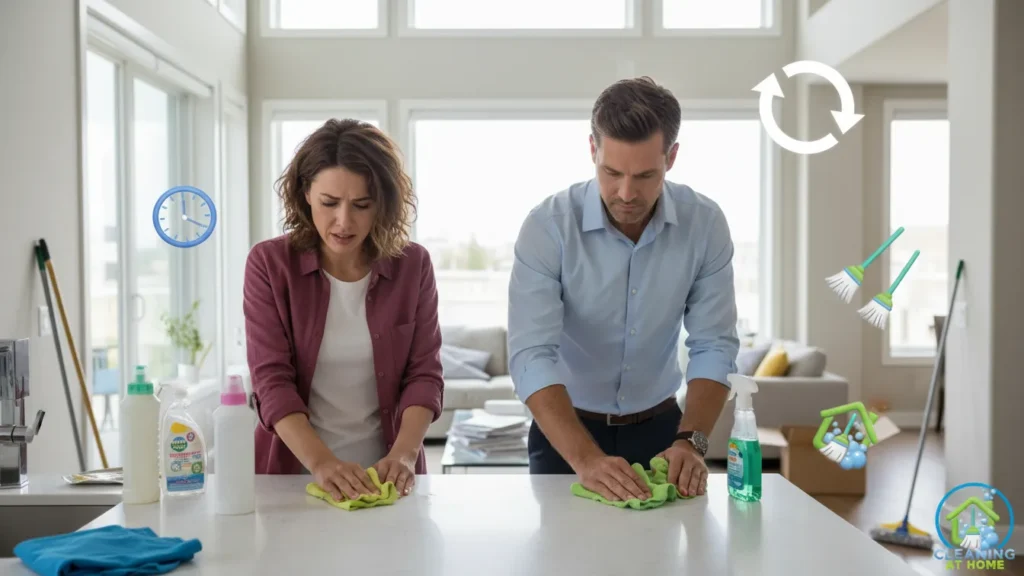
Reorganizing while you’re supposed to be cleaning is a habit that feels useful but often wastes a significant amount of time. It usually starts with good intentions. You begin cleaning a surface, notice items out of place, and decide to reorganize them “properly” before continuing. What should have been a simple task quickly turns into a longer project.
The main issue is that organizing and cleaning are two different activities. Cleaning focuses on removing dirt, dust, and mess. Organizing focuses on deciding where things belong. When these two are mixed together, cleaning slows down dramatically. You stop wiping to sort, move items around, rethink storage, and get distracted from the original task.
This habit often leads to unfinished cleaning. Surfaces stay partially dirty because time runs out while reorganizing. Later, you have to come back and clean again, turning one task into two. What felt like being thorough actually creates repetition and frustration.
Reorganizing during cleaning also increases decision fatigue. Every item requires a choice: keep it here, move it there, find a new place. These small decisions add mental load and make cleaning feel heavier and more exhausting than it needs to be.
Efficient routines separate these activities. Daily cleaning works best when it stays simple and focused. Items can be moved quickly to their usual places without overthinking. Deeper organizing can be saved for a separate moment, when you have the time and energy to do it properly.
By resisting the urge to reorganize during cleaning, you protect your time. Cleaning gets done faster, more completely, and with less mental strain — leaving organization as a choice, not an interruption.
Using Inefficient Tools or Setups That Slow You Down
Using inefficient tools or an unprepared setup is a hidden habit that quietly adds time to every cleaning session. Many people assume cleaning takes longer because the task itself is demanding, when in reality the slowdown often comes from working with tools that make the job harder than it needs to be.
This can look like using worn-out cloths that don’t pick up dirt well, dull broom bristles that push debris instead of collecting it, or vacuum attachments that aren’t suited for the surface being cleaned. When tools don’t perform properly, tasks take longer and often need to be repeated.
Another common issue is poor setup. Starting to clean without everything you need nearby leads to constant interruptions. Walking back and forth to grab supplies, refill products, rinse tools, or search for missing items breaks momentum and stretches cleaning time unnecessarily. Each small delay adds up.
Inefficient setups also encourage shortcuts. When tools are inconvenient or hard to use, people tend to rush, skip steps, or clean less thoroughly — which leads to faster re-dirtying and more frequent cleaning later. What feels like saving time actually creates more work down the line.
Efficient cleaning doesn’t require expensive tools or complex systems. It simply means using tools that are appropriate, clean, and ready to go. Keeping basic supplies in good condition and setting up before you start allows tasks to flow smoothly from beginning to end.
When tools work with you instead of against you, cleaning naturally becomes faster. Less effort is wasted, fewer tasks need repeating, and time stops slipping away through avoidable friction in your routine.
Cleaning Based on Anxiety Instead of Actual Need
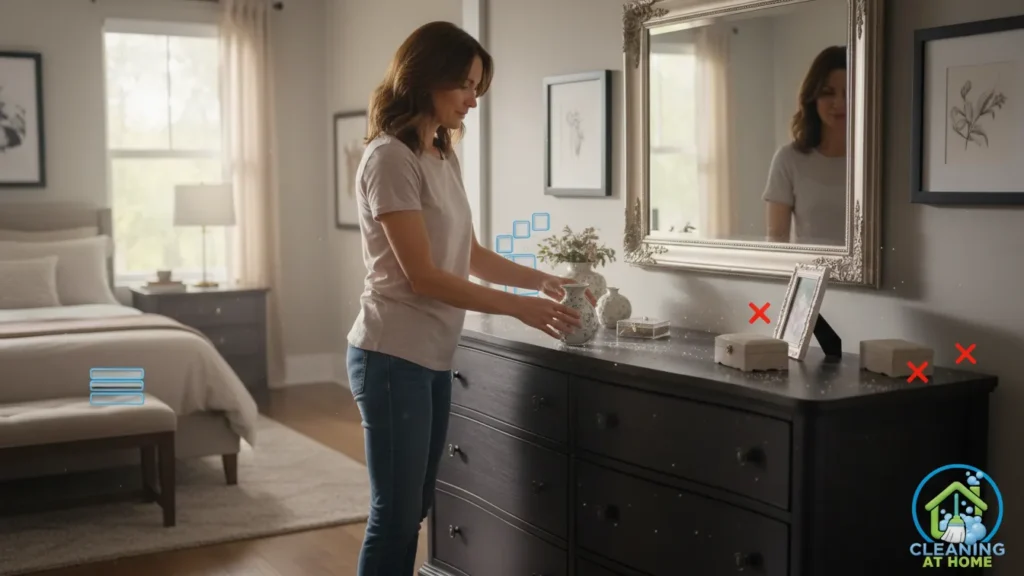
Cleaning based on anxiety rather than actual need is a habit that quietly wastes time and energy. It often comes from discomfort, not dirt. You notice something slightly out of place, feel uneasy, and start cleaning even though the space doesn’t truly require attention.
This type of cleaning is reactive. Instead of observing what needs to be done, actions are driven by the urge to feel in control or relieve stress. As a result, the same surfaces are touched repeatedly, items are adjusted over and over, and tasks are performed without clear purpose. What feels calming in the moment often becomes exhausting over time.
Anxiety-driven cleaning usually lacks boundaries. There’s no clear start or finish, which makes it easy to drift from one small task to another. You might wipe a counter, adjust pillows, straighten items, and then repeat the cycle later the same day. Time slips away without noticeable improvement in cleanliness.
Another issue is that this habit blurs the line between maintenance and compulsion. Cleaning becomes a response to emotion instead of a practical routine. When that happens, effort increases while results stay the same, leading to frustration and the sense that cleaning never truly ends.
Efficient cleaning is intentional. It’s based on what the home actually needs at that moment, not on discomfort or pressure to keep everything perfect. Pausing briefly to assess whether a task is necessary helps prevent unnecessary repetition.
By separating emotional impulses from real cleaning needs, routines become calmer and more efficient. Cleaning regains its role as a supportive habit instead of a time-consuming response to stress.
Trying to Do Everything Instead of Prioritizing What Matters
Trying to do everything during a cleaning session is a habit that almost always leads to wasted time. Many people start cleaning with the goal of handling as much as possible, believing that covering more tasks means better results. In practice, this approach spreads effort too thin and slows everything down.
When everything feels equally important, nothing is truly prioritized. You move from task to task without finishing properly, touching many areas but completing very few. This creates the illusion of productivity while leaving behind unfinished work that needs attention again later. Cleaning sessions become longer, yet less effective.
This habit often comes from unrealistic expectations. There’s a quiet pressure to keep the entire home clean at all times. Instead of focusing on what actually needs attention that day, people try to reset everything at once. The result is fatigue, frustration, and routines that feel overwhelming rather than manageable.
Trying to do everything also increases decision fatigue. Each new task requires a choice: clean this now or later, move on or finish, handle another room or stay put. These constant decisions slow progress and drain energy, making cleaning feel harder than it should be.
Efficient cleaning is selective. It focuses on what brings the most impact with the least effort. Prioritizing high-use areas, visible messes, and functional spaces allows cleaning to feel complete even if not everything is touched.
Letting go of the need to do everything doesn’t mean lowering standards. It means cleaning with clarity. When effort is directed toward what truly matters, routines become shorter, more effective, and far less exhausting — saving time without sacrificing results.
How Breaking Time-Wasting Cleaning Habits Saves Hours Each Week
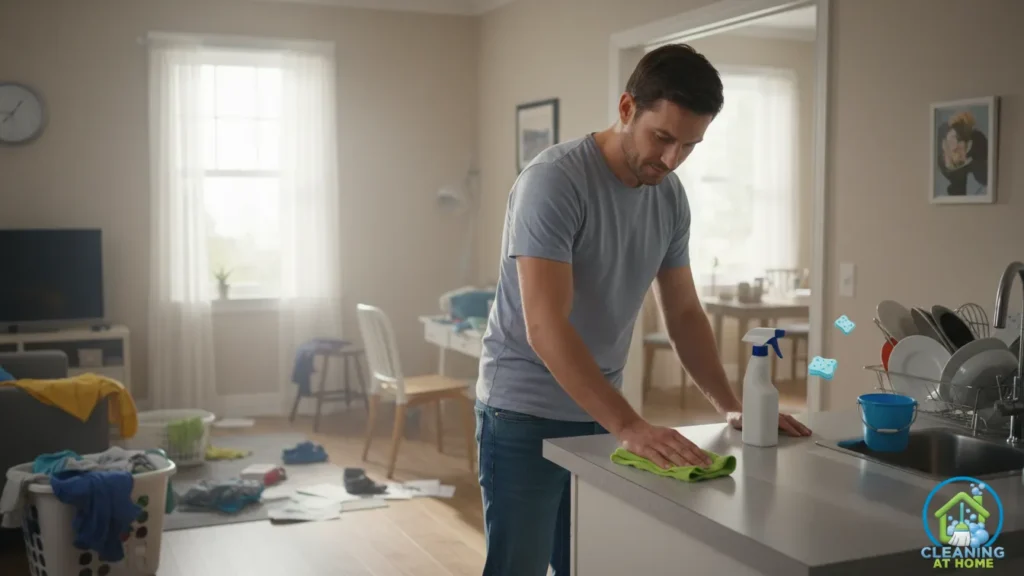
Breaking cleaning habits that waste time doesn’t require extreme changes or longer cleaning sessions. The biggest gains come from removing friction, not adding effort. When inefficient habits are eliminated, cleaning naturally becomes faster without feeling rushed or incomplete.
One of the first benefits people notice is fewer repetitions. Tasks are done once, at the right moment, and don’t need to be revisited later. Finishing rooms fully, using a simple method, and avoiding unnecessary cleaning all reduce the need to redo work. This alone can reclaim a significant amount of time over the course of a week.
Another improvement is better focus. When cleaning is contained and intentional, there’s less mental switching between tasks. Fewer interruptions and clearer priorities allow you to move through routines with momentum instead of constant resets. Cleaning stops spreading throughout the day and becomes something with a clear beginning and end.
Letting go of overcleaning also creates space in your routine. Time previously spent on low-impact tasks is freed up, either to rest or to focus on what truly matters in your home. Instead of feeling like cleaning never ends, it becomes predictable and manageable.
There’s also a noticeable mental shift. When cleaning no longer feels endless, stress decreases. Confidence in your routine grows because you can see that your effort leads to real results. That confidence helps prevent anxiety-driven cleaning and reduces the urge to “fix” things that don’t need attention.
Saving hours each week isn’t about moving faster. It’s about working smarter. By breaking habits that waste time, you create a routine that respects both your home and your energy — one that keeps things clean without taking more time than necessary.