Minimalist Cleaning for Busy Homes: Clean Less by Managing Less
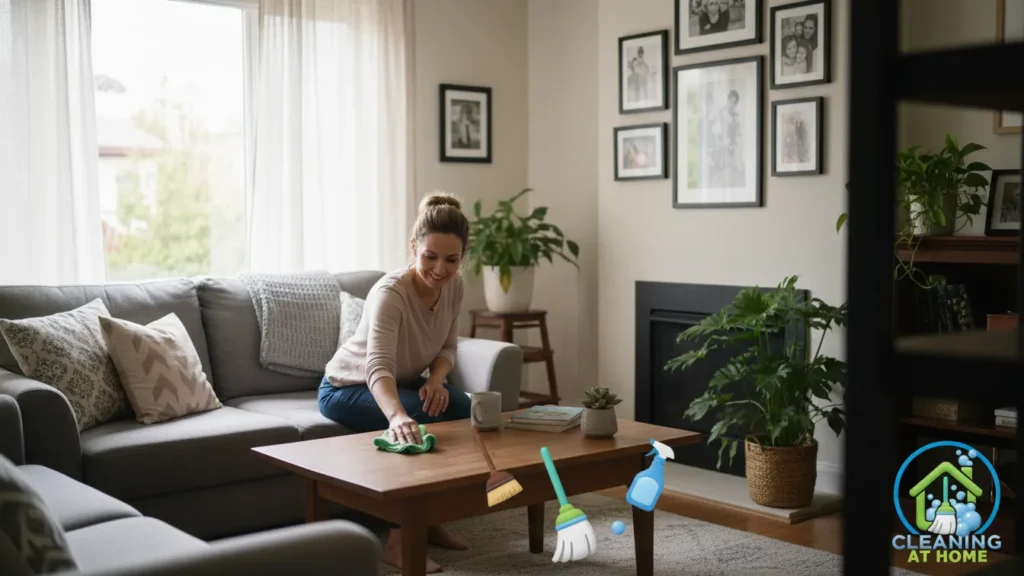
Minimalist cleaning for busy homes isn’t about owning fewer things for aesthetic reasons. It’s about reducing how much you have to manage every day so cleaning becomes faster, lighter, and far less demanding. When life is busy, the biggest problem isn’t lack of effort — it’s excess maintenance.
Every item in a home requires attention. It needs space, cleaning around it, moving before wiping, and putting back in place. When there are too many items, cleaning turns into a constant cycle of tidying before you can even start cleaning. This is why many people feel like they’re always cleaning but never finished.
Minimalist cleaning focuses on function, not style. The goal is not empty rooms or strict minimalism. The goal is a home that supports daily life without creating extra work. Fewer items on surfaces, fewer objects to move, and fewer decisions automatically shorten cleaning routines.
In busy homes, time and energy are limited. When cleaning requires managing clutter, choosing between products, and navigating crowded spaces, it becomes overwhelming quickly. By managing less, you remove barriers. Surfaces become easier to wipe. Floors become quicker to clean. Resetting a room takes minutes instead of effort.
Another important benefit is mental relief. A home with less visual noise feels calmer, even before cleaning begins. This reduces the urge to overclean or constantly “fix” things throughout the day. When there’s less to notice, there’s less pressure to act.
Minimalist cleaning also makes routines more consistent. When cleaning is simple, it’s easier to maintain. You don’t need motivation or long blocks of time. Small resets are enough to keep the home under control.
This approach doesn’t require big purges or dramatic changes. It starts with awareness: noticing what creates extra mess, extra decisions, and extra work. When you manage less, cleaning naturally asks less of you.
For busy homes, that’s the real win — not cleaning faster, but needing to clean less in the first place.
Why Having Fewer Things Makes Cleaning Faster
Cleaning becomes faster when there’s simply less to deal with. Every extra item in a home adds a small layer of work — not just during cleaning, but before cleaning even starts. When there are fewer things, those layers disappear, and cleaning naturally speeds up without extra effort.
More items mean more obstacles. Before you can wipe a surface, you have to move things. Before you can vacuum, you have to pick things up. Before a room feels clean, it has to be reset. These steps aren’t always noticed individually, but together they consume a lot of time and energy.
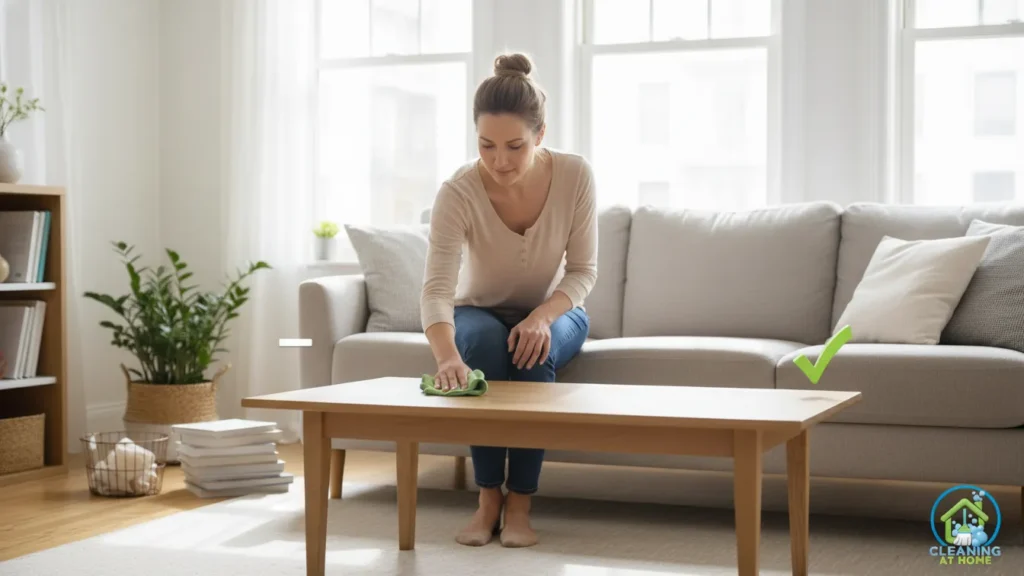
Having fewer things reduces pre-cleaning work. Surfaces that are mostly clear can be wiped in seconds. Floors with fewer objects are faster to vacuum or sweep. Shelves with fewer items collect less dust and take less time to maintain. Cleaning becomes a single action instead of a multi-step process.
Fewer items also reduce decision-making. When there’s less stuff, there’s less wondering where things should go, what needs organizing, or what should be moved temporarily. Cleaning flows more smoothly because there are fewer interruptions and fewer choices to make along the way.
Another benefit is reduced mess creation. When spaces are crowded, items tend to pile up on top of each other. A clear surface naturally discourages clutter. With fewer things competing for space, mess grows more slowly, which means cleaning is needed less often.
Importantly, having fewer things doesn’t mean lacking what you need. It means keeping what actually supports daily life and letting go of what creates constant maintenance. This balance makes homes easier to manage, especially when time is limited.
When you have fewer things, cleaning doesn’t require speed, pressure, or long sessions. It becomes faster because there’s less in the way. Less to move. Less to clean around. Less to reset. And that simplicity is what truly saves time.
Minimalism for Cleaning, Not for Decoration
Minimalist cleaning is often misunderstood as a design choice, but in busy homes, it’s a practical cleaning strategy, not a decorative one. This approach has nothing to do with empty rooms, neutral colors, or aesthetic trends. It’s about making daily maintenance easier by reducing what needs constant attention.
When minimalism is applied to decoration, the focus is on how a space looks. When it’s applied to cleaning, the focus shifts to how a space functions. The key question becomes: Does this item make my home easier or harder to maintain? If something consistently creates clutter, needs frequent moving, or adds steps to cleaning, it’s increasing workload rather than value.
Decorative minimalism often feels restrictive and unrealistic for families or busy households. Cleaning minimalism, on the other hand, is flexible. It allows personality, comfort, and real life — but removes excess that creates friction during everyday cleaning.
A good example is surfaces. Decorative minimalism might demand completely empty counters. Cleaning-focused minimalism allows a few useful items to stay, while removing everything else that turns wiping into a multi-step process. The result isn’t a styled space — it’s a faster reset.
Another difference is pressure. Decorative minimalism can feel like a standard to maintain. Cleaning minimalism reduces pressure because it’s about effort reduction, not appearance. The home doesn’t need to look perfect; it just needs to be easy to care for.
This mindset also prevents over-purchasing solutions. Instead of adding organizers, trays, or décor to “fix” clutter, cleaning minimalism asks whether fewer items would solve the problem more effectively. Often, the answer is yes.
Minimalism for cleaning supports real life. It respects limited time and energy. By focusing on function instead of looks, it creates a home that doesn’t demand constant upkeep — which is exactly what busy homes need.
👉Time-Saving & Simple Cleaning
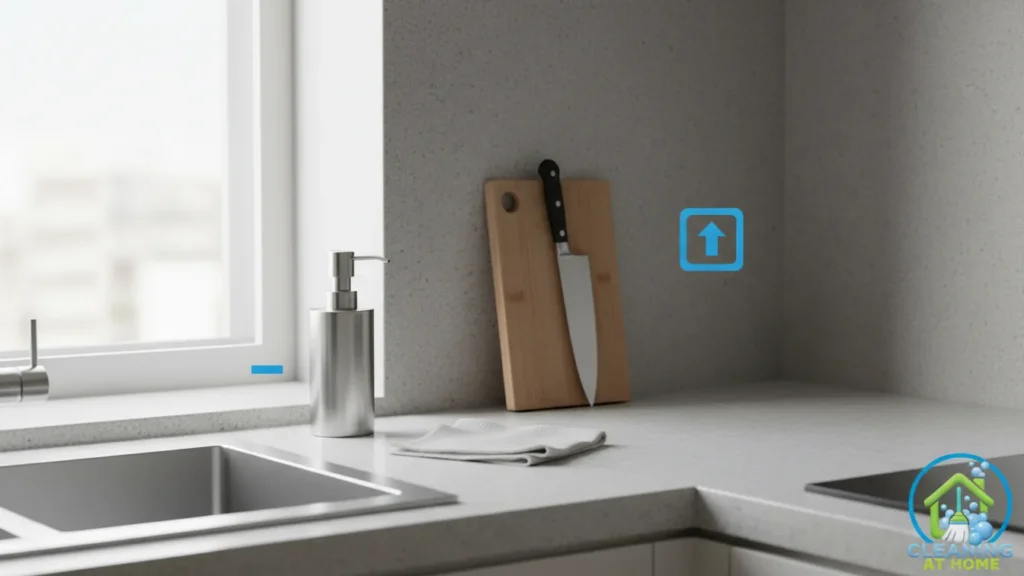
Reducing Daily-Use Items to Save Cleaning Time
One of the most effective ways to make cleaning faster is reducing the number of items you use every single day. Daily-use items have the biggest impact on cleaning time because they’re constantly handled, moved, and left on surfaces. The more of them you have, the more maintenance your home requires.
When daily-use items are excessive, mess forms quickly. Counters fill up, tables become drop zones, and cleaning turns into a cycle of moving things before you can actually clean. This creates hidden work — time spent managing items instead of cleaning surfaces.
Reducing daily-use items doesn’t mean removing everything you enjoy or need. It means identifying what truly supports your routine and letting go of duplicates, rarely used items, or things that stay out “just in case.” Items that aren’t used daily but live on daily surfaces quietly add to cleaning time without offering real value.
Fewer daily-use items make resets faster. When only essential items are out, tidying takes seconds instead of minutes. Wiping surfaces becomes a single motion instead of a process that involves clearing, cleaning, and putting everything back.
This reduction also lowers decision fatigue. When there are fewer items to manage, you spend less time deciding where things go or whether something should stay out. Cleaning becomes more automatic and less mentally draining.
Another benefit is consistency. Homes with fewer daily-use items are easier to keep under control even on busy or low-energy days. When there’s less to manage, small resets are enough to maintain order.
Reducing daily-use items is a practical step toward minimalist cleaning. It directly removes friction from daily routines and shortens cleaning time without requiring speed, effort, or strict rules. Less in daily circulation means less to clean — and that’s one of the simplest ways to make cleaning easier in a busy home.
Keeping Surfaces Clear to Make Cleaning Easier
Keeping surfaces clear is one of the most powerful minimalist cleaning habits for busy homes. Surfaces like kitchen counters, tables, bathroom vanities, and desks are cleaned frequently — which means anything left on them directly adds time to your routine.
When surfaces are crowded, cleaning becomes a multi-step task. First, you have to move items out of the way. Then you clean. After that, you decide what goes back and where. Even if the actual wiping takes seconds, the preparation and reset can take much longer.
Clearer surfaces turn cleaning into a single action.
When only essential items are left out, wiping a counter or table becomes quick and effortless. There’s no sorting, no rearranging, and no decision-making. This is especially important in busy homes where cleaning often happens in short windows of time.
Keeping surfaces clear also reduces how quickly mess builds up. A crowded surface invites more clutter — items naturally pile on top of each other. A mostly clear surface creates a visual boundary, making it less likely that things are casually dropped there in the first place.
Another benefit is visual calm. Even if the rest of the home isn’t perfect, clear surfaces make a space feel cleaner immediately. This reduces the urge to overclean or constantly adjust things just to feel comfortable in the room.
Minimalist cleaning doesn’t require empty surfaces. It requires intentional ones. Items that earn their place should support daily life, not complicate cleaning. Everything else can be stored nearby and brought out only when needed.
By keeping surfaces clear, you remove one of the biggest sources of cleaning friction. Cleaning becomes faster, lighter, and easier to repeat — which is exactly what busy homes need to stay under control.
👉 Simple Cleaning Habits That Save Time
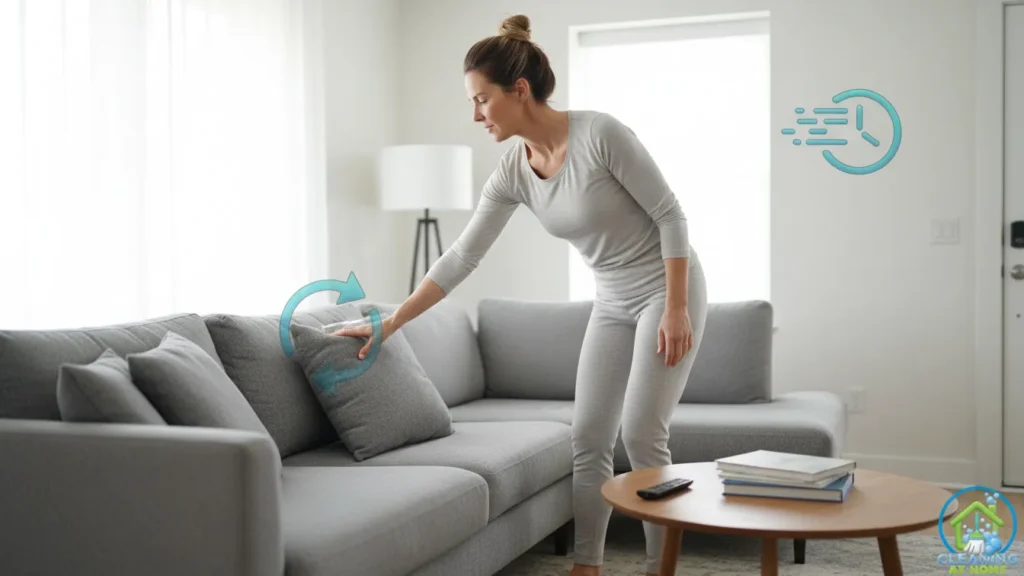
How Fewer Objects Mean Less Dust and Dirt
One of the most practical benefits of minimalist cleaning is how it reduces dust and dirt naturally. The more objects a home has, the more surfaces there are for dust to settle on and the more edges, corners, and details that need regular attention. Fewer objects automatically mean fewer places for dirt to collect.
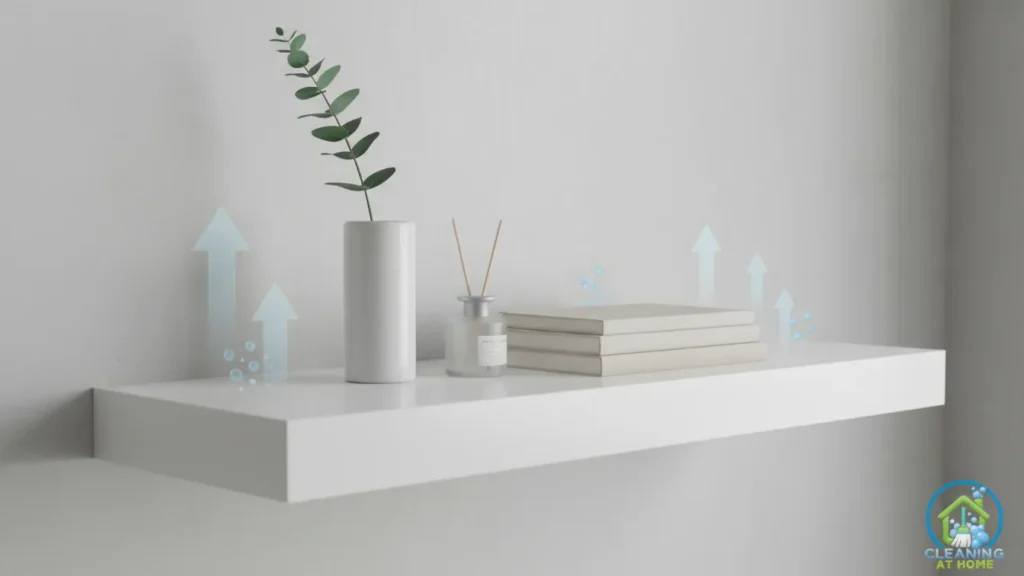
Decorative items, stacks of objects, and crowded shelves all act as dust magnets. Each item creates additional surface area that needs wiping, lifting, or moving during cleaning. When those objects are reduced, dust has fewer places to land, and cleaning becomes faster and more straightforward.
Fewer objects also improve airflow. When spaces are less crowded, air circulates more easily, which helps prevent dust from settling as heavily in one area. This makes dust buildup slower and less noticeable, especially on frequently used surfaces.
Another important factor is access. When shelves, counters, and floors are clear or lightly furnished, cleaning tools can reach surfaces easily. Vacuuming, sweeping, and wiping take less time because you’re not navigating around obstacles or stopping to move items out of the way.
Less dust and dirt also mean less frequent cleaning. When buildup slows down, you don’t need to clean as often to maintain a comfortable, livable home. This is especially valuable in busy households where time and energy are limited.
Minimalist cleaning doesn’t eliminate dust completely — that’s unrealistic. What it does is reduce the rate at which dirt accumulates. That reduction is what saves time. Instead of constantly chasing dust, you spend less time maintaining and more time enjoying your space.
By keeping fewer objects in your home, you create an environment that stays cleaner longer with less effort. Less to dust, less to wipe, and less to clean around means simpler routines and a home that’s easier to manage every day.
Simplifying Storage to Reduce Daily Tidying
Complicated storage systems often create more work instead of less. When storage is overfilled, hard to access, or spread across too many locations, daily tidying becomes a constant task. Simplifying storage is a key part of minimalist cleaning because it directly reduces how much effort is needed to keep the home under control.
When storage is simple, putting things away is quick and automatic. Items return to their place without hesitation. When storage is complex, items get left out because putting them away feels inconvenient or time-consuming. That hesitation is what creates clutter on surfaces and extra tidying later.
Simplified storage focuses on ease, not perfection. The best storage solutions are the ones that match real behavior. If something is used daily, its storage should be easy to reach. If it’s rarely used, it shouldn’t occupy prime space. This alignment removes friction from daily routines.
Another benefit of simplified storage is visibility. When storage areas aren’t overcrowded, it’s easier to see what you have and where it goes. This prevents items from being shoved into random places, which later requires sorting and re-organizing. Clear storage supports faster resets because everything has a clear destination.
Simplifying storage also reduces the need for constant organizing. Instead of rearranging items repeatedly, you maintain a system that naturally stays in place. This saves both time and mental energy, especially in busy homes where tidying needs to happen quickly.
Minimalist cleaning doesn’t require matching containers or elaborate systems. It requires storage that works without effort. Open baskets, drawers with space to spare, and clearly defined areas often work better than tightly packed solutions.
When storage is simple, tidying stops being a separate task. It becomes part of daily movement through the home. Fewer steps, fewer decisions, and fewer obstacles mean less time spent managing clutter — and more time freed from cleaning altogether.
👉How to Clean Faster Without Rushing
Using Fewer Cleaning Products Without Losing Results
Using fewer cleaning products is one of the most effective ways to simplify cleaning in a busy home. More products don’t make cleaning better — they usually make it slower. Each additional product adds decisions, steps, and clutter that quietly increase the time and effort required to clean.
When too many products are involved, cleaning becomes complicated. You stop to choose what to use, switch bottles between tasks, and remember where each product belongs. This breaks flow and turns simple cleaning into a multi-step process. Even before cleaning starts, mental energy is already being spent.
Minimalist cleaning focuses on results, not variety.
Most daily cleaning tasks can be handled with just a few basic products. When products are limited, routines become faster because decisions disappear. You grab what you need and move on. There’s no hesitation or second-guessing, which keeps cleaning smooth and efficient.
Fewer products also reduce setup and cleanup time. There are fewer bottles to move, fewer items to store, and fewer chances for spills or buildup. Storage becomes simpler, and cleaning tools are easier to keep organized and accessible.
Another benefit is consistency. When you rely on the same products regularly, you know how they work and when to use them. This familiarity speeds up cleaning and prevents overuse, which can create residue and lead to extra cleaning later.
Using fewer products doesn’t mean lowering standards. It means choosing products that are versatile and effective for everyday maintenance. Deep cleaning and special situations can still exist, but they don’t need to drive daily routines.
Minimalist cleaning works because it removes unnecessary complexity. By using fewer cleaning products, you reduce decisions, save time, and keep your routine focused on what actually matters — getting the job done quickly and moving on with your day.
How Minimalist Spaces Are Easier to Reset
One of the biggest advantages of minimalist cleaning is how quickly spaces can be reset. In a minimalist space, restoring order takes minutes instead of effort because there’s simply less to manage. This is especially important in busy homes, where mess happens daily and resets need to be fast.
A reset is the act of bringing a room back to a functional baseline. In cluttered spaces, resets are slow because every item needs attention — picking up, sorting, deciding where things go, and moving objects before cleaning can even begin. In minimalist spaces, that extra layer disappears.
When there are fewer items out, resetting a room often means just a few actions: putting things back in place, wiping a surface, and moving on. There’s no decision paralysis and no extended tidying phase. Cleaning and resetting blend into one smooth step.
Minimalist spaces also reduce visual noise. When fewer items compete for attention, it’s easier to see what actually needs fixing. You’re not overwhelmed by clutter, so resets feel lighter and more controlled. This prevents the urge to overclean or spend extra time adjusting things that don’t matter.
Another benefit is flexibility. In busy homes, resets don’t always happen at the same time or with the same energy. Minimalist spaces allow for quick resets even on low-energy days. You don’t need a long window of time to bring things back under control.
Minimalist cleaning supports consistency. When resetting a space is easy, it happens more often. Frequent, fast resets prevent buildup and keep cleaning from turning into a larger task later.
A space that’s easy to reset is a space that stays manageable. By reducing what needs daily attention, minimalist cleaning turns resets into a simple habit instead of a chore — saving time, energy, and mental effort every single day.
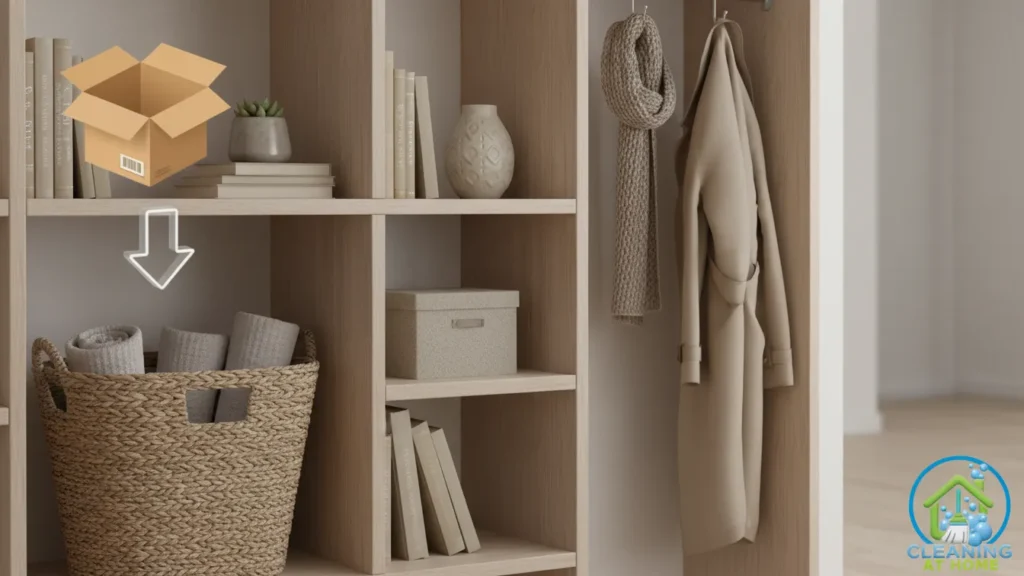
Letting Go of Items That Create Constant Mess
One of the most effective minimalist cleaning strategies is letting go of items that create constant mess. These are not necessarily useless items — they’re the ones that never seem to have a place, get moved around daily, or repeatedly end up on surfaces and floors. Over time, they quietly add a lot of cleaning work.
Constant-mess items often follow the same pattern. They’re used occasionally, don’t belong clearly anywhere, or exist in excess. Because they’re inconvenient to store or unnecessary to access daily, they tend to stay out. This creates clutter that needs to be tidied before cleaning can even begin.
Letting go of these items reduces friction immediately. When fewer objects are competing for space, surfaces stay clearer and resets become faster. Cleaning shifts from managing clutter to simply maintaining the space.
This doesn’t require drastic decluttering. The goal isn’t to get rid of everything — it’s to notice which items create repeated work. If something needs to be picked up, moved, or adjusted every day, it’s worth questioning whether it truly supports your routine.
Another benefit is fewer decisions. Constant-mess items require constant choices: where to put them, whether to move them, or whether to deal with them later. Removing them removes those decisions, which saves time and mental energy during cleaning.
Busy homes benefit most from reducing friction. Items that complicate daily movement through the home often add more work than value. Letting them go simplifies cleaning because there’s less to manage, less to move, and less to reset.
Minimalist cleaning isn’t about having less for the sake of less. It’s about removing what quietly creates extra work. When items stop creating constant mess, cleaning becomes faster, lighter, and far easier to maintain every day.
How Minimalist Cleaning Reduces Mental Overload
One of the most overlooked benefits of minimalist cleaning is how much it reduces mental overload. Cleaning isn’t just physical work — it’s also a constant stream of decisions, reminders, and unfinished thoughts. When a home has too much to manage, that mental weight builds up quickly.
Every visible item asks for attention. Where should this go? Do I need to clean around it? Should I deal with this now or later? When many of these questions exist at once, cleaning becomes mentally exhausting before it even starts. This is why cluttered spaces often feel overwhelming, even if they aren’t physically dirty.
Minimalist cleaning reduces the number of decisions required. With fewer items, there are fewer choices to make and fewer things competing for attention. Cleaning becomes more automatic because the environment itself is simpler. You see what needs to be done immediately, without sorting through visual noise.
This reduction in mental load also helps with consistency. When cleaning feels mentally heavy, it’s easier to avoid it or postpone it. When cleaning feels clear and manageable, it’s easier to start — even on busy or low-energy days. The routine feels lighter because your brain isn’t working overtime.
Another important benefit is focus. Minimalist spaces make it easier to stay on task. You’re not distracted by unrelated items or unfinished decisions while cleaning. That focus shortens cleaning time and reduces the feeling that cleaning is endless.
Minimalist cleaning also reduces background stress. A home that’s easier to manage doesn’t constantly remind you of unfinished work. That mental quiet carries into daily life, making the home feel more supportive instead of demanding.
By managing less, you think less about cleaning. That mental freedom is just as valuable as the time saved. Minimalist cleaning works not only because it reduces physical effort, but because it removes the mental clutter that makes cleaning feel heavier than it needs to be.
How a Simpler Home Saves Time and Energy Every Day
A simpler home doesn’t save time only during cleaning — it saves time every single day. When there’s less to manage, less to move, and less to think about, daily life flows more easily. Cleaning becomes just one part of that benefit, not the only one.
In a simplified home, everyday actions take less effort. Putting things away is quicker because there are fewer items and clearer places for them. Resetting a room takes minutes because there’s less clutter to handle. Even finding what you need becomes faster when spaces aren’t crowded or overfilled.
This simplicity has a direct impact on cleaning routines. With fewer objects on surfaces and floors, cleaning tasks shrink naturally. Wiping, vacuuming, and tidying require less setup and less physical effort. You’re not cleaning around things — you’re simply cleaning.
Energy savings are just as important as time savings. When cleaning requires fewer steps and decisions, it becomes less tiring. You don’t feel drained before you even begin. That preserved energy makes it easier to stay consistent, which prevents mess from building up in the first place.
A simpler home also reduces stress. Visual clutter creates mental noise, even when you’re not actively cleaning. When your environment is calmer, there’s less pressure to constantly fix or adjust things. This mental ease makes the home feel supportive instead of demanding.
Importantly, a simpler home doesn’t mean a bare or uncomfortable one. It means keeping what truly serves your daily life and letting go of what creates extra work. Comfort, personality, and function can still exist — just without unnecessary maintenance.
Minimalist cleaning works because it changes the foundation. Instead of trying to clean faster or harder, you reduce how much cleaning is needed at all. When the home is simpler, cleaning asks less of your time and energy — every day, not just on cleaning days.