Things You Should Stop Doing When Cleaning to Make It Easier
Cleaning often feels harder than it needs to be, not because the home is too messy, but because of what people keep doing out of habit. Many cleaning routines are overloaded with actions that don’t add real value. Over time, these habits turn cleaning into something exhausting, time-consuming, and mentally draining.
One of the biggest shifts that makes cleaning easier is realizing that you don’t always need to do more. In fact, the opposite is often true. Cleaning improves the most when certain behaviors are removed. Stopping what doesn’t work creates more relief than adding new steps, tools, or rules.
A lot of cleaning habits start with good intentions. People want to stay on top of things, avoid bigger messes, and feel in control of their home. But when routines are built on autopilot, pressure, or outdated advice, they quietly work against you. You may clean often and still feel behind, tired, or unsatisfied with the results.

Another reason cleaning feels heavy is the belief that effort equals effectiveness. Many people think that if cleaning feels hard, it must be working. That mindset leads to overcleaning, repeating tasks, using too much product, or trying to handle everything at once. Instead of making cleaning easier, these habits stretch routines longer and drain energy faster.
Stopping unhelpful behaviors creates space. Space in your schedule, space in your mind, and space in your routine. When you let go of habits that don’t serve your home, cleaning becomes simpler and more predictable. You stop fighting against your own process and start working with how your home actually functions.
This article is not about strict rules or perfect routines. It’s about relief. About recognizing which actions quietly make cleaning harder than it needs to be and giving yourself permission to stop doing them. Many of these habits are common, learned, and rarely questioned — which is why they stick around for so long.
In the next sections, we’ll look at specific things you can stop doing when cleaning. Each one is a small change, but together they can transform how cleaning feels. Less effort. Less frustration. And a routine that finally works with you instead of against you.

Stop Cleaning on Autopilot Without Observing What’s Needed
One of the most important things to stop doing when cleaning is operating on autopilot. Many people clean the same way every time, following habits instead of paying attention to what their home actually needs that day. While routines can be helpful, cleaning without observation often leads to wasted effort and unnecessary work.
Autopilot cleaning usually looks like this: you start wiping the same surfaces, in the same order, regardless of whether they’re dirty or not. You repeat tasks simply because “that’s what I always do.” Over time, cleaning becomes a mechanical process instead of a responsive one. The result is often frustration — a lot of effort with little visible improvement.
The main issue with autopilot cleaning is misdirected energy. While time is spent on low-impact tasks, real needs may be missed. High-use areas might need attention, but they get the same quick treatment as everything else. Meanwhile, clean or rarely used spaces receive unnecessary focus simply because they’re part of the routine.
Cleaning without observation also makes routines feel heavier. When every task is done regardless of need, cleaning sessions grow longer and more exhausting. There’s no flexibility, no adjustment, and no sense of completion — just repetition. This is one of the biggest reasons people feel like they’re always cleaning but never finished.
Stopping this habit doesn’t mean abandoning routines altogether. It means adding awareness before action. A brief pause to look around and ask, “What actually needs to be cleaned right now?” can change everything. That small moment of observation helps you skip unnecessary tasks and focus on what truly matters.
When cleaning is guided by need instead of habit, it becomes lighter and more effective. You stop doing work that doesn’t serve your home and start responding to how the space is actually being used. That simple shift alone can make cleaning feel easier, shorter, and far less draining.
Stop Using Too Much Cleaning Product
Using too much cleaning product is a habit many people don’t realize they should stop. It often comes from the belief that more product means better results. In reality, overusing cleaners usually makes cleaning harder, not easier.
When too much product is applied, it rarely rinses or wipes away completely. Instead, it leaves residue on surfaces. That residue attracts dust, fingerprints, and grime faster, which makes areas look dirty again sooner. The result is repeated cleaning — not because the surface got dirty, but because leftover product created the problem.
This habit also adds extra steps to your routine. Excess product means more wiping, more rinsing, and more time spent fixing streaks or sticky spots. What should be a quick task turns into a longer one, simply because too much cleaner was used at the start.
Another issue is automatic spraying. Many people reach for a product out of habit, without checking whether it’s actually needed. Light dust, small crumbs, or minor smudges often require nothing more than a dry or slightly damp cloth. Using product every time adds unnecessary effort to simple tasks.
Over time, this habit can also affect how surfaces look and feel. Floors may lose shine, counters can feel dull, and glass may never look truly clean. These changes happen gradually, so they’re rarely linked back to daily overuse of product.
Stopping the habit of overusing cleaning products doesn’t mean cleaning less effectively. It means cleaning more intentionally. Using smaller amounts, only when necessary, makes surfaces easier to maintain, reduces repetition, and helps your routine feel faster and lighter overall.
Stop Mixing Cleaning Products Without a Clear Reason
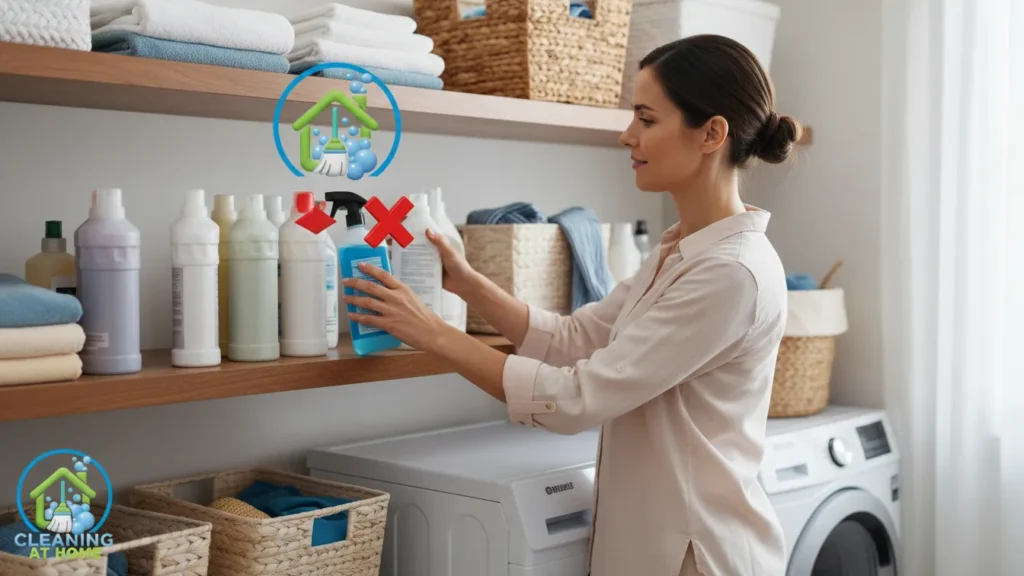
Mixing cleaning products is a habit many people should stop immediately, even when it feels harmless or “more effective.” This behavior often comes from the belief that combining products will boost cleaning power. In reality, it usually creates confusion, wasted effort, and routines that are harder than they need to be.
Most product mixing happens casually. A surface doesn’t look clean enough, so another spray is added. A different cleaner is layered on top, hoping for better results. Instead of improving the outcome, this often leads to residue buildup, streaking, and extra wiping. The surface becomes harder to clean, not easier.
Another issue with mixing products is inconsistency. When different cleaners are combined without intention, it’s difficult to know what’s actually working. If results are poor, people tend to scrub harder, repeat the task, or clean the same area again later. What started as a quick job turns into repeated effort and lost time.
Mixing products also complicates routines mentally. Remembering what was used where, how much was applied, and whether it needs rinsing adds unnecessary decision-making to cleaning. Simple tasks become overthought, and cleaning sessions feel heavier and more exhausting.
Stopping this habit doesn’t mean limiting yourself to one product forever. It means using one product at a time, for a clear purpose. If something doesn’t work, it’s better to stop, reassess, and choose a different approach — not layer products on top of each other.
Cleaning becomes much easier when routines are simplified. By stopping the habit of mixing products without a reason, you reduce residue, save time, and make results more predictable. One surface, one method, one clear goal — that’s often all that’s needed.
Stop Using the Same Cloth or Sponge for Every Task
Using the same cloth or sponge for every cleaning task is a habit that should be left behind. While it feels convenient to grab one tool and move through the house, this practice usually makes cleaning less effective and creates extra work later.
When the same cloth is used on multiple surfaces, it spreads dirt instead of removing it. A sponge that starts in the kitchen can easily carry grease, crumbs, and residue to tables, counters, or even bathroom surfaces. Even when everything looks clean, grime is often just being redistributed from one place to another.
This habit also reduces cleaning efficiency. As a cloth or sponge becomes damp and dirty, it stops working properly. Instead of lifting dirt, it smears it, leaving streaks, odors, or sticky surfaces behind. That leads to repeated wiping and frustration when areas don’t stay clean for long.
Another issue is false time savings. Using one cloth feels faster in the moment, but it usually creates more work later. Surfaces need to be cleaned again, tools need deeper washing, and the overall routine takes longer because results don’t last.
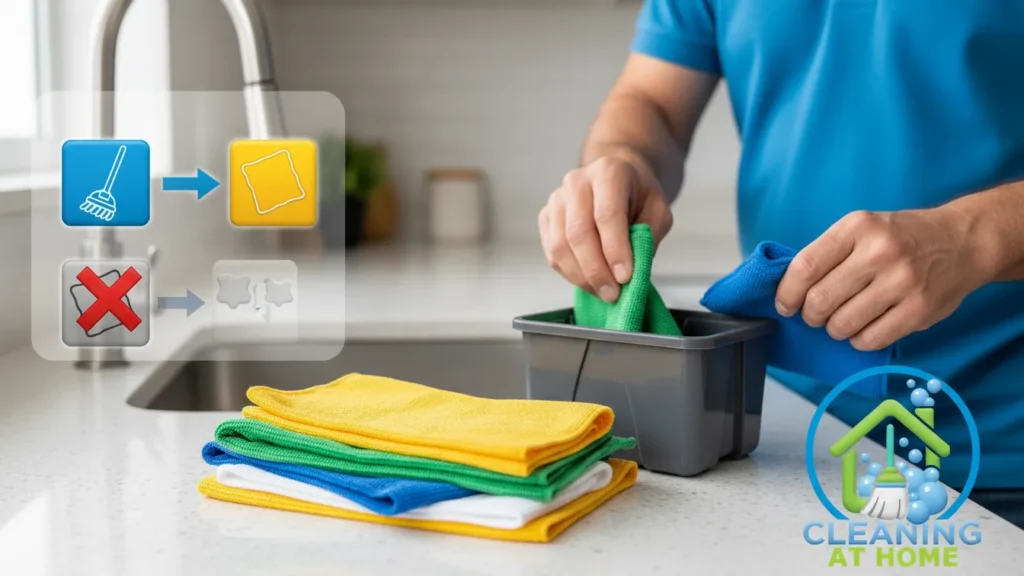
Stopping this habit doesn’t mean making cleaning complicated. Simple changes make a big difference. Switching cloths between rooms, rinsing them frequently, or designating one for specific tasks helps prevent cross-contamination and improves results.
Clean tools matter. By not relying on the same cloth or sponge for everything, cleaning becomes more effective, surfaces stay cleaner longer, and your routine feels lighter instead of repetitive and exhausting.
Stop Cleaning Everything Even When It’s Not Dirty
Cleaning everything just because it’s “cleaning time” is a habit that adds unnecessary work to your routine. Many people feel obligated to wipe, dust, or vacuum areas simply because they’re part of a regular schedule, not because they actually need attention. Over time, this habit makes cleaning feel heavier than it should.
When you clean things that aren’t dirty, effort is wasted where it brings no real benefit. Time is spent wiping surfaces that haven’t been used, vacuuming floors that are already clean, or dusting areas with no visible buildup. Meanwhile, spaces that truly need care may receive rushed or limited attention because energy is spread too thin.
This habit also feeds the feeling that cleaning never ends. If every surface is treated as equally urgent, routines grow longer and more exhausting. Even after cleaning, the home doesn’t feel noticeably better, which leads to frustration and the urge to clean again later.
Cleaning things that aren’t dirty can also cause unnecessary wear. Constant wiping and product use on clean surfaces may dull finishes or leave residue over time. Ironically, trying to keep everything perfectly clean can make maintenance harder in the long run.
Stopping this habit starts with observation. A quick look around before cleaning helps you decide what truly needs attention that day. Not every surface changes daily, and that’s okay. Allowing clean areas to stay untouched saves time and preserves energy.
Cleaning becomes much easier when it’s based on real need instead of routine pressure. By stopping the habit of cleaning everything regardless of condition, you shorten your routine, reduce effort, and focus on what actually makes a difference in your home.
Stop Repeating the Same Tasks Out of Habit
Repeating the same cleaning tasks out of habit is one of the easiest ways to make cleaning feel longer and more tiring than it needs to be. Many people redo tasks simply because they’re part of a routine, not because the task actually needs to be done again.
This usually happens when cleaning is driven by memory instead of observation. You wipe a counter in the morning, then wipe it again later just because it’s “what you always do.” Floors get swept multiple times even when nothing new has happened. These repeated actions don’t improve cleanliness — they just consume time and energy.
Habit-based repetition also creates mental fatigue. When tasks are repeated without purpose, cleaning starts to feel endless. You’re busy, but progress is hard to see. That lack of visible payoff often leads to frustration and the sense that cleaning never truly stays done.
Another downside is that repetition often hides real needs. While time is spent redoing familiar tasks, areas that actually require attention may be missed or rushed. The routine becomes unbalanced, focusing on comfort habits instead of practical impact.
Stopping this habit doesn’t mean abandoning routines altogether. It means allowing flexibility. If a task was already done and nothing has changed, it’s okay to skip it. Giving yourself permission to move on prevents unnecessary repetition and shortens cleaning sessions naturally.
When cleaning is based on current need instead of automatic repetition, routines become lighter and more efficient. You stop doing work that doesn’t serve your home and start feeling real completion — not just movement — in your cleaning process.
👉 Common Cleaning Myths at Home
Stop Cleaning Based on Anxiety Instead of Real Need
Cleaning driven by anxiety is a habit that quietly makes routines harder and longer than necessary. Instead of responding to actual dirt or mess, actions are triggered by discomfort — the feeling that something might be wrong or out of place. While this type of cleaning can bring short-term relief, it often leads to repeated work and wasted time.
Anxiety-based cleaning usually looks like constant fixing. Straightening items that are already in place, wiping the same surface multiple times, or adjusting things just to feel calmer. These actions don’t improve cleanliness, but they do consume energy and create the sense that cleaning never truly ends.
This habit also removes clear boundaries from cleaning. There’s no defined start or finish, only a series of small tasks driven by unease. As a result, cleaning spreads throughout the day, interrupting other activities and making it feel like you’re always “on duty.”
Another issue is that anxiety-based cleaning often ignores priorities. Time is spent on low-impact tasks because they feel comforting, while real needs may be delayed or rushed. The routine becomes emotionally reactive instead of practical.
Stopping this habit doesn’t mean ignoring your home. It means pausing long enough to ask whether something actually needs attention. A brief moment of observation can prevent unnecessary action and help redirect effort where it matters most.
When cleaning is guided by real need instead of anxiety, routines become calmer and more efficient. You gain control over your time, reduce repetition, and allow cleaning to support your life — not interrupt it.
Stop Ignoring Simple Daily Maintenance
Ignoring simple daily maintenance is a habit that quietly makes cleaning harder over time. These small tasks don’t feel important in the moment, so they’re easy to postpone. However, when basic maintenance is skipped repeatedly, it creates more work later and turns routine cleaning into a bigger burden.
Daily maintenance includes small actions like putting items back where they belong, wiping up spills right after they happen, emptying the trash before it overflows, or doing a quick reset of high-use areas. Each task takes very little time, which is exactly why they’re often overlooked. The problem isn’t the effort — it’s the accumulation.
When simple maintenance is ignored, mess builds up faster than expected. A counter that isn’t quickly wiped becomes sticky. A sink left unattended becomes harder to clean. Floors collect debris that spreads to other rooms. What could have been handled in seconds now requires a longer cleaning session to fix.
This habit also increases mental load. Unfinished small tasks linger in the background, creating a sense that the home is never fully under control. Even when you plan to clean later, the awareness of growing mess adds stress and makes cleaning feel heavier before it even begins.
Stopping this habit doesn’t mean adding more tasks to your day. It means recognizing that small maintenance actions are part of living in the home, not extra work. Addressing little things as they happen prevents bigger messes from forming.
When simple daily maintenance becomes consistent, cleaning naturally becomes easier. Less buildup means fewer long sessions, less scrubbing, and less frustration. Small actions done regularly protect your time and keep your routine lighter and more manageable.

Stop Trying to Do All Your Cleaning in One Day
Trying to do all your cleaning in one day is a habit that makes routines feel overwhelming and exhausting. Many people wait until mess builds up and then attempt a full reset, believing that doing everything at once will make things easier afterward. In reality, this approach usually creates stress and burnout rather than long-term relief.
When all cleaning is packed into a single day, tasks pile up quickly. What could have been handled in short, manageable moments turns into hours of work. Fatigue sets in, focus drops, and cleaning quality often suffers. Instead of feeling accomplished, you’re left drained and frustrated.
This habit also makes routines harder to maintain. After an intense cleaning day, it’s common to avoid cleaning for a while, simply because the effort was too much. Mess starts building again, and the cycle repeats. Cleaning becomes something to dread instead of a regular, supportive part of daily life.
Another downside is inefficiency. When everything is done at once, it’s harder to prioritize. Time and energy are spread thin across many tasks, and some areas get rushed while others get unnecessary attention. The result is a lot of effort with uneven results.
Stopping this habit doesn’t mean cleaning more often — it means cleaning more evenly. Spreading tasks across the week keeps routines lighter and prevents buildup. Small, consistent efforts reduce the need for long, exhausting sessions.
When cleaning is no longer treated as a one-day event, it becomes more manageable. You save energy, avoid burnout, and create a routine that fits into your life instead of taking it over.
Stop Complicating Your Cleaning Routine
Complicating your cleaning routine is one of the most common reasons cleaning feels overwhelming. Many people believe that an effective routine needs multiple steps, special rules, and perfectly followed systems. Over time, cleaning becomes more about managing the routine itself than actually cleaning the home.
This habit often starts with good intentions. You add extra steps to be thorough, follow detailed advice from different sources, or try to copy routines that don’t fit your lifestyle. Instead of making cleaning easier, the routine becomes harder to remember, harder to start, and easier to abandon.
When cleaning is complicated, hesitation increases. You delay starting because it feels like too much. You may avoid certain tasks because they seem time-consuming or confusing. Even small messes feel heavier when the routine around them feels complex. The result is procrastination followed by rushed or incomplete cleaning.
Another problem with overcomplication is inconsistency. Complex routines are difficult to maintain long term. When life gets busy, they fall apart quickly. Then cleaning feels like a failure instead of a flexible habit that can adjust to different days and energy levels.
Complicated routines also hide what actually matters. When there are too many steps, it’s harder to see which actions truly make a difference. Time and energy get spent managing processes instead of maintaining the home in a practical way.
Stopping this habit means simplifying on purpose. Fewer steps, fewer rules, and fewer expectations make cleaning easier to start and easier to finish. A simple routine that works most of the time is far more effective than a perfect routine that rarely gets used.
When cleaning is uncomplicated, it becomes approachable. You clean more consistently, with less stress, and without feeling overwhelmed. Simplicity isn’t cutting corners — it’s creating a routine that actually fits real life.
How Stopping These Cleaning Habits Makes Your Routine Lighter
Stopping certain cleaning habits can completely change how your routine feels, even without adding a single new task. When you remove actions that don’t help, cleaning naturally becomes simpler, shorter, and far less exhausting. The biggest improvement often comes from what you stop doing, not from what you add.
One of the first benefits is reduced effort. When you stop overcleaning, repeating tasks, or cleaning things that aren’t dirty, you save energy immediately. Cleaning sessions shrink because they’re no longer filled with unnecessary steps. You do less, but the results last longer.
Another change is mental relief. Letting go of rigid rules and pressure-driven habits reduces stress. Cleaning stops feeling like a constant obligation and starts feeling manageable. With fewer decisions, fewer steps, and clearer priorities, it becomes easier to start — and easier to finish.
Stopping unhelpful habits also improves consistency. Simple routines are easier to maintain, even on busy or low-energy days. Instead of waiting for the “perfect time” to clean, you’re able to do what’s needed and move on. This prevents buildup and reduces the need for long, exhausting cleaning sessions.
There’s also a noticeable sense of control. When cleaning is based on real needs instead of anxiety, myths, or autopilot, you trust your routine more. You know why you’re doing each task, and that confidence makes cleaning feel purposeful rather than endless.
A lighter cleaning routine isn’t about lowering standards. It’s about removing friction. By stopping habits that don’t serve your home, you create space for a routine that works with your life, your time, and your energy. Cleaning becomes something that supports you — not something that constantly demands more than it should.