The Daily Cleaning Mistakes Most People Don’t Even Notice
Most people don’t think they’re making mistakes when it comes to daily cleaning. In fact, that’s exactly the problem. Daily cleaning errors are usually quiet, repetitive, and feel completely normal. They don’t look like mistakes. They look like routines.
You wipe the counter. You sweep the floor. You spray something that smells clean. At the end of the day, you feel like you did your part — yet the house never really feels clean for long. By the next morning, the same messes are back, and the cycle starts again.
This happens because many daily cleaning habits are built on autopilot, not intention.
Over time, people develop routines based on what they’ve always done, what they saw growing up, or what “feels productive.” The problem is that productivity in cleaning isn’t about doing more — it’s about doing the right things at the right time. When small mistakes are repeated every day, they quietly waste time, energy, and effort without delivering better results.
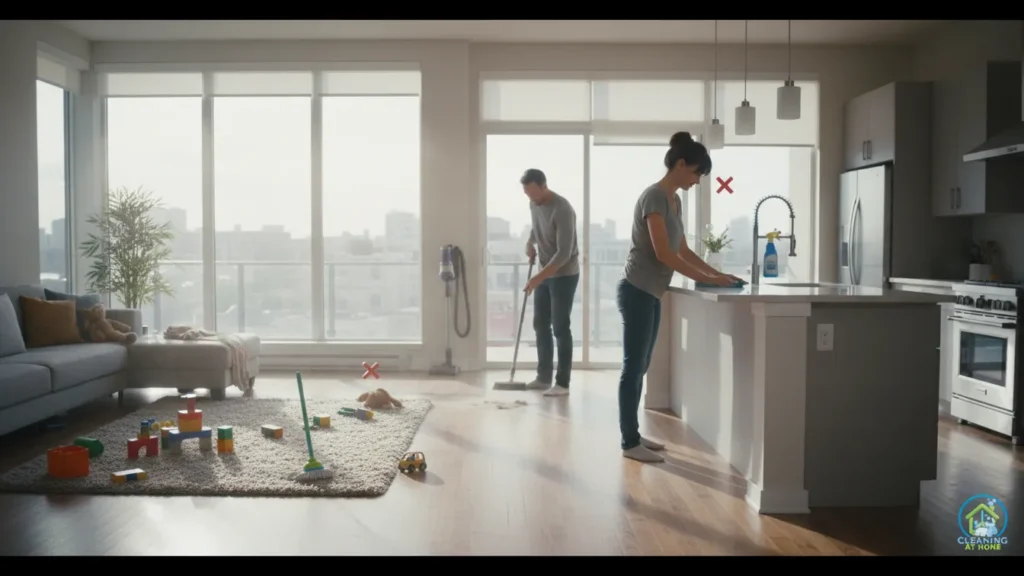
One of the biggest daily cleaning mistakes is assuming that more effort equals a cleaner home. In reality, effort applied in the wrong direction just creates frustration. You might be cleaning too often in the wrong places, using products unnecessarily, or repeating tasks that don’t actually improve cleanliness.
Another issue is that daily cleaning mistakes rarely create immediate consequences. Using too much product doesn’t ruin the counter overnight. Cleaning without a clear order doesn’t feel wrong in the moment. Skipping small maintenance tasks doesn’t cause instant chaos. Because nothing “bad” happens right away, the habit continues unchecked.
Daily mistakes also tend to stack. One small inefficiency leads to another. Cleaning the same surface twice because it gets dirty again quickly. Missing high-touch areas while focusing on spots that barely need attention. Rushing through tasks without noticing what actually needs to be cleaned that day. Individually, these habits seem harmless. Together, they create the feeling that cleaning never ends.
It’s important to understand that daily cleaning is not about perfection. A lived-in home will always show signs of use. The goal isn’t to eliminate mess completely, but to maintain balance. When daily routines are built on awareness instead of habit, cleaning becomes lighter, faster, and far less exhausting.
This article isn’t about pointing fingers or telling you that you’re doing everything wrong. These mistakes are common because they’re easy to fall into. They happen to busy parents, working adults, and anyone trying to keep up with a full household. The good news is that daily cleaning mistakes are also the easiest to fix.
By recognizing the patterns that don’t serve you, you can stop wasting effort and start getting better results with less work. Small adjustments — not major overhauls — make the biggest difference in daily cleaning routines.
In the next sections, we’ll break down specific daily cleaning mistakes one by one. You’ll likely recognize more than a few. That’s a good thing. Awareness is the first step toward a routine that actually works for your home, your schedule, and your energy.
Cleaning Without a Clear Order Every Day
One of the most common daily cleaning mistakes is starting without a clear order. Many people clean based on what they see first or what feels most urgent in the moment. While that may seem practical, it often leads to extra work and repeated tasks throughout the day.
When there’s no order, cleaning becomes reactive instead of intentional. You wipe the kitchen counter, then sweep the floor, only to prepare food later and drop crumbs again. You clean the bathroom sink, then use it multiple times before the day ends. By night, it feels like nothing stayed clean, even though you already spent time on it.
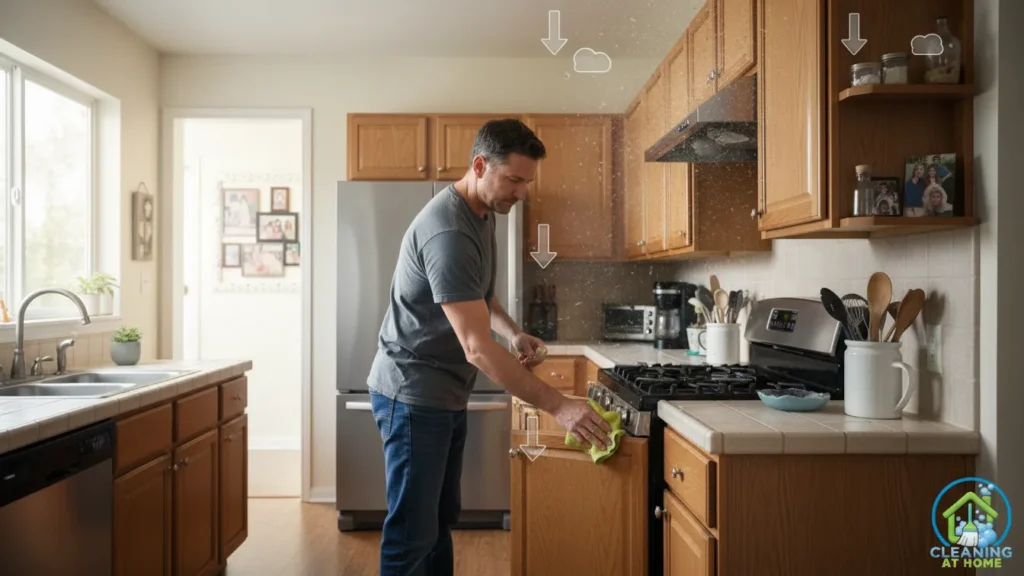
Cleaning without a sequence usually means working against gravity and flow. For example, wiping lower surfaces before higher ones causes dust and crumbs to fall onto areas you’ve already cleaned. Moving randomly from room to room creates interruptions and unfinished tasks. Over time, this scattered approach makes daily cleaning feel longer and more exhausting than it needs to be.
A lack of order also increases mental fatigue. Each time you switch rooms or tasks, your brain has to reset. That constant decision-making — “What should I clean next?” — quietly drains energy. Instead of feeling accomplished, you end the day feeling like you were busy but not effective.
Daily cleaning works best when it follows a simple, repeatable structure. That doesn’t mean a strict checklist or a rigid schedule. It means having a general flow: top to bottom, clean to dirty, and room by room when possible. Even a loose order helps prevent rework and missed areas.
Another issue with cleaning out of order is that it hides progress. When tasks are done randomly, it’s harder to see clear results. A structured order allows you to finish one space before moving on, which creates a sense of completion and control — something daily cleaning should support, not take away.
The goal of daily cleaning isn’t to clean everything, but to clean smartly. A simple order turns routine tasks into a smoother process, saving time and making your home feel consistently cared for rather than constantly reset.
Using Too Much Cleaning Product on a Daily Basis
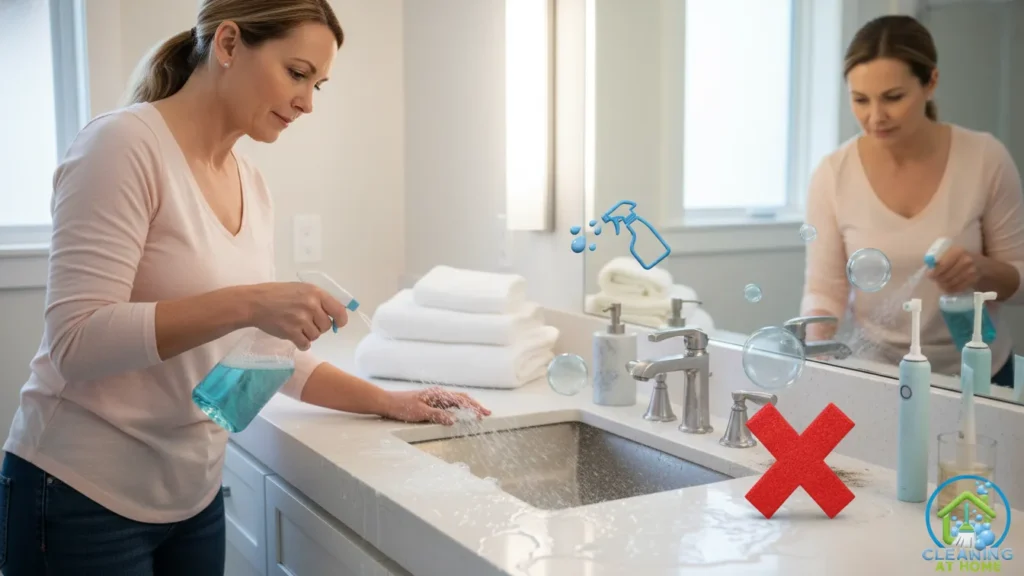
Using more cleaning product than necessary is a daily mistake many people make without realizing it. There’s a common belief that if a little works, more must work better. In reality, the opposite is often true. Excess product doesn’t make surfaces cleaner — it usually creates extra problems.
When too much product is used, it often leaves behind residue. This residue attracts dust, dirt, and fingerprints faster, making surfaces look dirty again in a short time. As a result, people feel the need to clean the same areas repeatedly, thinking the issue is dirt, when it’s actually leftover product buildup.
Another hidden problem is wasted time. Overusing cleaner usually means extra wiping, extra rinsing, or going over the same spot multiple times to remove streaks. What should be a quick daily task turns into a longer, more frustrating process. Over time, this makes daily cleaning feel heavier than it needs to be.
There’s also a habit component involved. Many people spray automatically, without checking whether a surface truly needs product. Light dust, crumbs, or minor smudges can often be handled with a dry or slightly damp cloth. Reaching for product every time becomes routine, not necessity.
Using too much product can also dull surfaces over time. Floors may lose their shine, countertops may feel sticky, and glass may look cloudy instead of clean. These changes happen slowly, so they’re rarely linked back to daily habits, but the connection is real.
Daily cleaning works best when products are used intentionally, not excessively. A small amount, applied only when needed, usually delivers better results with less effort. Reducing product use doesn’t mean lowering cleanliness — it means allowing surfaces to stay cleaner longer and making daily routines faster and more effective.

Cleaning Surfaces That Are Already Clean
One subtle daily cleaning mistake is spending time on surfaces that don’t actually need to be cleaned. This usually happens out of habit, not necessity. Many people wipe the same counters, tables, or shelves every day simply because it’s part of their routine, even when those areas haven’t been used.
At first glance, this doesn’t seem harmful. After all, keeping things clean sounds like a good habit. The problem is that unnecessary cleaning steals time and energy from areas that truly need attention. While you’re wiping a spotless table, crumbs may be building up elsewhere, or high-touch areas are being overlooked.
Cleaning surfaces that are already clean also increases wear over time. Constant wiping, especially with products, can dull finishes, leave residue, or cause streaking. What starts as a “just in case” habit slowly turns into extra maintenance that wouldn’t be needed otherwise.
This mistake often comes from equating movement with productivity. If you’re wiping something, it feels like progress. But effective daily cleaning isn’t about staying busy — it’s about responding to real needs in your home. A quick visual check is often enough to decide whether a surface actually needs attention that day.
Daily routines work best when they’re flexible. Giving yourself permission to skip what’s already clean allows you to focus on what matters most, making cleaning faster, lighter, and more intentional.
Ignoring Small Messes That Turn Into Bigger Problems
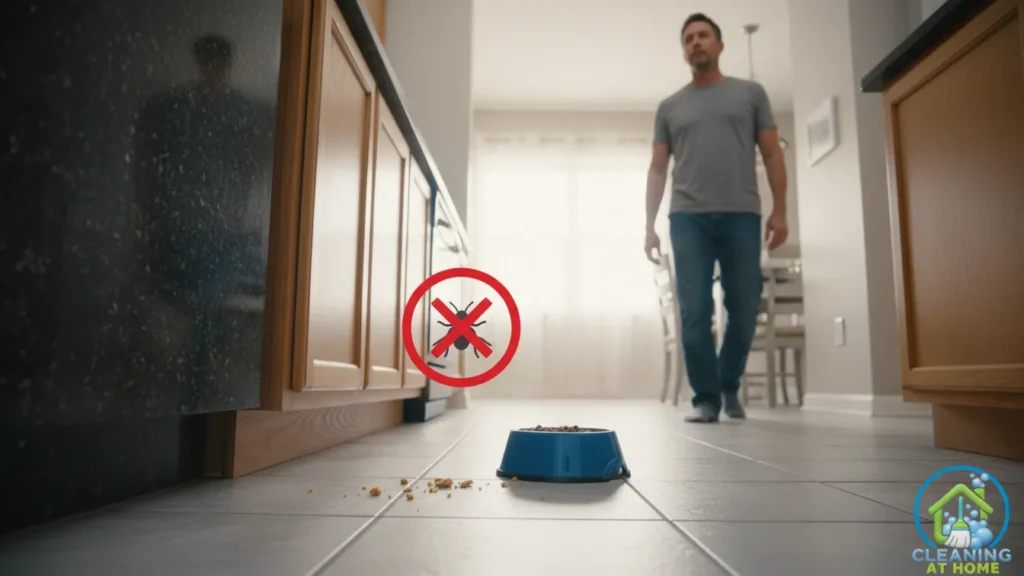
One of the most underestimated daily cleaning mistakes is ignoring small messes because they seem harmless in the moment. A few crumbs on the counter, a drop of sauce on the stove, shoes left by the door, or a sticky spot on the floor don’t feel urgent. Many people tell themselves they’ll handle it later — often during “real cleaning time.”
The problem is that small messes rarely stay small.
When minor dirt or clutter is left unattended, it tends to spread or harden. Crumbs get stepped on and carried into other rooms. Spills dry and become harder to remove. A small pile of items turns into visual clutter that makes the entire space feel messier than it actually is. What could have taken seconds to fix now requires more effort and time.
Ignoring small messes also creates mental noise. Even when you’re not consciously thinking about them, your brain registers unfinished tasks. Over the course of a day, these little “I’ll do it later” moments add up, contributing to the feeling that your home is constantly behind.
Daily cleaning isn’t about doing more — it’s about responding quickly. Addressing small messes as they happen prevents buildup and keeps your environment manageable. A quick wipe, a fast pick-up, or a short reset can save you from a much bigger cleaning session later.
Handling small messes right away supports a smoother routine and helps your home stay consistently calm instead of cycling between “fine” and “overwhelming.”
👉 Bad Cleaning Habits That Waste Time
Cleaning in a Rush Instead of With Intention
Rushing through daily cleaning is a mistake that feels unavoidable, especially on busy days. When time is tight, cleaning often becomes something to “get through” as fast as possible. The intention is good — finish quickly and move on — but the result is usually less effective than expected.
When cleaning is rushed, important details are missed. You might wipe around objects instead of moving them, skip corners, or overlook areas that actually need attention. This creates the illusion of cleanliness without addressing the real mess. Later, you notice the same spots looking dirty again and wonder why your efforts didn’t last.
Cleaning in a rush also leads to repeated work. Tasks done halfway often need to be redone sooner than necessary. A quick swipe that leaves residue, a fast sweep that misses debris, or a rushed reset that doesn’t truly clear clutter all contribute to the feeling that cleaning never sticks.
Another issue is stress. Rushed cleaning keeps your body tense and your mind scattered. Instead of feeling relief when you’re done, you feel hurried and unsatisfied. Over time, this turns daily cleaning into something mentally draining rather than supportive of your routine.
Daily cleaning doesn’t require long sessions, but it does benefit from presence. Slowing down just enough to notice what actually needs to be done makes each task more effective. A few intentional minutes often achieve more than rushing through the same space multiple times.
Cleaning with intention — even briefly — helps daily routines feel lighter, more controlled, and far more rewarding.
Using the Same Cloth or Sponge All Day Long
Using the same cloth or sponge throughout the day is a very common daily cleaning mistake. It feels practical — grab one item and move from task to task — but this habit often spreads dirt instead of removing it.
When the same cloth is used on multiple surfaces, it carries bacteria, grease, and residue from one area to another. A sponge that starts in the kitchen sink may end up wiping counters, tables, or even bathroom surfaces. Even if everything looks clean, you’re often just redistributing grime rather than eliminating it.
Another issue is effectiveness. As cloths and sponges become damp and dirty, they stop cleaning properly. Instead of lifting dirt, they smear it. This leads to streaks, odors, and surfaces that feel sticky or dull shortly after cleaning. The result is frustration — you cleaned, but things don’t stay fresh.
There’s also a false sense of efficiency involved. Using one cloth feels faster, but it often creates extra work later. Surfaces need to be wiped again, smells linger, and tools need more frequent deep cleaning because they’re overloaded with residue.
Daily cleaning works best when tools are used intentionally. That doesn’t mean owning dozens of cloths or complicating your routine. Simple habits — like switching cloths between rooms, rinsing them often, or designating one for specific tasks — make a noticeable difference.
Clean tools clean better. By rotating or refreshing cloths and sponges during the day, you reduce cross-contamination, improve results, and make your daily cleaning efforts actually count.
👉Things You Should Stop Doing When Cleaning

Forgetting High-Touch Areas During Daily Cleaning
One of the easiest daily cleaning mistakes to make is overlooking high-touch areas. These are the spots everyone uses constantly but rarely notices until they look dirty. Because they don’t always show visible mess, they’re often skipped during quick daily cleanups.
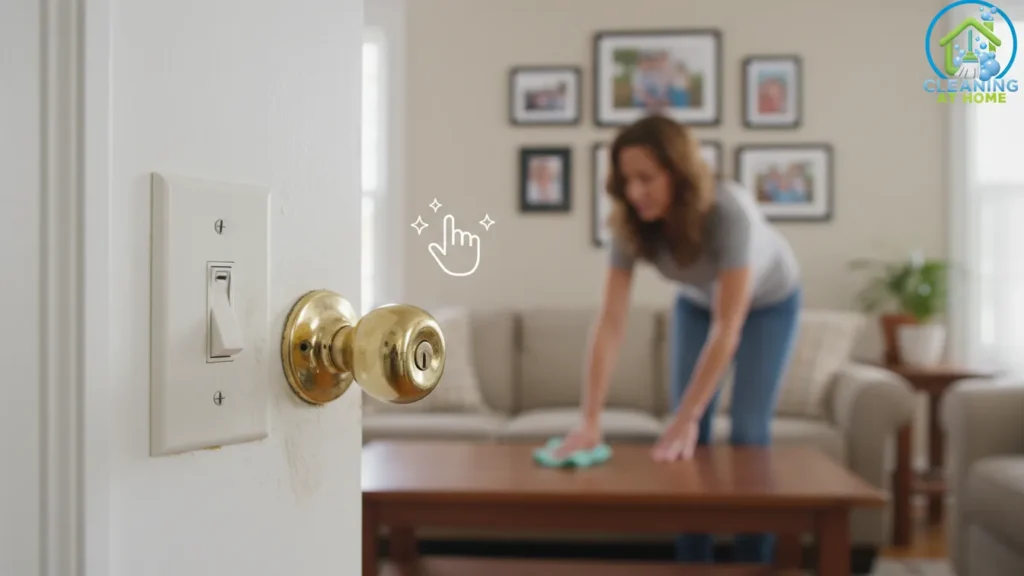
High-touch areas include things like door handles, light switches, cabinet pulls, appliance buttons, faucet handles, and remote controls. Hands move from surface to surface all day long, transferring oils, dirt, and residue. Even when the rest of the room looks clean, these areas quietly collect buildup.
When high-touch spots are ignored, the home can feel less clean than it appears. You may wipe counters and sweep floors, yet something still feels off. That “unfinished” feeling often comes from these small but heavily used details being missed day after day.
Another issue is inconsistency. Many people clean these areas occasionally, but not often enough to keep up with daily use. Without a simple habit in place, they fall outside the regular routine and only get attention during deeper cleaning sessions.
Daily cleaning doesn’t require scrubbing every surface. It’s about awareness. A quick wipe of the most-used spots takes very little time but makes a noticeable difference in how clean and maintained a space feels. Adding high-touch areas to your daily awareness — not necessarily your full checklist — helps create a cleaner environment with minimal extra effort.
Paying attention to what’s touched most often keeps your daily routine balanced and prevents small details from undermining all the work you’re already doing.
Doing Daily Tasks That Don’t Actually Need to Be Done
A common daily cleaning mistake is spending time on tasks that don’t truly need daily attention. These habits usually form over time, often based on routines learned in the past or the idea that “this is what you’re supposed to do every day.” The result is unnecessary work that adds pressure without improving cleanliness.
Many people repeat the same tasks daily out of fear that skipping them means falling behind. They vacuum areas that haven’t been used, wipe shelves with no dust, or reorganize items that are already in place. While these actions feel responsible, they quietly drain time and energy that could be better used elsewhere — or not used at all.
The problem isn’t the task itself, but the frequency. Not everything in a home needs daily attention to stay clean. When routines are filled with unnecessary tasks, daily cleaning starts to feel overwhelming, even when the home isn’t particularly dirty. This often leads to burnout and frustration.
Another downside is loss of focus. When you’re busy doing tasks that don’t matter that day, it’s easier to miss the things that do. Small messes, high-touch areas, or functional maintenance get pushed aside while energy is spent on habits that offer little return.
Effective daily cleaning is about choosing what matters today. Letting go of tasks that don’t need daily repetition creates a lighter routine and helps cleaning feel purposeful instead of obligatory. By adjusting frequency to real needs, daily cleaning becomes more sustainable and far less exhausting.
Skipping Simple Daily Maintenance Habits
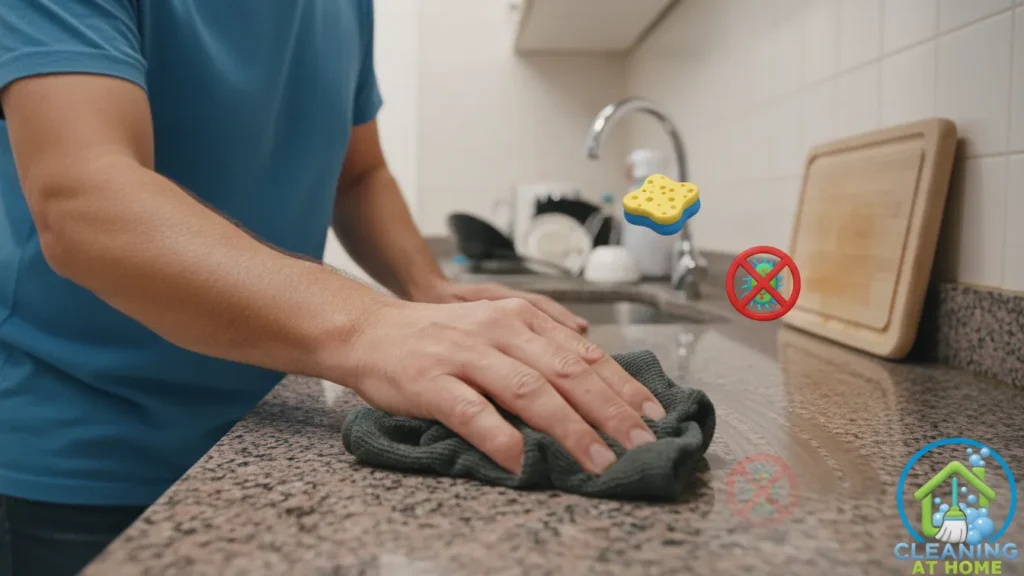
Skipping small daily maintenance habits is a mistake that often goes unnoticed because the consequences aren’t immediate. These habits don’t look like “real cleaning,” so they’re easy to ignore when time is limited. However, when simple maintenance is skipped day after day, cleaning quickly becomes heavier and more time-consuming.
Daily maintenance includes small actions like putting items back where they belong, wiping up spills right after they happen, emptying the trash before it overflows, or doing a quick reset of frequently used areas. Each task takes only a moment, but together they prevent mess from building up.
When these habits are skipped, dirt and clutter accumulate quietly. A sink left unchecked becomes harder to clean. A floor that isn’t quickly swept starts to feel gritty. A counter that isn’t reset becomes cluttered and harder to use. None of this happens overnight, which is why the habit continues — until the workload suddenly feels overwhelming.
Another issue is that skipping maintenance often leads to rushed cleaning later. Instead of light daily tasks, you’re forced into longer, more draining sessions just to get back to a baseline. This creates a cycle where cleaning feels like a burden instead of a manageable routine.
Daily cleaning works best when maintenance is treated as part of living in the home, not an extra task. Small, consistent habits reduce the need for bigger cleanups and help your home stay functional, comfortable, and easier to care for every day.
Cleaning Based on Habit Instead of Need
Cleaning based on habit rather than actual need is one of the most ingrained daily mistakes. Many routines are followed automatically, without checking whether the task is still necessary. Over time, cleaning turns into a series of motions instead of intentional actions.
Habit-based cleaning often sounds like this: “I always do this every day,” even when nothing has changed. The room hasn’t been used, the surface isn’t dirty, and yet the task is done anyway. While habits can be helpful, they become inefficient when they’re no longer aligned with real conditions in the home.
The downside of cleaning on autopilot is wasted effort. Energy is spent repeating tasks that don’t add value, while areas that actually need attention may be missed. This creates imbalance — some spaces are over-cleaned while others quietly fall behind.
Another issue is disconnection. When cleaning is driven purely by habit, it’s easy to lose awareness of your home’s actual needs. You may finish your routine and still feel unsatisfied, because the tasks completed didn’t match what the space truly required that day.
Effective daily cleaning is responsive. It adapts to how the home was used, who was there, and what actually happened during the day. Taking a brief moment to observe before starting allows you to shift from automatic behavior to intentional care.
Letting go of rigid habits doesn’t mean abandoning routine. It means allowing flexibility. When cleaning is guided by need instead of routine alone, it becomes more efficient, more satisfying, and far less draining over time.
How Fixing Small Daily Cleaning Mistakes Improves Your Routine
Fixing daily cleaning mistakes doesn’t require a complete overhaul of your routine. In fact, the biggest improvements usually come from small, consistent adjustments. When minor errors are corrected, daily cleaning starts to feel lighter, more effective, and far less frustrating.
One of the first changes people notice is time. When you stop repeating unnecessary tasks, overusing products, or cleaning out of order, you naturally spend less time cleaning each day. That time isn’t replaced with more work — it’s simply saved. Daily cleaning becomes something that fits into your life instead of competing with it.
Another improvement is better results. Surfaces stay cleaner longer, rooms feel more balanced, and mess doesn’t build up as quickly. This happens because your effort is finally aligned with real needs. Instead of fighting against your home, you’re working with how it’s actually used.
There’s also a mental shift. When cleaning stops feeling endless, it becomes less stressful. You gain confidence in your routine because you can see that what you’re doing works. That sense of control reduces the urge to overclean or rush through tasks just to feel “done.”
Correcting daily mistakes also makes future cleaning easier. Maintenance becomes natural, not forced. Small habits — like addressing messes quickly or paying attention to high-touch areas — prevent bigger problems from forming. Over time, this creates a steady rhythm that supports both your home and your energy.
Daily cleaning isn’t about doing everything right. It’s about removing what doesn’t serve you. By fixing small mistakes, you create a routine that’s simpler, more intentional, and sustainable — one that helps your home stay comfortable without demanding more than it should.