
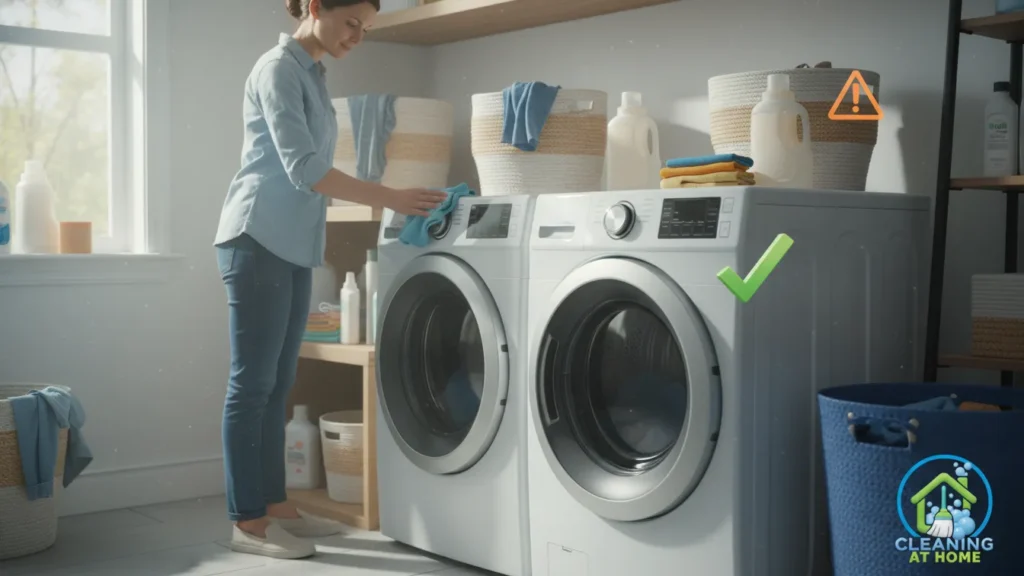
Why the Laundry Room Is Often Overlooked in Cleaning Routines
The laundry room is one of the most used spaces in the house, yet it’s also one of the most ignored when it comes to cleaning. This happens not because people don’t care about it, but because the laundry room rarely feels urgent. Unlike the kitchen or bathroom, mess in the laundry room doesn’t usually affect daily comfort right away.
For many households, the laundry room is seen as a functional space, not a living space. People go in, start a load, move clothes, and leave. Because time spent there is short, dirt and buildup go unnoticed. Lint, dust, detergent residue, and moisture slowly accumulate in the background without triggering immediate action.
Another reason the laundry room is overlooked is misplaced confidence in machines. Washing machines and dryers are associated with cleanliness, so it’s easy to assume the surrounding area stays clean as well. In reality, these machines produce lint, humidity, and residue that settle on surfaces, floors, and corners over time.

The laundry room is also often treated as a temporary storage area. Cleaning products, baskets, empty containers, and random household items tend to end up there. Because these items are related to chores, the clutter feels “acceptable,” which makes it easier to ignore.
There’s also a routine disconnect. Laundry is usually done on a schedule—once or twice a week—while cleaning routines focus on daily or visible messes. Since the laundry room doesn’t demand daily attention, it falls outside regular cleaning habits altogether.
The problem with ignoring the laundry room is that small issues slowly turn into bigger ones. Lint buildup can affect dryer performance, residue can create odors, and dust can spread to clean clothes. What seems harmless at first can quietly create extra work and even safety concerns later.
Understanding why the laundry room is overlooked is the first step to fixing it. Once you recognize that it needs light, regular attention—not deep cleaning—you can prevent buildup before it becomes a problem. In the next sections, we’ll look at the hidden dirt most people don’t realize is collecting in this often-forgotten space.
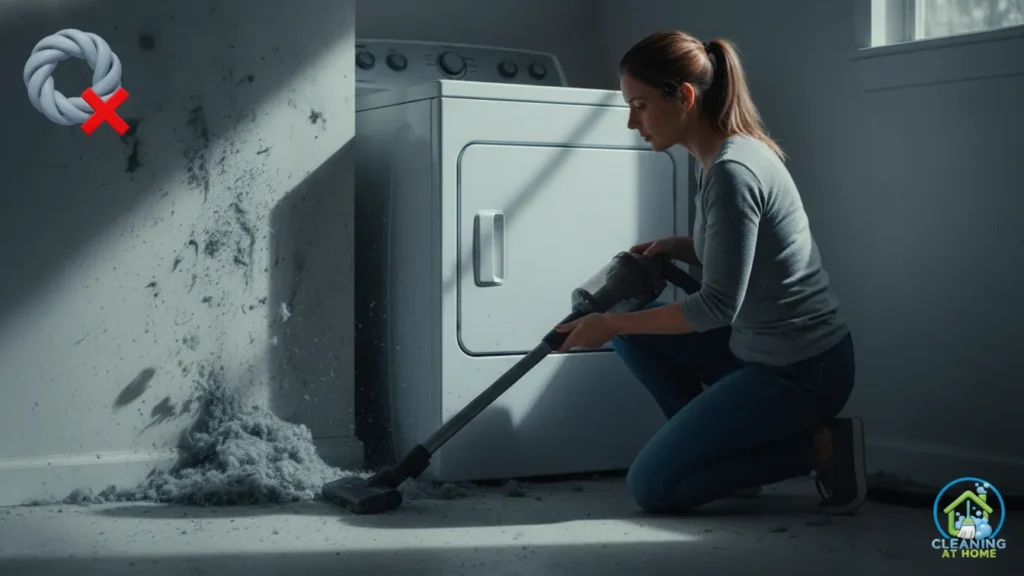
The Hidden Dirt That Builds Up in the Laundry Room
At first glance, the laundry room often looks clean enough. There’s usually no food, no obvious spills, and no strong smells. But the truth is that this space quietly collects dirt in ways that are easy to miss. Because the buildup happens slowly and out of sight, it rarely triggers a cleaning response until a problem appears.
One of the most common forms of hidden dirt is lint dust. Every time clothes are washed and dried, tiny fibers are released into the air. Even with a lint trap, not all of these fibers are captured. They settle on shelves, behind machines, on walls, and along baseboards. Over time, this fine dust layer can spread to freshly washed clothes and make the room feel stale.
Another issue is detergent and softener residue. Spills, drips, and splashes often go unnoticed around washing machines. Liquid detergent can leave sticky patches on the floor or counter, which attract dust and lint. Powder detergent can harden in corners and around containers, creating buildup that’s easy to ignore but difficult to remove later.
Moisture is another hidden problem. Washing machines release humidity into the room, especially in small or poorly ventilated spaces. That moisture settles into corners, under machines, and along walls. Over time, it can lead to musty smells or discoloration, even if there’s no visible water.
The areas behind and under machines are also commonly forgotten. These spots collect lint, dust, lost socks, and sometimes detergent residue. Because machines aren’t moved often, dirt accumulates for months or even years without being noticed.
Even storage areas contribute to hidden dirt. Shelves holding baskets, products, or folded laundry slowly gather dust. Since these items are associated with cleaning, the space can look organized while still being dirty.
Recognizing these hidden sources of dirt helps explain why the laundry room can feel unpleasant despite regular laundry. In the next section, we’ll look at the most common mistakes people make when cleaning this space—and how to avoid them before problems develop.
The Most Common Laundry Room Cleaning Mistakes
When people do clean the laundry room, they often focus on the most obvious areas and unintentionally miss what actually causes problems. These common mistakes don’t come from neglect—they come from not realizing what truly needs attention in this space.
One of the biggest mistakes is only cleaning what’s visible. Wiping the counter or sweeping the floor may make the room look better, but it ignores lint and dust that build up behind machines, along baseboards, and in corners. These hidden areas are where most laundry room issues begin.
Another frequent mistake is forgetting to clean around the machines. People clean the washer and dryer doors or tops but rarely check underneath or behind them. Over time, lint, dust, and residue collect there and can affect air quality, machine efficiency, and even safety.
Many people also make the mistake of overlooking detergent spills and residue. Liquid detergent that drips onto the floor or counter often feels harmless, but it creates sticky spots that attract lint and dirt. These areas quickly become buildup zones if they’re not wiped regularly.
Skipping ventilation checks is another common issue. Laundry rooms often have limited airflow, and people forget to check vents, exhaust covers, or even open the door after doing laundry. Poor ventilation allows moisture and lint to linger, which can lead to odors or dampness over time.
Some people also assume that laundry products are self-cleaning. Detergent bottles, fabric softener containers, and baskets often collect residue and dust at the bottom. Because these items are related to cleaning, they’re rarely wiped down, even though they contribute to mess.
Finally, there’s the mistake of cleaning too infrequently. Waiting until the laundry room looks visibly dirty usually means buildup has already formed. Light, regular cleaning prevents these problems and keeps the space easier to manage.
Understanding these mistakes helps you avoid them. In the next sections, we’ll look at specific areas—starting with the washing machine—that most people forget to clean and how to handle them simply.
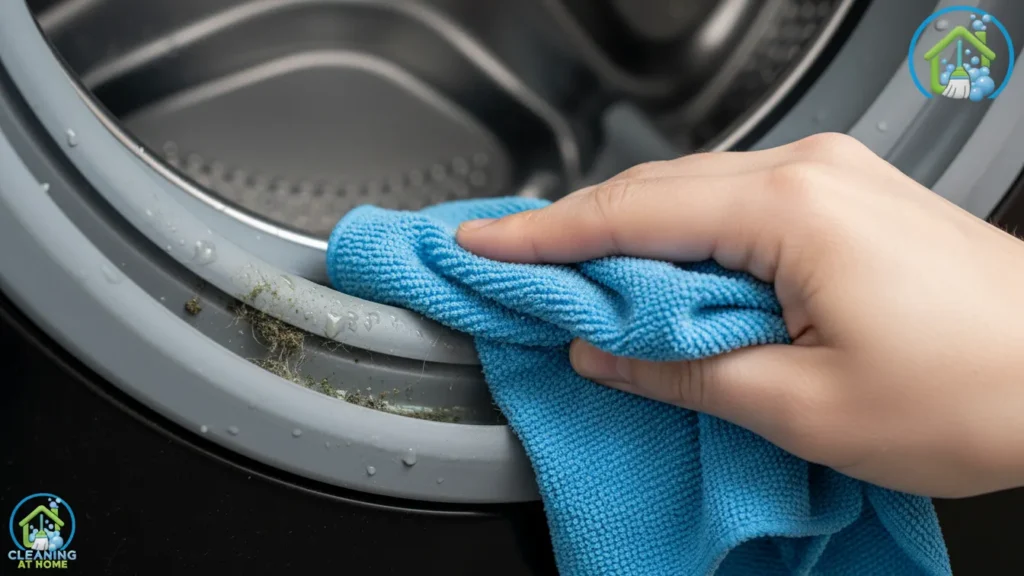
What People Forget to Clean in and Around the Washing Machine
The washing machine is often assumed to stay clean because it washes clothes, but this is one of the biggest misconceptions in the laundry room. In reality, the areas in and around the machine quietly collect residue, moisture, and dirt—and these are usually the most forgotten spots.
One commonly overlooked area is the detergent drawer or dispenser. Liquid detergent and fabric softener leave residue that builds up over time. This residue can become sticky, trap dirt, and even develop odors. Many people never remove or rinse this drawer, even though it’s one of the main contact points for cleaning products.
Another forgotten spot is the rubber door seal, especially on front-loading machines. Moisture, lint, and small debris collect in the folds of the seal. If this area isn’t wiped regularly, it can start to smell and transfer that odor to clean clothes.
People also forget to clean the top and sides of the washing machine. These flat surfaces collect lint dust and detergent splashes, especially if products are stored nearby. Because the machine is white or light-colored, the buildup isn’t always obvious at first.
The area behind the washing machine is another major blind spot. Lint, dust, and sometimes moisture settle there and remain untouched for months. Even checking this space occasionally can prevent heavy buildup and make future cleaning much easier.
Underneath the machine, small items like socks, lint clumps, and dust often gather. While you don’t need to move the machine often, pulling it out occasionally or using a long-handled tool to clean underneath helps keep the area under control.
Finally, many people forget about the exterior buttons and handles. These are touched frequently with detergent-covered hands and can collect grime over time. A quick wipe now and then is enough to keep them clean.
Paying attention to these forgotten areas doesn’t require deep cleaning or special products. Small, regular wipes prevent odors, improve machine performance, and keep the laundry room feeling truly clean—not just clean on the surface.
What People Forget to Clean in and Around the Dryer
The dryer is another appliance that’s often assumed to be clean simply because it produces dry, warm clothes. In reality, it’s one of the biggest sources of buildup in the laundry room—and one of the most forgotten when it comes to cleaning.
The most obvious area people forget is the lint trap housing, not just the lint screen itself. While many people clean the screen after each load, lint still escapes and settles inside the compartment. Over time, this buildup can reduce airflow and make the dryer work harder than necessary.
Another commonly ignored spot is the area behind the dryer. Lint easily escapes from the back and settles on the floor and wall. Because dryers are heavy and rarely moved, this area can collect thick layers of lint and dust without being noticed.
People also forget to clean the top and sides of the dryer. These flat surfaces act like shelves for lint dust, especially if the dryer is used frequently. Because lint is light and blends into the surface, it often goes unnoticed.
The dryer door and handle are also easy to miss. These areas are touched with hands that may have detergent residue or lint on them. Over time, this creates a dull, sticky buildup that doesn’t get removed during regular cleaning.
Another overlooked area is the vent opening inside the dryer. While this shouldn’t be cleaned deeply without proper tools, gently checking for visible lint buildup can help prevent airflow problems. Many people never look at this area at all.
Finally, the floor underneath the dryer often collects lint, dust, and small debris. Even if you can’t move the dryer often, using a vacuum attachment or long-handled tool occasionally helps keep this area from becoming a hidden mess.
Cleaning these forgotten dryer areas doesn’t take long, but it plays a big role in keeping the laundry room cleaner, reducing lint spread, and helping the dryer run more efficiently over time.
👉 How to Clean a Bathroom Step by Step

How Lint, Dust, and Residue Affect Laundry Performance
Lint, dust, and residue may seem like small issues in the laundry room, but over time they can quietly affect how well your laundry routine works. These buildups don’t just make the room dirtier—they can interfere with machine performance, fabric freshness, and overall efficiency.
Lint buildup is one of the biggest hidden problems. When lint escapes from the dryer or washing machine area, it spreads easily and settles on nearby surfaces, floors, and even clean clothes. In dryers, excess lint can reduce airflow, which means clothes take longer to dry and the machine works harder than it should. This extra strain can shorten the lifespan of the appliance and increase energy use.
Dust accumulation has a similar effect. Dust mixed with lint creates thicker layers of debris, especially behind and under machines. This can clog vents, restrict airflow, and contribute to musty smells in the laundry room. Over time, these odors can transfer to freshly washed clothes, making them feel less clean even after washing.
Detergent and fabric softener residue also plays a role. When residue builds up in dispensers, on machine surfaces, or on nearby counters, it can attract dirt and lint. Inside the washing machine, excess residue may prevent clothes from rinsing properly, leaving them feeling stiff or dull instead of fresh.
Moisture trapped by lint and residue can make the problem worse. Damp lint holds odors and creates an environment where smells linger. In poorly ventilated laundry rooms, this combination can make the space feel stuffy and unpleasant.
The good news is that these issues are preventable. Light, regular cleaning keeps lint, dust, and residue from reaching levels that affect performance. By paying attention to these details, your machines run more efficiently, clothes come out cleaner, and the laundry room stays fresher with less effort over time.
In the next section, we’ll look at how to properly clean sinks, countertops, and storage areas in the laundry room—spots that often contribute to hidden buildup without being noticed.
Cleaning the Sink, Countertops, and Storage Areas Properly
The sink, countertops, and storage areas in the laundry room often look clean at first glance, but they quietly collect residue and dust that affect the space over time. Because these areas support cleaning tasks, people tend to overlook them, assuming they stay clean on their own.
Start with the laundry sink, if you have one. Lint, detergent residue, and dirt from hand-washing items build up quickly. Rinse the sink after use and wipe it down regularly with a cloth. Pay attention to the drain area, where residue and debris tend to settle and create odors if ignored.
Next, focus on countertops and flat surfaces. These areas often hold detergent bottles, baskets, and cleaning supplies. Remove items first, then wipe the surface underneath. Detergent drips create sticky spots that attract lint and dust, so even a quick wipe makes a noticeable difference.
Storage shelves and cabinets are another commonly forgotten area. Shelves collect lint dust, especially if they’re open. Take a moment to wipe them down occasionally, and don’t forget the bottoms of baskets and containers, which often carry residue and dust back onto clean surfaces.
Handles and cabinet doors also deserve attention. They’re touched frequently with hands that may have detergent on them, leading to buildup over time. A quick wipe keeps them clean and prevents sticky spots from forming.
The key is consistency. These areas don’t need deep cleaning often, but light, regular maintenance prevents buildup from spreading and keeps the laundry room feeling clean and functional instead of neglected.
In the next section, we’ll look at floors, drains, and corners—areas where dirt and moisture tend to settle and are easy to forget.
👉 Kitchen Cleaning Routine (Daily)

What to Do With Floors, Drains, and Corners in the Laundry Room
Floors, drains, and corners are some of the most neglected areas in the laundry room, yet they collect more dirt than almost any other part of the space. Because they’re low and out of sight, buildup can go unnoticed for long periods, slowly affecting cleanliness and even air quality.
Start with the floor. Lint, dust, and detergent residue often settle around and under machines. A quick sweep or vacuum removes most of this buildup. Focus on areas behind the washer and dryer, along baseboards, and under shelves. You don’t need to mop often, but wiping up sticky spots from detergent spills helps prevent dirt from sticking.
If your laundry room has a floor drain, it deserves occasional attention. Lint, hair, and residue can collect around the drain opening, creating odors or slow drainage. Clearing visible debris and rinsing the area lightly keeps it functioning properly without requiring deep cleaning.
Corners are another trouble spot. Moisture, lint, and dust tend to settle there and stay undisturbed. Wiping corners or running a vacuum attachment along them helps keep buildup under control and prevents musty smells from forming.
Pay attention to baseboards and edges. These areas collect fine lint dust that spreads easily when disturbed. A quick wipe or vacuum pass makes a noticeable difference and keeps the room from feeling dusty.
Cleaning these low-level areas doesn’t need to happen every time you do laundry. Even occasional attention prevents heavy buildup and keeps the laundry room cleaner, fresher, and easier to maintain overall.
How Often the Laundry Room Really Needs Cleaning
The laundry room doesn’t need constant attention, but it also shouldn’t be ignored for long periods. The key is understanding what needs frequent care and what can wait, so cleaning stays light and preventive instead of becoming a bigger project later.
On a weekly basis, the laundry room benefits from a quick reset. This includes wiping visible surfaces, clearing detergent drips, emptying lint from around machines, and doing a fast sweep or vacuum of the floor. These small actions take only a few minutes and prevent lint, dust, and residue from building up.
Some areas need attention every time you do laundry. The lint trap should always be cleaned, and any detergent spills should be wiped immediately. Leaving spills to dry creates sticky spots that attract dirt and make future cleaning harder.
Other tasks can be done monthly or occasionally. These include checking behind and under machines, wiping shelves and storage areas, and cleaning the detergent drawer or door seals more thoroughly. These steps help prevent odors and performance issues but don’t need to be part of every routine.
The exact frequency also depends on how often you do laundry and how much the room is used. A busy household with frequent loads will need more regular attention than a space that’s used occasionally. Pets, limited ventilation, or a small laundry room can also increase the need for light cleaning.
The goal isn’t to follow a strict schedule—it’s to prevent buildup. When the laundry room is cleaned lightly and consistently, it never reaches a point where deep cleaning feels overwhelming. In the next section, we’ll look at simple habits that help keep the laundry room clean longer with minimal effort.

Simple Habits That Keep the Laundry Room Clean Longer
Keeping the laundry room clean doesn’t require extra cleaning sessions—it requires a few small habits that prevent buildup before it starts. These habits are easy to maintain and work quietly in the background, making the space easier to manage over time.
One of the most effective habits is wiping spills immediately. Detergent and fabric softener drips are common, and when they’re left to dry, they become sticky and attract lint and dust. Taking a few seconds to wipe spills as they happen prevents residue from forming and keeps surfaces cleaner with no extra effort later.
Another helpful habit is clearing lint beyond the lint trap. While cleaning the lint screen is routine, quickly checking the area around the dryer—especially the floor and nearby surfaces—helps stop lint from spreading through the room. This small step reduces dust buildup and keeps the space feeling fresher.
It also helps to leave space to breathe. Avoid overcrowding shelves and counters with products and baskets. When surfaces are packed, dust and lint collect more easily and cleaning takes longer. Fewer items mean faster wipes and better airflow.
Managing moisture is another key habit. Ventilate the laundry room after use by opening the door or window, or turning on a fan if available. Reducing humidity helps prevent musty smells and keeps lint and dust from clinging to surfaces.
Finally, get into the habit of resetting the room briefly after laundry. Put products back in place, empty trash if needed, and give the room a quick look before leaving. This one-minute reset keeps small messes from becoming bigger ones.
These habits don’t feel like cleaning, but they protect the laundry room from neglect. Over time, they reduce odors, improve cleanliness, and make deeper cleaning far less necessary.
Signs Your Laundry Room Needs Immediate Attention
Even with light, regular cleaning, there are times when the laundry room sends clear signals that something needs attention right away. These signs are easy to miss at first, but recognizing them early helps prevent bigger problems later.
One of the most obvious signs is persistent odors. If the laundry room smells musty or stale even when no laundry is running, it usually means moisture, lint, or residue has built up somewhere. This could be in the washing machine seal, detergent drawer, floor drain, or behind appliances.
Another warning sign is visible lint dust on surfaces that were recently cleaned. If lint seems to reappear quickly, it may be escaping from behind the dryer or accumulating around vents and corners. This often indicates that hidden areas need attention, not just the visible ones.
Pay attention to sticky floors or counters. If surfaces feel tacky, detergent or softener residue is likely present. Left unaddressed, this residue attracts more dirt and makes future cleaning harder.
Changes in machine performance can also be a sign. Clothes taking longer to dry, unusual noises, or damp laundry may point to lint buildup or airflow issues in the dryer area. These problems often start quietly in neglected spots.
Clutter is another signal. When baskets, products, and supplies start piling up, the laundry room becomes harder to clean and easier to ignore. This visual clutter often hides dirt and delays maintenance.
When you notice these signs, a short, focused cleaning session can restore the space quickly. Acting early prevents odors, improves machine efficiency, and keeps the laundry room safe, functional, and easier to manage.

How a Clean Laundry Room Prevents Bigger Problems
A clean laundry room does more than look better—it quietly prevents problems that can grow over time if the space is ignored. Because this room supports machines, moisture, and cleaning products, small issues can turn into costly or stressful situations when they’re not addressed early.
One of the biggest benefits of a clean laundry room is better machine performance. When lint, dust, and residue are kept under control, washers and dryers run more efficiently. Airflow improves, drying times stay consistent, and machines don’t have to work harder than necessary. This helps extend their lifespan and reduces unexpected issues.
Cleanliness also plays a role in preventing odors and moisture problems. Regularly wiping surfaces, managing humidity, and clearing hidden buildup keeps musty smells from forming and spreading to clean clothes. A fresh laundry room means clothes smell cleaner and the space feels more pleasant to use.
Another important benefit is safety. Excess lint, especially around dryers, can create fire risks if allowed to build up. Keeping floors, vents, and hidden areas clean reduces this risk and helps maintain a safer home environment.
A well-maintained laundry room also prevents extra cleaning work elsewhere. When lint and dust are contained, they’re less likely to travel to nearby rooms or settle on freshly washed laundry. This saves time and effort in the long run.
Finally, a clean laundry room supports consistency. When the space feels functional and manageable, you’re more likely to keep up with light maintenance instead of avoiding it. Small habits add up, and prevention becomes easier than repair.
By giving the laundry room regular, simple attention, you protect your machines, your clothes, and your time—turning an often-forgotten space into one that quietly works in your favor every day.