Why the Living Room Gets Messy Faster Than You Expect
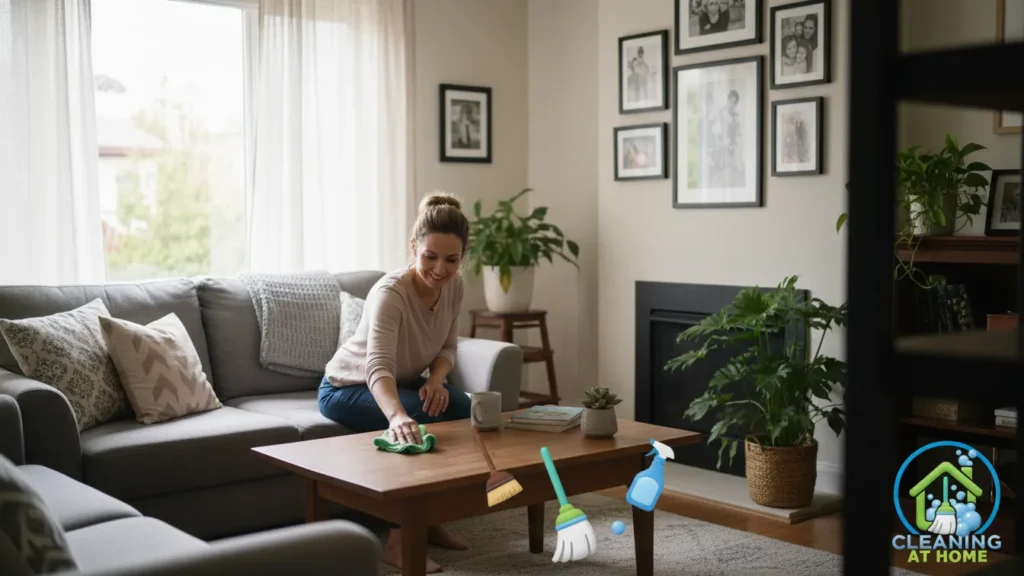
The living room often looks messy sooner than any other room in the house, and that happens for a simple reason: it’s the most used shared space. Even when no one is actively “using” it, people pass through, sit down, drop items, and move on. Over the course of a day, small actions quietly add up.
The living room collects everyone’s habits. Remote controls, cups, blankets, toys, books, bags, pet hair, and shoes tend to land there because it feels convenient. Since it’s a social space, people rarely stop to reset it each time they use it. One item out of place doesn’t feel like a problem—until there are many.
Another reason the living room gets messy fast is visual exposure. Unlike kitchens or bedrooms, where mess can be partially hidden, living rooms usually have open surfaces. Coffee tables, sofas, shelves, and floors are all visible at once. When a few items are left out, the room looks cluttered very quickly, even if it isn’t truly dirty.
There’s also a mental delay factor. Because the living room is shared, people often assume they’ll clean it “later” or that someone else will handle it. This creates a slow buildup rather than one big mess. By the time cleaning feels necessary, the room seems more overwhelming than it actually is.
For busy people, the biggest issue is time perception. A messy living room feels like it will take a long time to fix, so cleaning gets postponed. In reality, most living room messes are surface-level. The problem isn’t the amount of work—it’s not knowing where to start or what really matters.
It’s also important to understand that a messy living room doesn’t mean the home is disorganized. It means the room is doing its job. It’s being lived in. The goal isn’t to keep it perfect at all times, but to have a simple way to reset it quickly.
Once you recognize why the living room gets messy so fast, cleaning becomes less frustrating. You stop seeing the mess as failure and start seeing it as something that needs a short, structured reset.
In the next sections, you’ll learn how to clean the living room using a clear checklist that focuses on speed, visual impact, and the areas that matter most—so the room can look good again without taking up your time.
What “Cleaning the Living Room” Means When You’re Busy
When you’re busy, cleaning the living room needs a very different definition. If “cleaning” means vacuuming every corner, dusting shelves, fluffing pillows, and reorganizing décor, it quickly becomes a task you’ll keep postponing. That kind of cleaning doesn’t fit into real, everyday life.
For busy people, cleaning the living room means resetting the space, not perfecting it.
A reset is about making the room look calm, usable, and welcoming again in a short amount of time. It focuses on what your eyes notice first and what affects how the room feels when you walk in. This approach respects limited energy and tight schedules.
In practical terms, cleaning the living room when you’re busy usually means:
- Picking up items that don’t belong there
- Straightening cushions and blankets
- Clearing visible surfaces
- Handling obvious floor mess
That’s enough to change the entire atmosphere of the room.
It also means accepting that some things can wait. You don’t need to dust decorations, clean windows, or deep-clean rugs every time. Those tasks belong to weekly or occasional routines. Daily or quick cleaning should never include jobs that slow you down or require extra tools.
Another important part of this definition is speed with intention. Busy people don’t need more cleaning advice—they need clarity. Knowing exactly what to do, in what order, prevents overthinking and wasted time. A simple checklist removes decision-making and helps you finish faster.
It’s also okay if cleaning looks different from day to day. On very busy days, cleaning might take five minutes. On calmer days, you might do a little more. Both still count. Consistency matters more than intensity.
When cleaning the living room is defined as a fast reset instead of a full task, it stops feeling like a burden. It becomes something you can fit into your day—without stress, guilt, or the feeling that you’re always behind.
The Biggest Time-Wasting Mistake in Living Room Cleaning
The biggest time-wasting mistake people make when cleaning the living room is trying to do everything at once. Instead of focusing on quick wins, they treat the task like a full cleaning session—dusting shelves, adjusting décor, vacuuming every corner, and rearranging items that don’t actually need attention right now. For busy people, this approach almost guarantees frustration and delay.
Another common mistake is starting without a clear plan. People walk into the living room, notice multiple messes at the same time, and jump from one task to another. They pick up a pillow, then move a cup, then straighten a shelf, then notice the floor. This scattered approach uses more energy than necessary and makes it feel like nothing is getting done, even when time is passing.
Many people also waste time by cleaning low-impact areas first. They might adjust décor items or dust a shelf while the coffee table is still cluttered and the floor has visible mess. Because the most noticeable areas haven’t changed, the room still looks messy, which makes the effort feel pointless.
Another trap is over-organizing during a quick clean. Sorting magazines, arranging books, or deciding where items should permanently live turns a fast reset into a long project. These decisions slow everything down and are better saved for a separate organizing session.
Finally, there’s the mistake of waiting for “enough time.” Busy people often postpone cleaning because they think it requires a long, uninterrupted block of time. In reality, most living room mess can be handled in minutes when the focus stays on visible impact.
The solution is not working faster—it’s working simpler. When you stop trying to clean perfectly and start cleaning strategically, the living room resets quickly and efficiently.
In the next section, you’ll see a clear, at-a-glance checklist that shows exactly what to do—and what to ignore—so you can clean the living room without wasting time.
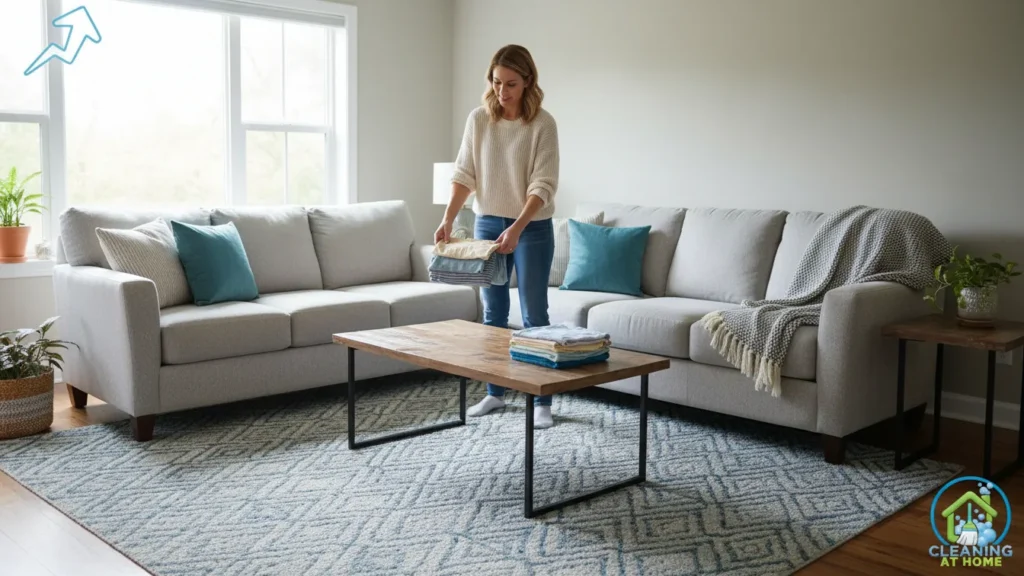
The Living Room Cleaning Checklist (At-a-Glance)
When time is limited, the biggest help is clarity. A checklist works because it removes thinking from the process. You don’t decide what to clean—you simply follow a short sequence that delivers the most visible results in the least amount of time.
This living room checklist is designed to be fast, practical, and flexible. You can complete all steps or stop early if time runs out. Even partial completion will noticeably improve how the room looks and feels.
Here’s the at-a-glance living room cleaning checklist:
- Pick up items that don’t belong
Gather cups, dishes, toys, bags, papers, and anything that belongs in another room. Don’t organize—just remove. - Reset the sofa area
Straighten cushions, fold or drape blankets neatly, and clear the seating area. - Clear main surfaces
Coffee table, side tables, and media stand should be mostly clear. Leave only a few intentional items. - Quick surface wipe (optional)
If there are visible marks, do a fast wipe. Skip dusting if time is tight. - Handle visible floor mess
Pick up items from the floor and do a quick sweep or vacuum in high-traffic spots.
That’s it. This checklist covers what the eye notices first and what affects the room most. It avoids low-impact tasks that steal time without changing the overall look.
The checklist also works because it’s repeatable. You can use it daily, every other day, or right before guests arrive. The more often you use it, the faster it becomes.
In the next sections, we’ll break this checklist down step by step, starting with what to pick up first to create instant visual impact—even if you only have a few minutes.
What to Pick Up First for Instant Visual Impact
When you’re short on time, the order in which you pick things up matters more than how much you clean. The goal here is to make the living room look better as quickly as possible. That’s what creates instant relief and motivates you to keep going—or lets you stop without guilt.
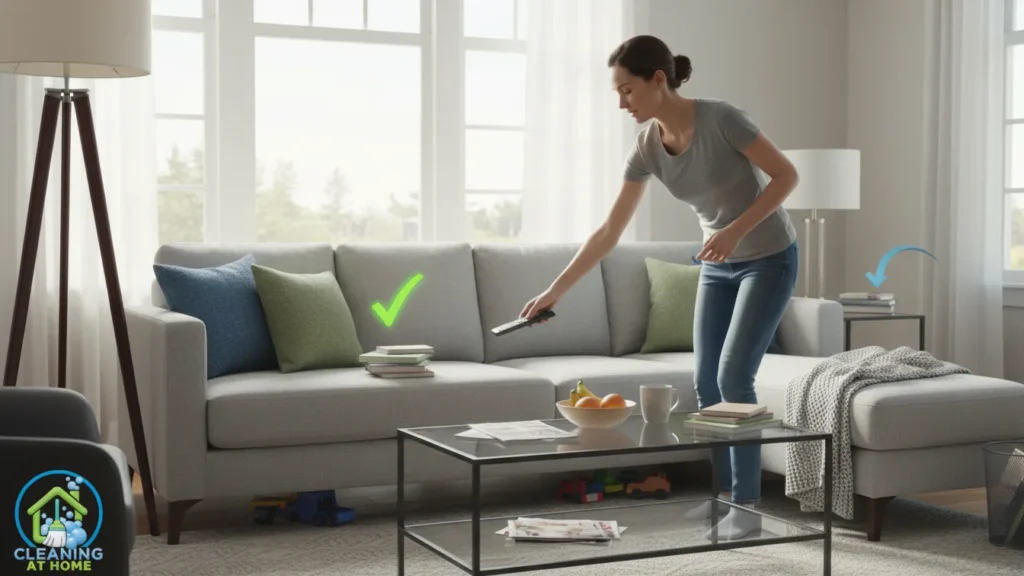
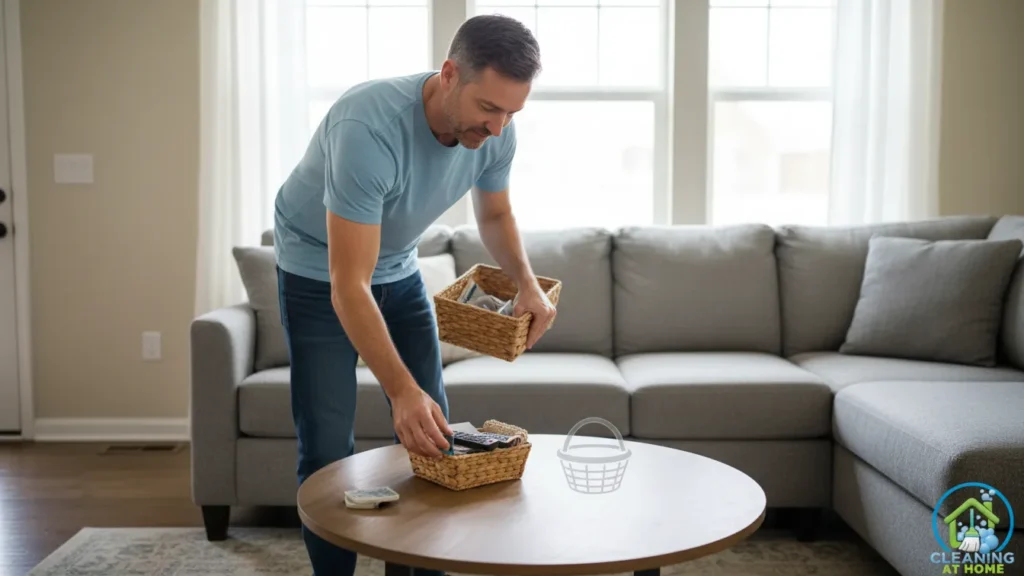
Start with items that clearly don’t belong in the living room. This includes cups, plates, food wrappers, bags, shoes, toys, papers, and anything that should be in another room. Walk through the space once and gather these items into your hands or a small basket. Don’t organize them yet—just remove them from the room.
Next, focus on the largest visible clutter. These are items that take up visual space even if there aren’t many of them. Blankets piled on the sofa, clothes draped over chairs, or stacked magazines on the coffee table fall into this category. Folding a blanket or stacking items neatly can change the look of the room in seconds.
After that, look at the main focal point of the living room. This is often the sofa area or coffee table. Clearing this one zone creates a strong visual reset. Even if other areas remain untouched, the room will already feel calmer.
Avoid getting distracted by small items at this stage. Pens, remotes, or decorative objects don’t deliver the same impact and can slow you down. You can deal with them later if time allows.
This approach works because it targets what the eye notices first. By removing the biggest sources of visual clutter early, the living room transforms quickly—sometimes in just a few minutes.
In the next section, you’ll see how to clean living room surfaces fast, without turning a quick reset into a full cleaning project.
👉 Kitchen Cleaning Routine (Daily)
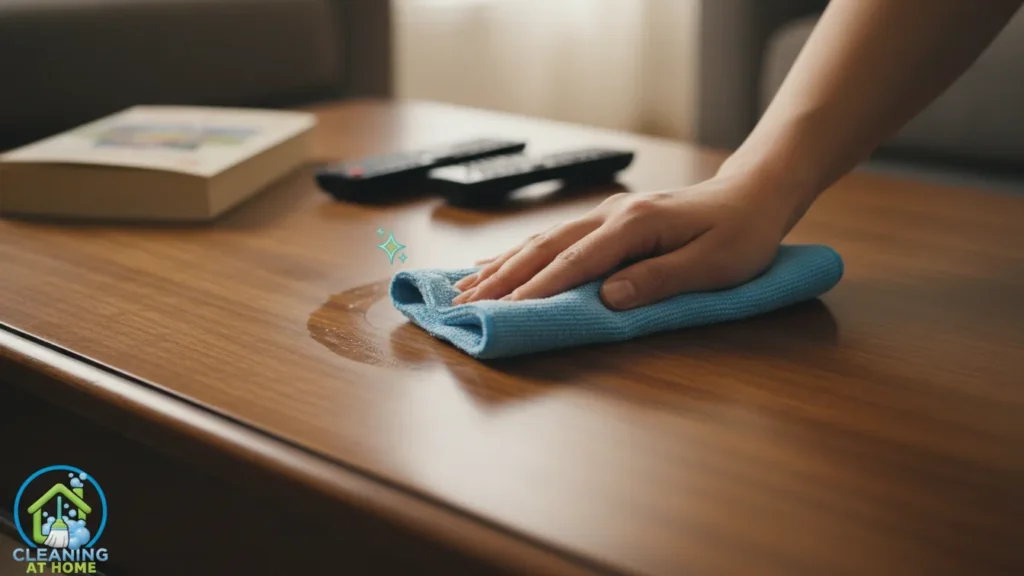
How to Clean Living Room Surfaces in Minutes
Living room surfaces tend to collect clutter faster than dirt. Coffee tables, side tables, shelves, and media stands often become temporary storage for everyday items, which is why they can look messy even when nothing is actually dirty. Cleaning these surfaces quickly is about clearing and resetting, not detailed dusting.
Start with one surface at a time. Jumping between tables and shelves creates distraction and slows you down. Choose the most visible surface—usually the coffee table—and focus only there until it’s done.
Remove everything that doesn’t belong permanently on that surface. Cups, remotes, books, chargers, toys, and papers should be picked up and placed in a basket or returned to their proper rooms. Don’t decide where everything lives long-term—just get it off the surface.
Once the surface is mostly clear, do a quick wipe if needed. This step is optional and should only happen if there are visible marks, crumbs, or sticky spots. A fast pass with a cloth is enough. Skip detailed dusting during a time-saving clean.
After wiping, return only a few intentional items. This might be a small decorative object, a tray, or nothing at all. Fewer items make the room feel calmer and make future resets faster.
Repeat the same process for side tables and media units, but stop if time runs out. Even cleaning one or two key surfaces can dramatically improve how the living room looks.
The goal is not to make surfaces perfect—it’s to make them visually quiet. When surfaces are cleared and lightly wiped, the entire living room feels more organized, even if other areas still need attention.
Fast Ways to Handle Floors, Rugs, and Pet Hair
Living room floors are one of the first things people notice, especially in a shared space. Crumbs, dust, and pet hair tend to collect quickly, but cleaning floors doesn’t need to turn into a full vacuuming session every time. The goal here is visible improvement with minimal effort.
Start by checking the high-traffic areas. Focus on the space around the sofa, coffee table, and main walkways. These zones usually hold most of the visible mess and deliver the biggest visual payoff when cleaned.
For hard floors, a quick sweep or dry mop is often enough. You don’t need to clean the entire room—just remove what’s visible. Dry cleaning works faster and avoids the setup time that comes with mopping.
If you have rugs or carpets, spot vacuuming is your best time-saving tool. Run the vacuum only over the areas where people sit or walk most. This takes just a few minutes and instantly makes the room look cleaner.
Pet hair deserves special attention. Instead of a full vacuum every time, use a lint roller, rubber brush, or handheld vacuum on sofa edges, rugs, and pet-favorite spots. These tools are fast and surprisingly effective for daily or quick cleans.
Avoid moving heavy furniture during a time-saving clean. Deep floor cleaning can wait for weekly routines. Right now, you’re aiming for a clean-looking room, not a spotless one.
Handling floors this way keeps the living room presentable without eating into your time. In the next section, you’ll see how to quickly reset blankets, pillows, and throws to make the room feel inviting again.
👉Laundry Room Cleaning: What Most People Forget

What to Do With Blankets, Pillows, and Throws
Blankets, pillows, and throws are some of the biggest contributors to living room mess—but they’re also the easiest to reset. Because they’re soft and flexible, they quickly lose shape and make the room look untidy, even when everything else is clean.
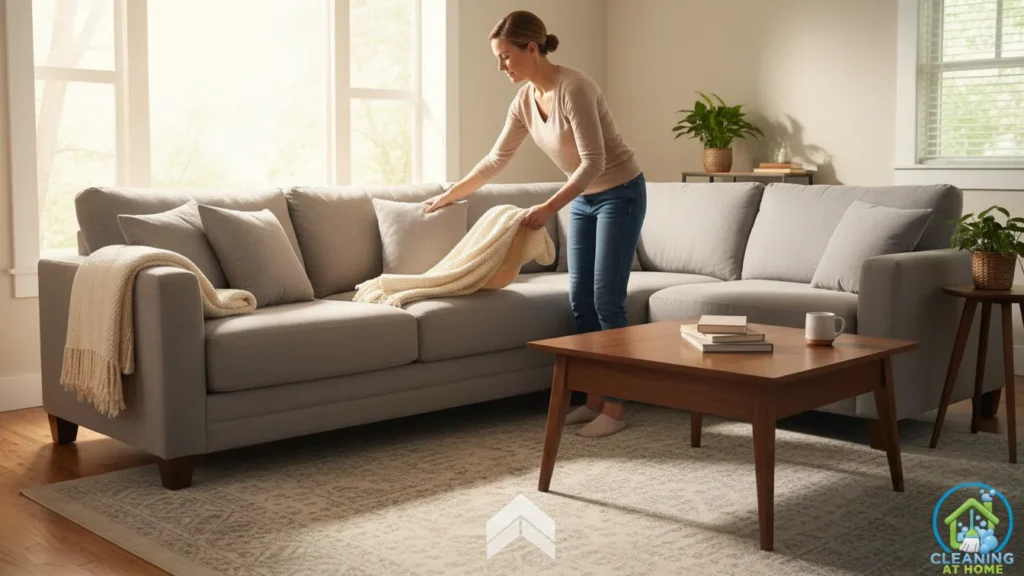
The fastest way to handle them is straightening, not styling. You don’t need perfect folds or decorative arrangements. Simply shake out blankets, fold them once or twice, and place them neatly on the sofa or over an armrest. This alone makes the space look more intentional.
For pillows, focus on alignment and simplicity. Stand or sit them upright and space them evenly. You don’t need to fluff every pillow—just restore basic shape. If there are too many pillows, removing one or two temporarily can instantly reduce visual clutter.
If the living room is used daily, consider creating one consistent “home” for blankets and throws. This could be a basket, ottoman, or a specific corner of the sofa. Having a default place prevents blankets from being spread across the room.
Avoid overthinking color coordination or décor during a quick clean. That turns a fast reset into a decorating project and slows you down. The goal is to make the room feel comfortable and orderly, not staged.
Resetting blankets and pillows takes less than a minute, but it has a big impact. When seating looks tidy, the entire living room feels calmer and more inviting—without requiring any extra time.
How to Reset the Living Room After a Long Day
At the end of a long day, the last thing most people want to do is clean. That’s why resetting the living room at night needs to be fast, light, and non-demanding. This reset isn’t about cleaning deeply—it’s about restoring calm so you can relax and start the next day without visual stress.
Begin with a two-minute pickup. Walk through the living room and collect anything that doesn’t belong there—cups, plates, wrappers, toys, bags, or papers. You don’t need to put everything away perfectly. Just removing these items from the room already changes how it feels.
Next, reset the seating area. Straighten cushions, fold or drape blankets neatly, and clear the sofa. This step takes seconds and makes the room look intentional again, even if the rest of the house is messy.
Then, do a quick surface check. Clear the coffee table and side tables of clutter. If there are visible marks, wipe them quickly. Skip dusting or rearranging décor—this reset should stay simple.
Finally, check the floor for obvious mess. Pick up items from the floor and handle any visible crumbs or pet hair in high-traffic areas. A full vacuum isn’t necessary at night unless something spilled.
This end-of-day reset works because it protects your energy. You’re not cleaning for perfection—you’re preparing the space for rest. Waking up to a calm living room makes mornings easier and reduces the need for longer cleaning sessions later.
In the next section, you’ll see how long this entire checklist should actually take—and why keeping it short is the key to making it stick.
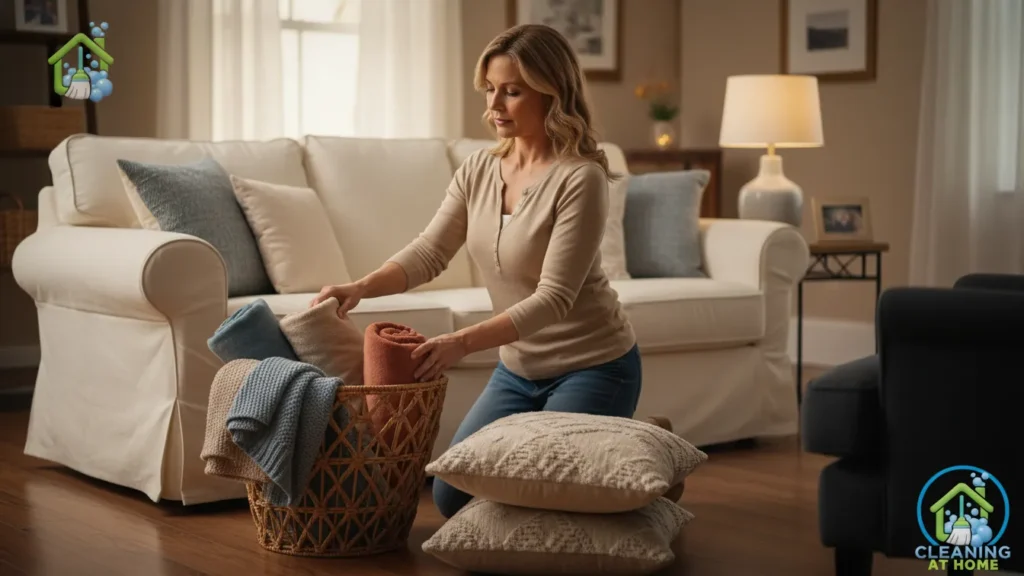
How Long This Living Room Checklist Should Take
One of the main reasons people avoid cleaning the living room is the belief that it will take too long. When you’re busy, even small tasks can feel heavy if they seem open-ended. The truth is that a living room reset, when done with a clear checklist, takes far less time than most people expect.
For most homes, this checklist can be completed in 10 to 15 minutes. On lighter days, it may take as little as five minutes. That short time frame is what makes the routine realistic and easy to repeat, even on workdays or busy evenings.
The key is that you’re not deep cleaning. You’re focusing on visible impact, not hidden details. Picking up clutter, resetting seating, clearing surfaces, and handling obvious floor mess are fast actions when done in the right order. There’s no setup time, no heavy tools, and no pressure to finish everything perfectly.
If the checklist starts taking longer than 15 minutes, it usually means one of two things: either the living room hasn’t been reset in several days, or tasks that belong to weekly cleaning are being added. In those cases, it’s okay to stop early and save the rest for another day.
Another helpful strategy is time-boxing. Decide in advance how long you’ll clean—10 minutes, for example—and stop when the time is up. This prevents the task from expanding and keeps it from feeling exhausting.
Keeping the checklist short protects your energy. When you know cleaning won’t take long, it becomes easier to start. Over time, these quick resets keep the living room consistently presentable without stealing time from your day.
Small Habits That Keep the Living Room Guest-Ready
Keeping the living room guest-ready doesn’t require constant cleaning or a perfectly maintained space. What truly makes the difference are a few small habits that prevent clutter from taking over between cleanups. These habits work because they are simple, fast, and easy to repeat—even on busy days.
One of the most effective habits is resetting the living room daily, even briefly. Taking just two or three minutes to pick up obvious clutter, straighten cushions, and clear the coffee table keeps mess from building up. This short reset is much easier than waiting until the room feels out of control.
Another helpful habit is giving everyday items a clear “home.” Remote controls, blankets, and frequently used objects should always go back to the same place. When items don’t have a default spot, they tend to spread across the room and create visual noise.
It also helps to handle clutter immediately instead of setting it down “for a moment.” Bags, mail, and dishes are best dealt with as soon as you enter the room. This prevents the living room from becoming a temporary storage area.
If you have pets or children, a quick floor check once a day makes a big difference. Picking up toys or removing visible pet hair takes seconds and keeps the room looking tidy without effort.
Finally, let go of perfection. A guest-ready living room doesn’t mean spotless—it means calm, clear, and welcoming. When small habits are consistent, the room stays presentable most of the time, without requiring long cleaning sessions.
These simple habits quietly protect the living room from becoming overwhelming again, making it easier to enjoy the space and feel comfortable welcoming others into your home.

How a Simple Checklist Saves Time Every Week
A simple living room cleaning checklist does more than help in the moment—it quietly saves time week after week. When cleaning is done in short, focused resets, mess never reaches the point where it demands long, exhausting sessions. That consistency is what makes the biggest difference for busy people.
Using the same checklist repeatedly creates automatic behavior. You stop deciding what to clean and start following a familiar sequence. This reduces mental effort and speeds up the process every time. What once felt like a chore becomes a habit you can complete almost without thinking.
A checklist also prevents hidden buildup. When clutter is cleared regularly and surfaces are reset often, weekly cleaning becomes lighter. Dusting, vacuuming, or tidying shelves take less time because the room is already under control. There’s no need to repeat the same tasks or clean around piles of clutter.
Another benefit is predictability. You know exactly how long the reset will take—usually just a few minutes. This makes it easier to fit into daily life, even on busy days. Instead of postponing cleaning, you’re more likely to do a quick reset because it feels manageable.
Over time, the checklist protects your energy. You spend less time reacting to mess and more time enjoying the space. The living room stays presentable without constant effort, making it easier to relax or welcome guests at any moment.
A simple checklist works because it respects real life. It doesn’t demand perfection or extra time—it creates structure. And that structure is what turns a messy living room into a space that stays calm, functional, and ready to use every day.