
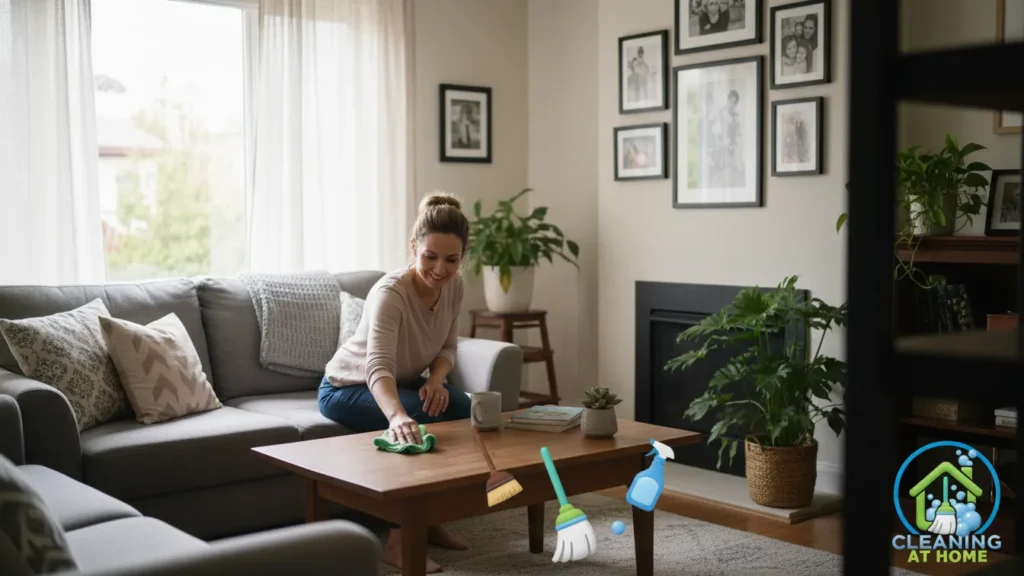
What a Daily Cleaning Routine Really Is (And What It Is Not)
A daily cleaning routine is often misunderstood. Many people think it means spending long hours scrubbing, organizing, and making everything look perfect every single day. In reality, a daily cleaning routine is much simpler—and far more sustainable—than that.
At its core, a daily cleaning routine is about basic maintenance. It focuses on small, repeatable actions that help prevent dirt, clutter, and mess from building up over time. These actions are not meant to replace deep cleaning. Instead, they reduce how often and how intensely deep cleaning is needed. A few minutes each day can make weekly and monthly cleaning feel lighter and less overwhelming.
What a daily cleaning routine is:
- A short set of tasks done consistently
- Focused on high-use areas and visible mess
- Designed to fit into real life, even on busy days
- Flexible, not rigid or perfection-driven
What a daily cleaning routine is not:
- A full-house deep clean
- A strict checklist that must be followed perfectly
- A solution that requires special tools or products
- A source of stress or guilt when a day is missed
One of the biggest benefits of understanding this difference is mindset. When daily cleaning is seen as “maintenance,” it becomes easier to start and easier to continue. You’re not trying to make your home spotless—you’re simply keeping it under control. Wiping a counter, doing a quick sweep, or putting items back where they belong are small actions, but together they make a noticeable difference.
When daily cleaning routines are built around realistic expectations, they become much easier to maintain. Instead of trying to keep everything perfect, these routines focus on small actions that support the flow of everyday life. Over time, consistent daily cleaning routines help prevent buildup, reduce stress, and make the home feel more organized without requiring constant effort or long cleaning sessions.
By defining daily cleaning as simple, realistic maintenance—and not perfection—you create a routine that supports a clean and tidy home without taking over your life.

👉 Morning Cleaning Routine (Realistic & Fast)
Why Daily Cleaning Matters More Than Occasional Deep Cleaning
Many people rely on occasional deep cleaning to reset their homes, but this approach often creates more stress than results. While deep cleaning has its place, it is daily cleaning that truly keeps a home clean and manageable over time. The difference lies in consistency and prevention rather than intensity.
Daily cleaning helps stop mess and dirt before they become overwhelming. Small tasks—such as wiping kitchen counters, rinsing sinks, or doing a quick sweep—prevent grime from settling in. When these actions are done regularly, surfaces stay in better condition, and cleaning takes less effort overall. In contrast, waiting weeks between cleaning sessions allows dirt to build up, making each deep clean longer and more exhausting.
Another reason daily cleaning matters more is the way it affects mental load. A home that is lightly maintained each day tends to feel calmer and easier to live in. There is less visual clutter, fewer “problem areas,” and a stronger sense of control. Many people find that even a short daily routine helps reduce stress because tasks no longer pile up in the background.
Occasional deep cleaning also encourages an all-or-nothing mindset. If there isn’t enough time or energy to do everything, nothing gets done. Daily cleaning breaks this pattern by allowing progress in small steps. Even five or ten minutes can make a noticeable difference, which keeps motivation higher and routines more sustainable.
This does not mean deep cleaning should be ignored. Instead, daily cleaning supports it. When maintenance tasks are handled regularly, deep cleaning becomes less frequent and far less demanding. Floors are easier to wash, bathrooms take less time, and kitchens stay more hygienic with minimal effort.
In the long run, daily cleaning creates a rhythm that fits into everyday life. It shifts the focus from catching up to simply keeping up, making a clean and tidy home feel achievable rather than overwhelming.
The Core Principles of an Effective Daily Cleaning Routine
An effective daily cleaning routine is not built on doing more—it is built on doing what actually matters, consistently. Understanding a few core principles can help transform daily cleaning from a frustrating obligation into a manageable part of everyday life.
One of the reasons daily cleaning routines work so well is that they remove the need for constant decision-making. When certain tasks happen almost automatically, cleaning feels lighter and more predictable. Well-structured daily cleaning routines support the home quietly in the background, making it easier to stay on top of mess without feeling overwhelmed or pressured.
The second principle is consistency over intensity. Spending 10 minutes every day is far more effective than spending two hours once in a while. Consistency prevents buildup and keeps the home in a steady state. Even on low-energy days, doing a small version of the routine helps maintain momentum and avoids starting from scratch later.
Another key principle is prioritization. Not every area of the home needs daily attention. An effective routine focuses on high-traffic and high-impact areas, such as the kitchen, bathroom sink, and entryways. By prioritizing these zones, the home stays visually cleaner even if less-used areas are addressed less often.
Flexibility is also essential. Life changes daily, and a rigid routine often leads to frustration. An effective daily cleaning routine allows tasks to shift based on time, energy, or household needs. Missing a task does not mean failure—it simply means adjusting and continuing the next day.
Finally, a strong routine is guided by realistic expectations. Daily cleaning is about maintenance, not perfection. Accepting that a lived-in home will never look flawless all the time helps reduce pressure and makes routines easier to sustain.
When these principles work together—simplicity, consistency, prioritization, flexibility, and realism—daily cleaning becomes a supportive habit rather than a constant struggle.
👉 Night Cleaning Reset Before Bed

How Long a Daily Cleaning Routine Should Actually Take
One of the most common questions about daily cleaning is how much time it should take. Many people assume that keeping a clean home requires long, exhausting sessions, but an effective daily cleaning routine is usually much shorter than expected.
For most households, a daily cleaning routine can take between 10 and 30 minutes. This range allows enough time to handle basic maintenance tasks without turning cleaning into a major event. The exact length depends on the size of the home, the number of people living in it, and daily habits, but more time does not automatically mean better results.
Short routines work because daily cleaning focuses on prevention. When surfaces are wiped regularly and clutter is kept under control, dirt has little chance to accumulate. Tasks that might take an hour after weeks of neglect often take only a few minutes when done daily. This is why even a 10-minute routine can make a noticeable difference.
Another important factor is energy, not just time. A routine that feels manageable is more likely to be repeated. Many people find that breaking cleaning into small time blocks—such as a quick morning reset or a short evening tidy—feels easier than trying to do everything at once. These small sessions add up without feeling overwhelming.
It’s also helpful to remember that daily cleaning does not need to be identical every day. Some days allow for a longer routine, while others require a minimal approach. On busy days, focusing on the most visible or frequently used areas is often enough.
Ultimately, the right length for a daily cleaning routine is the one you can maintain consistently. When cleaning fits naturally into your day, it stops feeling like a chore and becomes a simple habit that supports a clean and tidy home.
👉 10–15 Minute Daily Cleaning Routine
Daily Cleaning vs. Tidying: Understanding the Difference
Daily cleaning and tidying are often used as if they mean the same thing, but they serve different purposes. Understanding the difference between the two can make daily routines more effective and much less frustrating.
Tidying is about putting things back where they belong. It focuses on reducing visual clutter—returning items to their proper places, straightening surfaces, and clearing floors or tables. Tidying does not usually involve cleaning products or scrubbing. Its main goal is to make a space look more organized and easier to use.
Daily cleaning, on the other hand, involves basic maintenance tasks that keep a home hygienic and under control. This includes wiping surfaces, managing dishes, lightly cleaning sinks, or doing a quick sweep or vacuum in high-traffic areas. These tasks remove dirt and residue, not just clutter.
Both tidying and daily cleaning are important, but they work best together. Tidying first makes cleaning easier, since clear surfaces are quicker to wipe. Cleaning after tidying ensures that the home is not only organized but also fresh and functional. Skipping one often makes the other feel harder. For example, cleaning around clutter takes more time, while tidying without cleaning can leave surfaces looking neat but still dirty.
Another key difference is how often each action is needed. Tidying may be required multiple times a day in busy households, especially in shared spaces. Daily cleaning usually happens once or twice a day and focuses on the most used areas.
Recognizing that tidying and cleaning are separate—but complementary—helps set realistic expectations. You don’t need to deep clean every time you tidy, and you don’t need a perfectly tidy home to do basic cleaning. When both are balanced, daily routines become simpler, faster, and easier to maintain.
The Basic Areas to Focus on Every Day (Without Overcleaning)
One of the biggest mistakes in daily cleaning is trying to clean everything every day. This approach quickly leads to burnout and makes routines hard to maintain. A more effective strategy is focusing on a few basic areas that have the biggest impact on how clean and comfortable a home feels.
The first priority is the kitchen. Because it is used daily, it tends to collect crumbs, spills, and clutter quickly. Wiping counters, managing dishes, and quickly cleaning the sink help keep the space hygienic and ready for use. These tasks usually take only a few minutes but make a noticeable difference.
The bathroom sink and toilet area are another high-impact zone. A quick wipe of the sink, faucet, and toilet seat helps maintain cleanliness without requiring a full bathroom clean. This light daily attention prevents buildup and makes deeper cleaning easier later.
Floors in high-traffic areas also benefit from daily care. Entryways, kitchens, and living spaces often collect dirt faster than other areas. A quick sweep or spot vacuum in these zones is usually enough. There is no need to clean every room’s floor every day.
Another area to focus on is visible surfaces, such as coffee tables, dining tables, and countertops. Clearing and lightly wiping these areas helps reduce visual clutter and gives the entire home a more organized appearance.
Overcleaning happens when too many low-impact tasks are added to the daily routine. Bedrooms, storage areas, and less-used rooms typically do not need daily attention. Rotating these areas into weekly or monthly routines is often more realistic.
By concentrating on a few essential zones each day, daily cleaning stays efficient and sustainable. This focused approach keeps the home looking clean without turning routine maintenance into an exhausting chore.
👉 Daily Cleaning Routine for Busy People

A Simple Morning Daily Cleaning Routine
A morning daily cleaning routine helps set the tone for the rest of the day. It does not need to be long or detailed. In fact, the most effective morning routines focus on a few light tasks that prevent mess from building up and make the home easier to manage as the day goes on.
The main goal of a morning routine is resetting shared spaces after the night before. This often starts in the kitchen. Putting away clean dishes, loading the dishwasher, or quickly wiping the counter helps clear the space for breakfast and daily use. These small actions reduce clutter early and prevent mess from spreading.
Another helpful morning task is making beds or straightening sleeping areas. This does not require perfection. Simply pulling up blankets and pillows can instantly make bedrooms feel more organized, even if no other cleaning happens there that day.
A quick bathroom check can also be part of a morning routine. Wiping the sink after use, putting toiletries back in place, and ensuring towels are hung neatly takes very little time but keeps the space looking clean.
Morning routines work best when they stay short. Many people find that 5 to 10 minutes is enough. Trying to do too much in the morning can feel overwhelming and may lead to skipping the routine altogether.
The key to a successful morning daily cleaning routine is consistency, not intensity. When these small tasks become habits, they reduce the workload later in the day and help the home stay tidy with minimal effort.
A Practical Evening Daily Reset Routine
An evening daily reset routine is one of the most effective ways to maintain a clean and tidy home without stress. Unlike deeper cleaning tasks, this routine focuses on preparing the home for the next day by restoring order to the most used areas.
The main purpose of an evening reset is to close the day. This usually begins with the kitchen, since it tends to collect the most mess. Clearing dishes, wiping countertops, and quickly cleaning the sink helps prevent odors and buildup overnight. Starting the next morning with a clean kitchen can make the entire day feel more manageable.
Living areas are another important focus in the evening. Returning items to their proper places, clearing surfaces, and straightening cushions or throws can take just a few minutes but greatly improve how the space looks and feels. This step is more about tidying than cleaning, but it supports both.
Bathrooms also benefit from light evening attention. A quick wipe of the sink or mirror and making sure towels are hung properly helps maintain cleanliness without requiring a full clean.
An effective evening reset does not need to include every room. Many people limit it to shared spaces and leave private areas for another time. Keeping the routine short—often 10 to 15 minutes—makes it easier to repeat daily.
By ending the day with a simple reset, the home stays under control, and mornings feel less rushed. This routine supports consistency and makes daily cleaning feel like a natural part of everyday life rather than a burden.
👉 Daily Cleaning Checklist (Simple & Flexible)
How to Create a Daily Cleaning Routine That Fits Your Lifestyle
A daily cleaning routine only works when it fits naturally into your lifestyle. Copying someone else’s routine may look good on paper, but it often fails in real life. The most effective routines are built around personal schedules, energy levels, and household needs.
The first step is understanding how your days actually look. Consider when you have the most energy, how much time is realistically available, and which areas of your home are used the most. For some people, mornings are ideal for light cleaning. For others, evenings work better. There is no universal schedule that fits everyone.
Next, identify the tasks that make the biggest difference in your home. A household with children may need more frequent tidying and kitchen resets, while a single-person household might focus on dishes and floors. Choosing tasks based on impact—not tradition—keeps routines efficient and realistic.
It’s also important to match the routine to your energy, not just your time. On low-energy days, a shortened version of the routine may be enough. Many people find it helpful to define a “minimum routine” that can be done even on busy or tiring days. This prevents routines from being abandoned entirely.
Flexibility is key. Life changes, schedules shift, and routines should adapt accordingly. A daily cleaning routine is not a fixed rule—it’s a framework. Adjusting tasks, timing, or frequency over time helps keep the routine sustainable.
When daily cleaning aligns with your lifestyle, it becomes easier to maintain. Instead of feeling like an extra responsibility, it blends into daily life and supports a consistently clean and comfortable home.
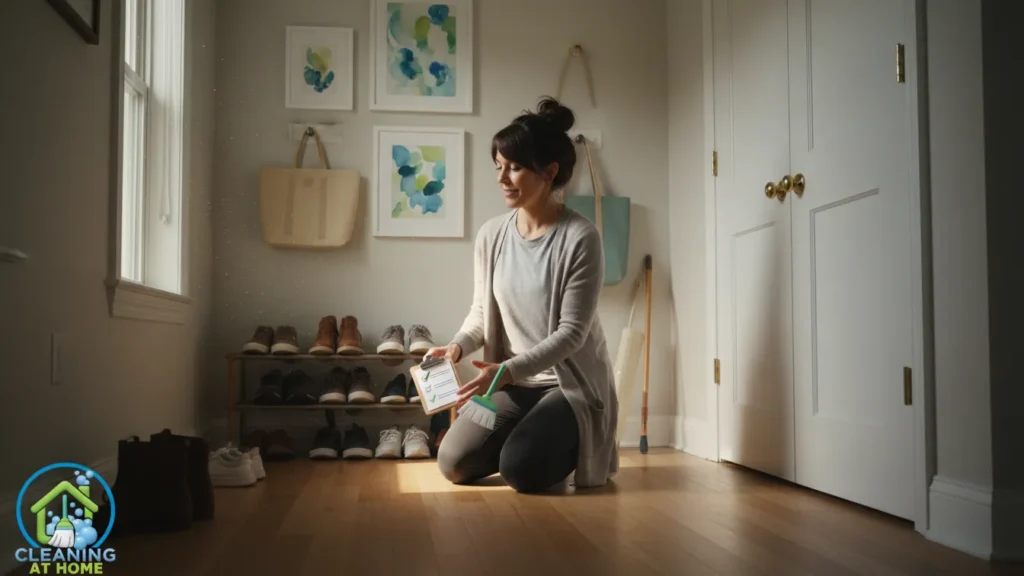
Daily Cleaning Routines for Busy Days (When Time Is Limited)
Busy days are inevitable, and they are often the reason daily cleaning routines fall apart. When time is limited, the goal is not to do everything—it is to do what keeps the home functional and under control. A simplified approach makes daily cleaning possible even on the most hectic days.
On busy days, focus on the minimum effective tasks. These are small actions that prevent mess from getting worse. Managing dishes is usually at the top of the list. Clearing the sink or loading the dishwasher takes only a few minutes but has a big impact on how the kitchen feels. Wiping a counter or table where food is prepared is another high-priority task.
Another useful strategy is targeting high-visibility areas. Entryways, kitchen counters, and living room surfaces affect how clean the home looks at a glance. Tidying these spots can instantly make the space feel more organized, even if other areas are untouched.
Time-limited routines also benefit from task pairing. Cleaning while waiting for coffee to brew, wiping the sink after brushing teeth, or resetting a room before leaving it helps integrate cleaning into existing habits. This reduces the need for dedicated cleaning time.
It’s important to let go of perfection on busy days. Skipping non-essential tasks does not mean failure—it means adapting. Many people find it helpful to define a “bare minimum” routine that takes 5 to 10 minutes and can be done no matter how busy the day is.
By allowing routines to shrink on busy days, daily cleaning stays consistent. This flexibility prevents backlog and makes it easier to return to a fuller routine when time allows.
Common Daily Cleaning Mistakes That Make Routines Harder
Many daily cleaning routines fail not because people lack motivation, but because common mistakes make the process feel harder than it needs to be. Recognizing these mistakes can help simplify routines and make them easier to maintain over time.
One frequent mistake is trying to clean everything every day. This approach quickly leads to exhaustion and frustration. Daily cleaning is about maintenance, not perfection. When too many tasks are included, routines become overwhelming and are more likely to be abandoned.
Another common issue is setting unrealistic expectations. Expecting a home to look spotless at all times ignores the reality of daily life. Homes are meant to be lived in. When expectations are too high, even small lapses can feel like failure, which discourages consistency.
Many people also make the mistake of relying on motivation instead of habit. Motivation comes and goes, but habits provide structure. Waiting to “feel like cleaning” often results in skipped days. Simple routines tied to existing habits—such as cleaning after meals or before bed—are easier to sustain.
Overcomplicating routines is another problem. Using too many products, tools, or steps can slow down daily cleaning. Most daily tasks require only basic actions and minimal supplies. Keeping routines simple saves time and reduces mental effort.
Finally, some routines fail because there is no flexibility. Life changes, and rigid routines don’t adapt well. Missing a day should not mean starting over or giving up. Viewing daily cleaning as a supportive habit rather than a strict rule helps maintain consistency.
Avoiding these common mistakes allows daily cleaning routines to feel lighter, more realistic, and easier to keep long term.
👉 What Happens When You Skip Daily Cleaning

How to Build the Habit of Daily Cleaning Without Stress
Over time, daily cleaning routines create a sense of stability that goes beyond physical cleanliness. When these routines are consistent, the home feels easier to manage, even during busy or stressful periods. Instead of reacting to mess, daily cleaning routines help maintain balance and prevent small issues from turning into bigger problems.
One of the most effective ways to build this habit is by starting small. Instead of trying to change everything at once, focus on one or two simple tasks. For example, committing to wiping the kitchen counter every evening or doing a quick floor sweep once a day can be enough to establish consistency. Small actions repeated daily create momentum.
Another helpful strategy is linking cleaning to existing habits. This could mean wiping the sink after brushing your teeth or resetting the living room before sitting down to relax at night. These natural connections reduce the need to remember separate tasks and help cleaning blend into daily life.
Consistency matters more than intensity when building habits. Doing a small routine every day is more effective than doing a long routine occasionally. Even on low-energy days, completing a shortened version of the routine reinforces the habit and prevents long breaks.
It’s also important to remove unnecessary pressure. Missing a day does not undo progress. Viewing daily cleaning as a flexible practice rather than a strict rule helps reduce guilt and frustration. Many people find it helpful to focus on progress instead of perfection.
Over time, daily cleaning becomes automatic. Tasks feel less like chores and more like part of the rhythm of the day. When habits are built gradually and without stress, maintaining a clean and tidy home feels achievable and sustainable.
Daily Cleaning Routines for Small Homes and Apartments
Daily cleaning routines look different in small homes and apartments, and that can be a big advantage. With less space to manage, routines can be shorter, simpler, and more efficient when they are designed intentionally.
One of the key benefits of small spaces is fewer surfaces and rooms. This means daily cleaning can focus on quick maintenance rather than extensive tasks. Wiping counters, managing dishes, and keeping floors clear often takes only a few minutes but makes a noticeable difference in how the space feels.
In small homes, clutter becomes visible faster, which makes tidying especially important. A short daily reset—putting items back where they belong and clearing shared surfaces—can prevent the space from feeling crowded or chaotic. This step often has more impact than additional cleaning.
Another useful approach is cleaning as you go. Because small spaces are used frequently, cleaning immediately after using an area can prevent mess from spreading. Wiping the sink after washing hands or cleaning the stove after cooking helps maintain order without adding extra steps to the routine.
Storage limitations also make it important to avoid overcleaning and overaccumulating items. Daily routines work best when they focus on maintenance rather than constant rearranging or organizing. Deep cleaning and reorganization can be saved for less frequent schedules.
With a focused approach, daily cleaning in small homes and apartments stays quick and manageable. By prioritizing visible areas and simple habits, even the smallest space can feel clean, comfortable, and easy to maintain.
👉 How to Build a Daily Cleaning Habit That Sticks

Daily Cleaning Routines for Homes With Families
Daily cleaning in homes with families requires a practical and forgiving approach. With multiple people sharing the same space, mess is a normal part of daily life. The goal of a family-friendly routine is not constant cleanliness, but maintaining enough order so the home stays functional and comfortable.
One key element is accepting that family homes get messy faster. Shoes at the door, dishes in the sink, toys on the floor, and busy schedules all contribute to daily clutter. Instead of fighting this reality, effective routines work with it by focusing on quick resets rather than detailed cleaning.
Shared responsibility plays an important role. When possible, simple daily tasks can be divided among family members according to age and ability. Putting items away, clearing the table, or wiping surfaces are small actions that reduce pressure on one person and help build awareness of shared spaces.
Prioritizing common areas is especially helpful. Kitchens, living rooms, and bathrooms usually need daily attention, while bedrooms and less-used areas can wait for weekly routines. Keeping shared spaces under control makes the entire home feel more manageable, even if some rooms are imperfect.
Family routines also benefit from predictable moments, such as a short evening reset. This helps restore order before the next day begins and reduces morning stress. These routines should stay short and flexible, especially on busy days.
By keeping expectations realistic and routines adaptable, daily cleaning can support family life instead of becoming another source of stress.
How Daily Cleaning Helps Reduce Weekly and Monthly Work
Daily cleaning plays a key role in making weekly and monthly cleaning feel easier and less overwhelming. Instead of allowing dirt and clutter to build up, small daily actions help keep the home in a steady, manageable state.
One of the biggest benefits of daily cleaning is prevention. When surfaces are wiped regularly and clutter is managed each day, grime has less time to settle in. This means weekly tasks, such as cleaning bathrooms or washing floors, take less time and effort. Monthly cleaning also becomes more focused, since fewer areas require intensive attention.
Daily routines also reduce decision fatigue. When basic maintenance is handled automatically, there is less need to constantly assess what needs cleaning. Weekly and monthly routines can then focus on specific tasks rather than catching up on neglected areas.
Another advantage is the way daily cleaning creates a cleaning rhythm. Repeating small tasks helps maintain familiarity with the home’s needs. This awareness makes it easier to spot areas that require deeper cleaning and prevents problems from being ignored for too long.
It’s important to note that daily cleaning does not replace weekly or monthly cleaning. Instead, it supports them. Tasks are spread out more evenly over time, which reduces burnout and makes cleaning feel less disruptive.
By investing a small amount of time each day, the overall workload decreases. Weekly and monthly cleaning sessions become shorter, simpler, and easier to manage, making a clean home feel more sustainable in the long term.
A Simple Daily Cleaning Checklist You Can Follow
A daily cleaning checklist can be helpful, but only when it stays simple and flexible. The purpose of a checklist is not to control every action, but to provide gentle structure and reduce the mental effort of deciding what to do each day.
An effective daily checklist focuses on high-impact tasks. These usually include managing dishes, wiping kitchen counters, doing a quick sink clean, and keeping visible surfaces clear. For many homes, a short list of five to seven items is enough to maintain a clean and tidy feel.
It’s important to treat the checklist as a guide, not a strict rule. Some days may allow for completing every item, while other days may not. Skipping a task does not mean the routine has failed. Many people find it helpful to think of the checklist as a reminder of priorities rather than a requirement.
Checklists also work best when they are easy to access and understand. A simple written list, a note on the fridge, or a mental checklist is often enough. Overcomplicating the format can make the routine feel heavier than necessary.
Another helpful approach is creating two versions of the checklist: a full version and a minimum version. The minimum version includes only the most essential tasks and can be completed in just a few minutes. This keeps the routine consistent even on busy days.
When used thoughtfully, a simple daily cleaning checklist supports consistency without adding pressure, helping daily cleaning stay manageable and sustainable.

How to Keep Your Daily Cleaning Routine Sustainable Long-Term
The long-term success of a daily cleaning routine depends on sustainability, not effort. Routines that require too much time or energy often work briefly and then fall apart. Sustainable routines are designed to evolve with changing schedules, needs, and energy levels.
One important factor is regular adjustment. What works during one season of life may not work in another. Work schedules change, households grow or shrink, and energy levels shift. Periodically reviewing and simplifying the routine helps keep it realistic and relevant.
Avoiding burnout is another key element. This means letting go of the idea that daily cleaning must look the same every day. Some days allow for a full routine, while others only support a minimum version. Both count as success when the goal is consistency.
Sustainable routines also rely on low mental effort. When tasks are automatic and familiar, they require less decision-making. Keeping routines simple and repeating the same core actions daily helps reduce friction and makes cleaning easier to maintain.
It’s also helpful to focus on how daily cleaning supports overall well-being. A consistently maintained home often feels calmer and more comfortable, which reinforces the value of the routine. When benefits are clear, habits are easier to keep.
By allowing flexibility and focusing on long-term consistency, daily cleaning routines remain supportive rather than demanding, making them easier to maintain over time.
Final Thoughts: Keeping a Clean Home Through Simple Daily Actions
Keeping a clean and tidy home is less about effort and more about approach. Daily cleaning works best when it is built around simple, repeatable actions that fit naturally into everyday life. Instead of aiming for perfection, the focus stays on maintenance and balance.
Small daily actions prevent mess from growing into something overwhelming. Wiping a surface after use, managing dishes consistently, or doing a quick reset at the end of the day may seem minor, but together they create stability. Over time, these habits reduce stress, save time, and make the home easier to live in.
It’s also important to recognize that daily cleaning is meant to be flexible. Life changes, schedules shift, and energy levels vary. A routine that allows for lighter days is far more sustainable than one that demands the same effort every day. Consistency does not mean rigidity—it means returning to simple habits whenever possible.
Another key takeaway is that a clean home does not need to look perfect. A lived-in space will always show signs of daily use, and that is normal. Daily cleaning helps maintain comfort and function, not a flawless appearance. Letting go of unrealistic standards makes routines easier to maintain long term.
When daily cleaning is viewed as support rather than obligation, it becomes a natural part of the day. By focusing on what truly matters and keeping routines simple, anyone can maintain a home that feels clean, calm, and manageable through small actions done consistently.