Why a 10–15 Minute Cleaning Routine Actually Works
A 10-15 minute daily cleaning routine works because it aligns with how real life actually functions. Most people don’t have the time—or energy—for long cleaning sessions every day. Short routines remove that barrier by making cleaning feel manageable instead of overwhelming.
One of the main reasons this approach is effective is consistency. When a task feels small, it’s easier to repeat daily. Ten to fifteen minutes is short enough to fit into busy schedules, yet long enough to make a visible difference in key areas of the home. Over time, these small efforts add up and prevent mess from accumulating.
Another reason short routines work is focus. Limited time forces you to prioritize. Instead of jumping between tasks or over-cleaning, you concentrate on what truly matters—clearing surfaces, handling dishes, or resetting high-traffic areas. This targeted effort often produces better results than longer, unfocused cleaning sessions.
Short routines also reduce mental resistance. Cleaning no longer feels like a major commitment. Knowing you only need a few minutes lowers procrastination and makes it easier to start. Once started, many people find the routine goes by quickly, reinforcing the habit.
Most importantly, a 10–15 minute routine supports sustainability. It respects daily energy levels and adapts to real schedules. Some days you may do the full routine; other days you may do slightly less. Both still count. This flexibility is what allows the habit to last.
By keeping cleaning short and intentional, this routine helps maintain a functional home without requiring perfection or long hours—making it one of the most realistic ways to stay consistent over time.
What You Can Realistically Clean in 10–15 Minutes
Ten to fifteen minutes may not sound like much, but when used intentionally, it can cover more than most people expect. The key is understanding what is realistic within that time frame and letting go of the idea that everything needs to be cleaned at once.
In a short cleaning window, the most realistic focus is on visible, high-impact areas. These usually include the kitchen sink and counters, dishes that need to be loaded or unloaded, and quick resets in shared spaces like the living room. Clearing surfaces alone can dramatically change how a space looks and feels.
A 10–15 minute routine can also handle light maintenance tasks. Wiping a bathroom sink, straightening cushions, putting items back where they belong, or taking out the trash often fit comfortably within this time. These tasks don’t require deep scrubbing or heavy effort, but they prevent mess from building up.
What’s important is recognizing what does not fit into this window. Deep cleaning floors, organizing storage areas, or tackling large piles of clutter usually take longer and are better saved for weekly or monthly routines. Trying to force those tasks into a short session often leads to frustration.
Another realistic approach is choosing tasks based on your day. Some days, the kitchen needs attention. Other days, clutter in the living area is the priority. Flexibility allows the routine to adapt instead of feeling rigid.
When expectations stay realistic, a 10–15 minute cleaning routine becomes effective and repeatable. It’s not about cleaning everything—it’s about doing enough to keep your home functional and manageable, day after day.
How to Choose the Right Tasks for Short Cleaning Sessions
Choosing the right tasks is what makes a 10–15 minute cleaning routine effective. When time is limited, not every task deserves your attention. The goal is to focus on actions that improve how your home functions, not on tasks that simply keep you busy.
A good starting point is to ask which areas cause the most disruption during the day. For many households, this is the kitchen, living room, or entryway. Tasks that clear these spaces—such as loading dishes, wiping counters, or putting items back where they belong—tend to offer the biggest return for the time invested.
Another helpful guideline is prioritizing maintenance over improvement. Short cleaning sessions are best used to maintain order, not to organize or deep clean. Light wipes, quick resets, and surface clearing fit naturally into a 10–15 minute window, while sorting, scrubbing, or rearranging usually do not.
It’s also important to consider your energy level. Tasks that require little physical or mental effort are easier to repeat daily. If a task regularly feels heavy or draining, it may not belong in a short routine. Choosing easier tasks increases consistency, which is more valuable than intensity.
Flexibility plays a key role as well. The “right” tasks can change from day to day. One day, dishes may be the priority; another day, clutter in a shared space may need attention. Allowing the routine to adapt prevents frustration and keeps it realistic.
When tasks are chosen intentionally, short cleaning sessions stop feeling rushed or pointless. Instead, they become focused, efficient moments that keep your home functional without demanding more time than you can realistically give.
The Best Order to Clean When Time Is Limited
When you only have 10–15 minutes to clean, the order of tasks matters more than the number of tasks. A clear sequence helps you avoid wasting time deciding what to do next and prevents you from jumping between rooms without finishing anything.
A practical order usually starts with tasks that create immediate visual impact. Clearing the kitchen sink, loading the dishwasher, or wiping the main counter can quickly make a space feel more organized. These actions set a positive tone and make the rest of the routine feel easier.
Next, focus on preventing mess from spreading. Putting items back where they belong, especially in shared spaces like the living room or entryway, helps stop clutter from building up later in the day. This step is about maintenance, not organizing—returning items to familiar places is enough.
If time allows, move on to quick surface resets. Straightening cushions, wiping a bathroom sink, or clearing a small table can be done in under a minute and noticeably improves how a room feels. These tasks should be fast and low-effort.
The final step, if you still have time, is a personal or practical reset, such as taking out the trash or setting items aside for the next day. This supports smoother routines later without adding pressure.
The most important part of this order is flexibility. Some days you may only complete the first step, and that’s okay. When time is limited, doing tasks in a logical order ensures that even a short cleaning session makes a real difference. Consistent, focused action is what keeps a 10–15 minute routine effective over time.
High-Impact Tasks That Make the Biggest Difference Fast
When time is limited, choosing high-impact tasks is what makes a 10–15 minute cleaning routine truly effective. These are the actions that change how your home feels almost immediately, without requiring much effort or time. Focusing on them helps you get visible results quickly and keeps the routine motivating.
One of the most powerful high-impact tasks is clearing flat surfaces. Kitchen counters, tables, and coffee tables tend to collect clutter throughout the day. Removing items that don’t belong there and putting them back in their usual places instantly makes a room look calmer and more organized.
Another task with a big payoff is handling dishes. Loading or unloading the dishwasher, or at least clearing the sink, can transform the kitchen in just a few minutes. Because the kitchen is often a central space, this single action can improve the overall feel of the home.
Quick floor checks in high-traffic areas also make a noticeable difference. This doesn’t mean full vacuuming or mopping. Simply picking up visible items, crumbs, or debris from entryways or living areas helps spaces feel cleaner and safer.
A fast bathroom sink wipe is another example of a high-impact task. It takes very little time but keeps the bathroom feeling fresh and usable, especially in busy households.
What makes these tasks effective is not their complexity, but their visibility. They reduce visual noise and restore basic function. When your routine is built around high-impact actions, even a short cleaning session feels worthwhile. Over time, consistently focusing on these tasks helps maintain order and reduces the need for longer cleaning sessions later.
👉 Daily Cleaning Routine for Busy People
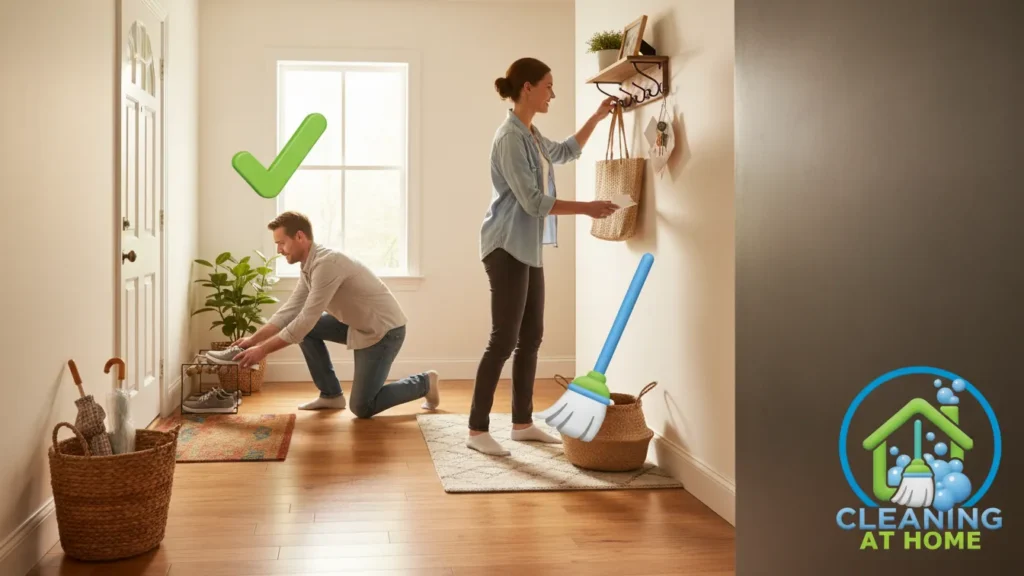
What to Skip When You Only Have 10–15 Minutes
Knowing what to skip is just as important as knowing what to clean when time is limited. A 10–15 minute daily cleaning routine works best when it avoids tasks that consume energy without delivering immediate benefits. Skipping the right things helps keep the routine light, repeatable, and stress-free.
One of the first things to skip during short cleaning sessions is deep cleaning. Scrubbing floors, washing walls, or cleaning appliances inside and out takes more time than a short routine allows. These tasks are better suited for weekly or monthly cleaning, not daily maintenance.
Another task to avoid is detailed organizing. Sorting drawers, rearranging shelves, or deciding where items should permanently live can quickly turn a short routine into a long project. In a 10–15 minute window, it’s enough to return items to familiar places so surfaces stay clear.
You should also skip perfection-focused tasks. Straightening everything until it looks flawless or re-cleaning already clean areas wastes valuable minutes. The goal is function, not appearance. A space that feels usable is far more valuable than one that looks perfect but took too long to achieve.
Laundry is another area that can usually wait. Folding clothes, matching socks, or starting extra loads often doesn’t fit well into short cleaning sessions unless it naturally aligns with your schedule.
By consciously skipping low-impact or time-consuming tasks, you protect the simplicity of the routine. This makes it easier to stay consistent, which is what truly keeps a home manageable over time. A short routine succeeds not because of what you include, but because of what you intentionally leave out.
A 10–15 Minute Routine for Busy Weekdays
Busy weekdays are exactly when a 10–15 minute cleaning routine becomes most valuable. When schedules are tight and energy is limited, having a short, predictable routine helps keep the home functional without adding stress to already full days.
On busy weekdays, the routine should focus on maintenance, not improvement. The goal is not to make the house look perfect, but to prevent mess from piling up. Simple actions like clearing the kitchen counter, loading dishes, or putting items back in place can usually be completed quickly and make a noticeable difference.
It’s also helpful to accept that weekdays require lower expectations. Some days, you may complete the full 10–15 minutes. Other days, you may only manage five minutes—and that still counts. Consistency across the week matters far more than completing the routine perfectly every day.
Another practical strategy is linking the routine to existing habits. For example, you might clean while waiting for dinner to cook or right after getting home from work. This prevents cleaning from feeling like a separate task that competes with rest or family time.
Busy weekdays also benefit from clear priorities. Choosing the same few tasks every day reduces decision fatigue. When you know exactly what to do, you spend less time thinking and more time acting.
A short cleaning routine fits into busy weekdays because it respects real life. It adapts to changing schedules, fluctuating energy levels, and unexpected interruptions. Over time, this flexible approach helps maintain a manageable home without requiring long cleaning sessions—making weekdays feel a little less overwhelming and a lot more sustainable.
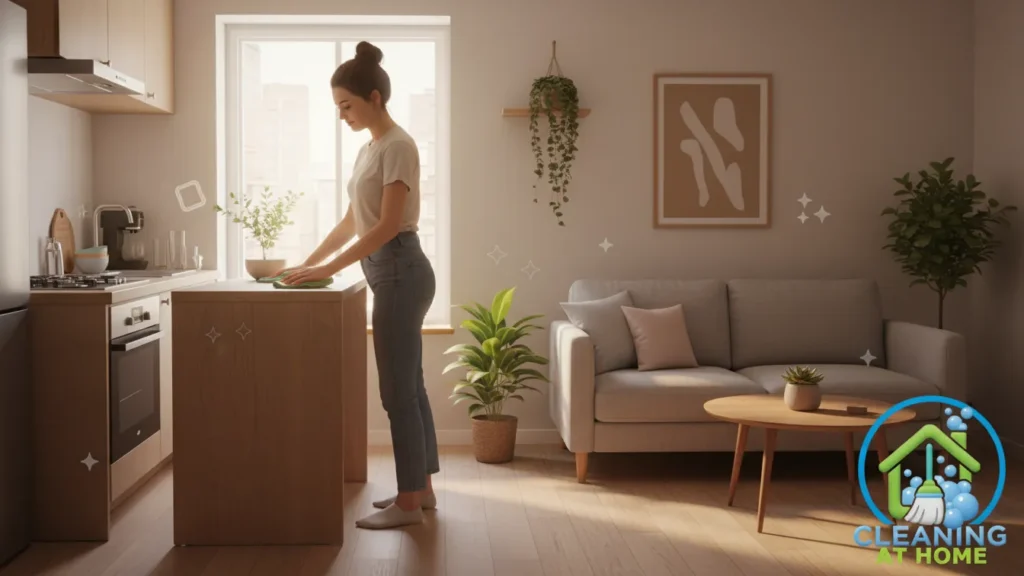
Short Cleaning Routines for Small Homes and Apartments
Small homes and apartments often benefit the most from a 10–15 minute daily cleaning routine. Because spaces are compact, clutter becomes visible quickly—but the upside is that it usually takes less time to reset everything. A short routine helps keep the space functional without feeling overwhelming.
In smaller spaces, the priority should be keeping surfaces clear and pathways open. Clearing a kitchen counter, putting items back on shelves, or folding a blanket on the couch can instantly make the home feel calmer and more organized. These tasks take very little time but have a big visual impact.
Another helpful approach is cleaning by zones. Instead of trying to address the entire home, focus on one or two zones that matter most, such as the kitchen area and the main living space. Resetting just these areas is often enough to make the whole apartment feel cleaner.
Small homes also benefit from daily maintenance instead of deep cleaning. Light wipes, quick tidying, and putting items away are usually sufficient to prevent buildup. Deep cleaning tasks can be scheduled weekly, rather than forcing them into short daily sessions.
It’s also important to avoid overloading the routine. In compact spaces, it’s easy to notice every small mess, but not everything needs attention every day. Choosing a few consistent tasks keeps the routine sustainable.
A short daily cleaning routine works well in small homes because it respects the space and the time available. With focused, repeatable actions, even a 10–15 minute session can keep an apartment feeling comfortable, functional, and easy to live in.
Common Mistakes in Short Cleaning Routines
Short cleaning routines are effective, but only when they’re used correctly. Many people struggle with 10–15 minute routines not because the idea is flawed, but because small mistakes make the routine feel frustrating or ineffective. Recognizing these issues helps keep the routine realistic and sustainable.
One common mistake is trying to fit too many tasks into a short window. When you attempt to clean multiple rooms or handle complex tasks in 10–15 minutes, the routine quickly feels rushed. This often leads to unfinished work and discouragement. A short routine works best when it focuses on just a few high-impact actions.
Another mistake is changing tasks every day without intention. While flexibility is important, having no structure at all can lead to wasted time deciding what to do. A simple, familiar set of tasks reduces decision fatigue and helps you get started faster.
Many people also make the mistake of aiming for visible perfection. Trying to make everything look spotless in a short session often results in spending too much time on details that don’t matter. The purpose of a short routine is maintenance, not presentation.
Skipping the routine entirely after a busy or messy day is another common issue. Short routines are designed for imperfect days. Even a few minutes of effort keeps the habit alive and prevents mess from piling up.
Finally, comparing your routine to others can create unrealistic expectations. What works in one home may not work in another. Avoiding these common mistakes allows short cleaning routines to stay practical, flexible, and effective—doing exactly what they’re meant to do: keep your home manageable with minimal time and effort.
👉 Daily Cleaning Checklist (Simple & Flexible)
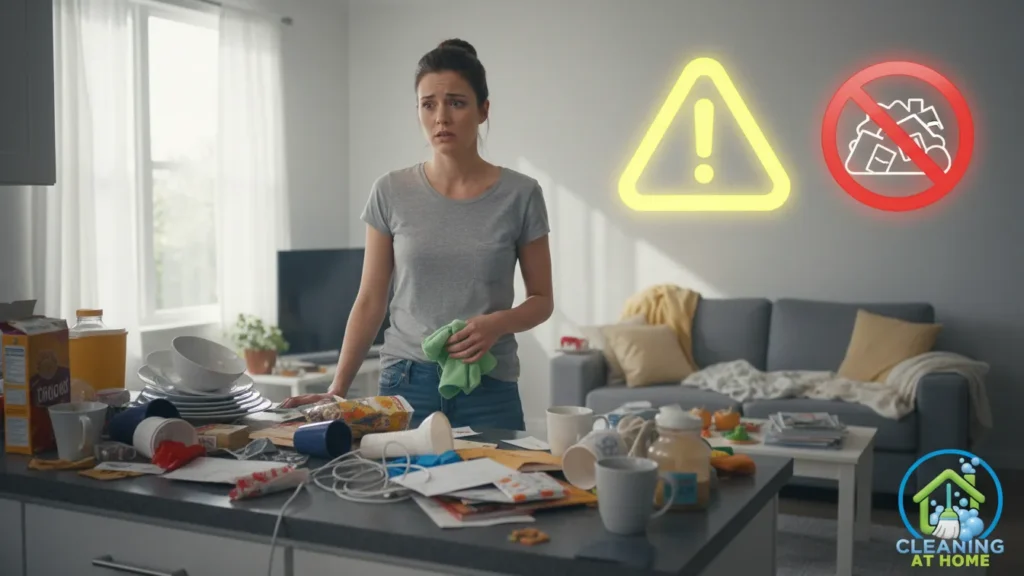
How Short Daily Cleaning Prevents Bigger Messes
Short daily cleaning routines play an important role in preventing bigger messes from forming over time. When small tasks are handled consistently, they stop clutter and dirt from reaching a point where cleaning feels overwhelming. This is one of the main advantages of a 10–15 minute routine.
Mess tends to grow when it is ignored. Dishes left in the sink, items left on surfaces, or trash not taken out may seem minor at first, but they quickly multiply. A short daily routine interrupts this cycle by addressing problems early, before they require long cleaning sessions.
Another benefit of short routines is maintenance of high-use areas. Spaces like the kitchen, living room, and entryway are used every day and naturally get messy. Regular, brief cleaning keeps these areas functional and prevents dirt and clutter from spreading to other parts of the home.
Short routines also reduce mental buildup. When mess accumulates, it often creates stress and procrastination. Daily maintenance keeps cleaning tasks small and predictable, which makes them easier to face. Instead of dealing with a large mess once a week, you handle small amounts consistently.
Over time, this approach changes how cleaning feels. It becomes a habit rather than a burden. Bigger messes are less likely to form because they’re addressed before they grow. This doesn’t mean deep cleaning is unnecessary, but it does mean it happens less frequently and with less effort.
By committing to short daily cleaning sessions, you create a system that protects your time and energy. Small, regular actions help maintain a functional home and prevent cleaning from turning into a stressful, time-consuming task.
How This Routine Fits Into Your Daily Cleaning System
A 10–15 minute daily cleaning routine works best when it’s understood as part of a larger cleaning system, not as a standalone solution. Its role is to maintain order and prevent buildup, not to replace deeper weekly or monthly cleaning tasks. When each part of your cleaning system has a clear purpose, everything feels easier to manage.
This short routine acts as daily maintenance. By resetting key areas every day, you reduce the workload of longer cleaning sessions. Instead of spending hours catching up on accumulated mess, you’re simply maintaining what’s already under control. This makes weekly and monthly cleaning feel lighter and less overwhelming.
Within a daily system, the 10–15 minute routine usually works alongside other small habits. Morning or evening resets, quick post-meal cleanups, and putting items back in place throughout the day all support one another. None of these habits need to be perfect; together, they create consistency.
Another benefit of seeing cleaning as a system is flexibility. If you miss a short routine one day, the system doesn’t collapse. You simply resume the next day. This prevents guilt and all-or-nothing thinking, which often leads people to abandon routines altogether.
Understanding where this routine fits also helps manage expectations. Short daily cleaning keeps the home functional, but it doesn’t eliminate the need for deeper cleaning. Floors still need attention, bathrooms still need proper cleaning, and storage areas still require organization—just less frequently.
When your 10–15 minute routine is part of a clear daily cleaning system, cleaning becomes predictable and manageable. Each small action supports the others, creating a steady rhythm that keeps your home under control without demanding excessive time or energy.
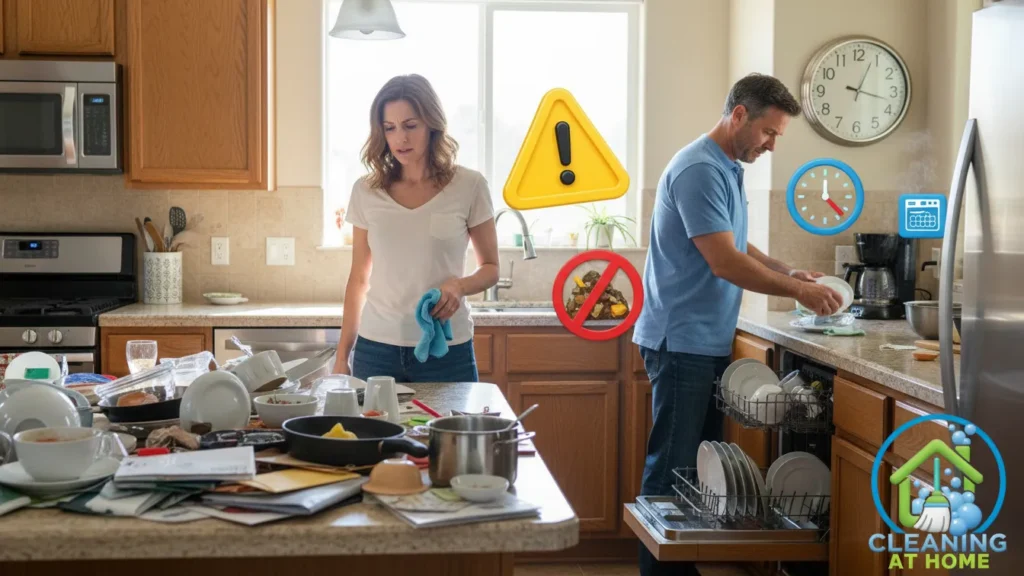
Keeping Short Cleaning Routines Consistent Over Time
The real challenge of a 10–15 minute daily cleaning routine is not starting it, but keeping it going over time. Consistency depends less on motivation and more on how realistic and flexible the routine feels in everyday life. When cleaning fits naturally into your day, it becomes easier to repeat.
One of the most effective ways to maintain consistency is keeping expectations low. A short routine should never feel like a test you have to pass. Some days you will complete all your planned tasks; other days you may only manage a few minutes. Both outcomes still support the habit. What matters is returning to the routine regularly, not performing it perfectly.
Another key factor is repetition. Doing similar tasks each day reduces decision fatigue and helps the routine become automatic. When you no longer need to think about what to clean, starting the routine feels easier, even on busy or low-energy days.
It’s also important to adjust the routine as life changes. Work schedules, family needs, and energy levels shift over time. Allowing the routine to evolve prevents burnout and keeps it aligned with your current reality.
Consistency grows when the routine feels supportive rather than demanding. A 10–15 minute daily cleaning routine works best when it respects your time, your energy, and your priorities. By keeping it simple, flexible, and forgiving, you create a habit that lasts—one that quietly helps maintain a functional home without requiring long cleaning sessions or constant effort.